
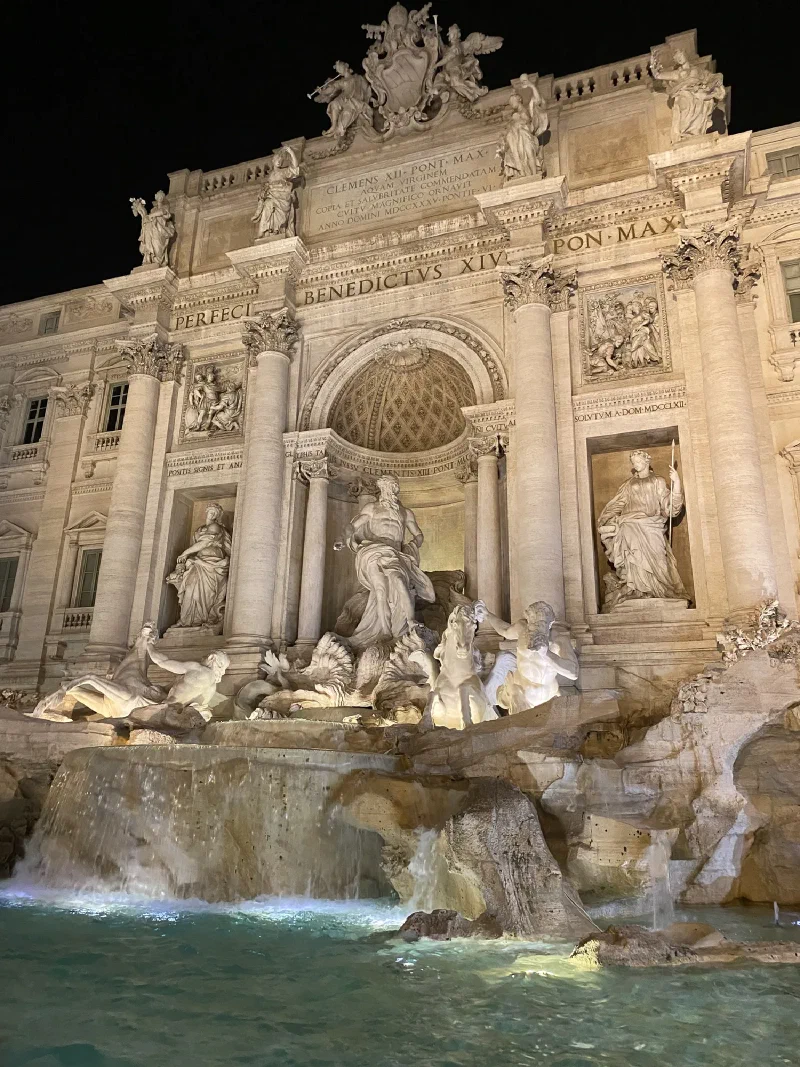
We arrived in Rome at night, which is the correct way to arrive in Rome. You stumble off the highway, navigate increasingly chaotic streets, and then suddenly the Trevi Fountain is just there, lit up like a movie set someone forgot to take down.
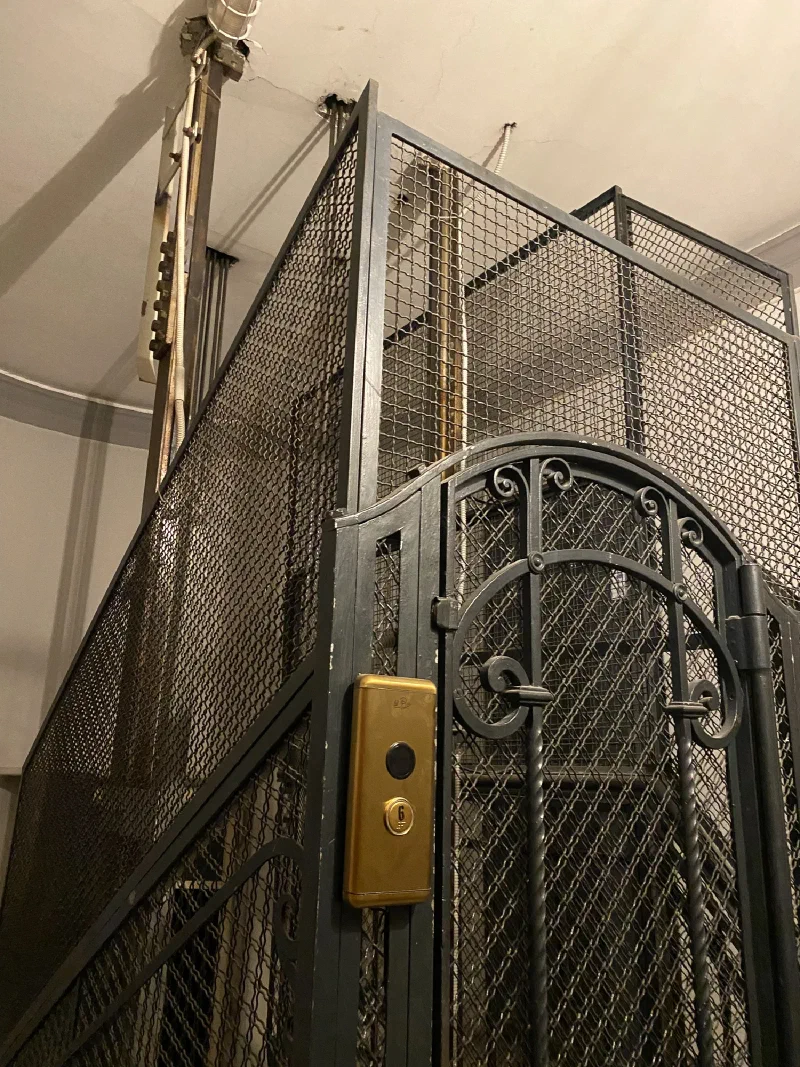
The hotel was old in the way that Rome hotels are old — stone stairs, questionable plumbing, and an elevator that was essentially a wrought-iron cage with a brass call button and a prayer.
Day 1: The Colosseum and the Vatican#
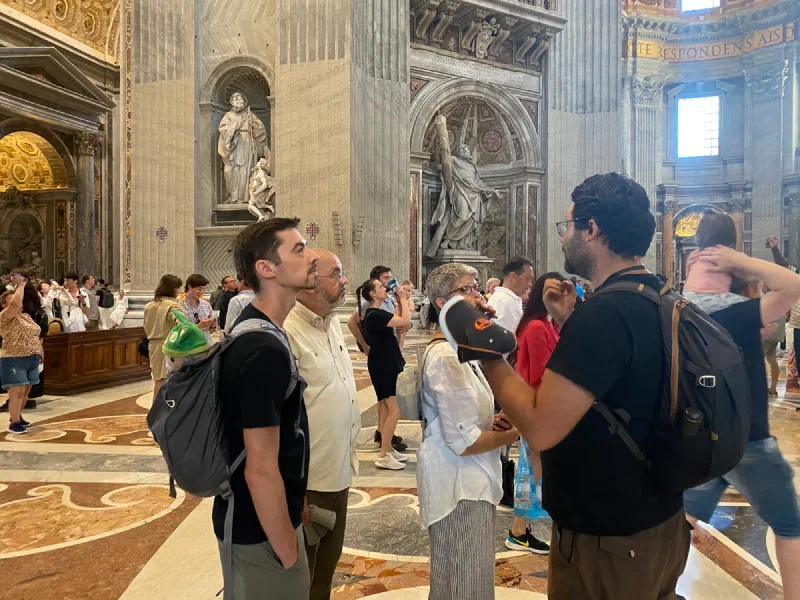
We hired a guide. Not just any guide. An actual archaeologist. The kind of person who gets excited about mortar composition and can tell you which emperor ruined what by looking at a brick. This turned out to be the best decision of the entire Italy trip.
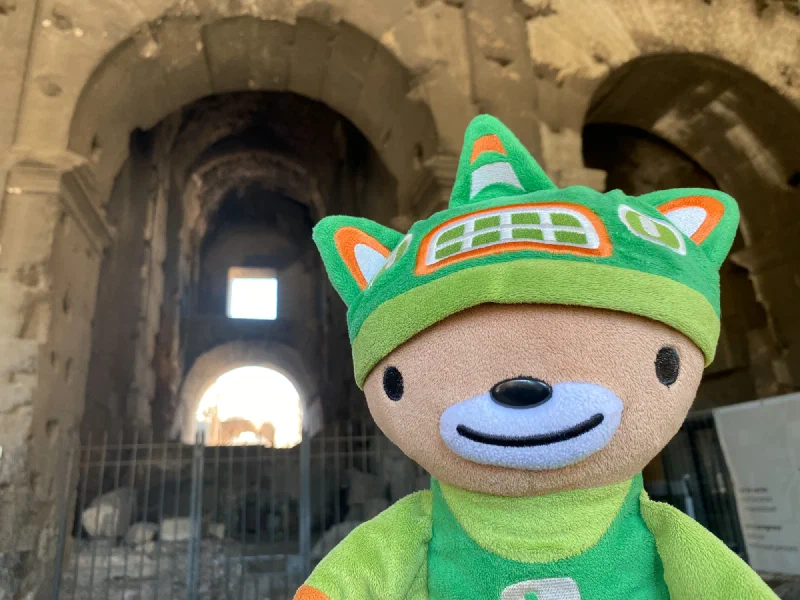
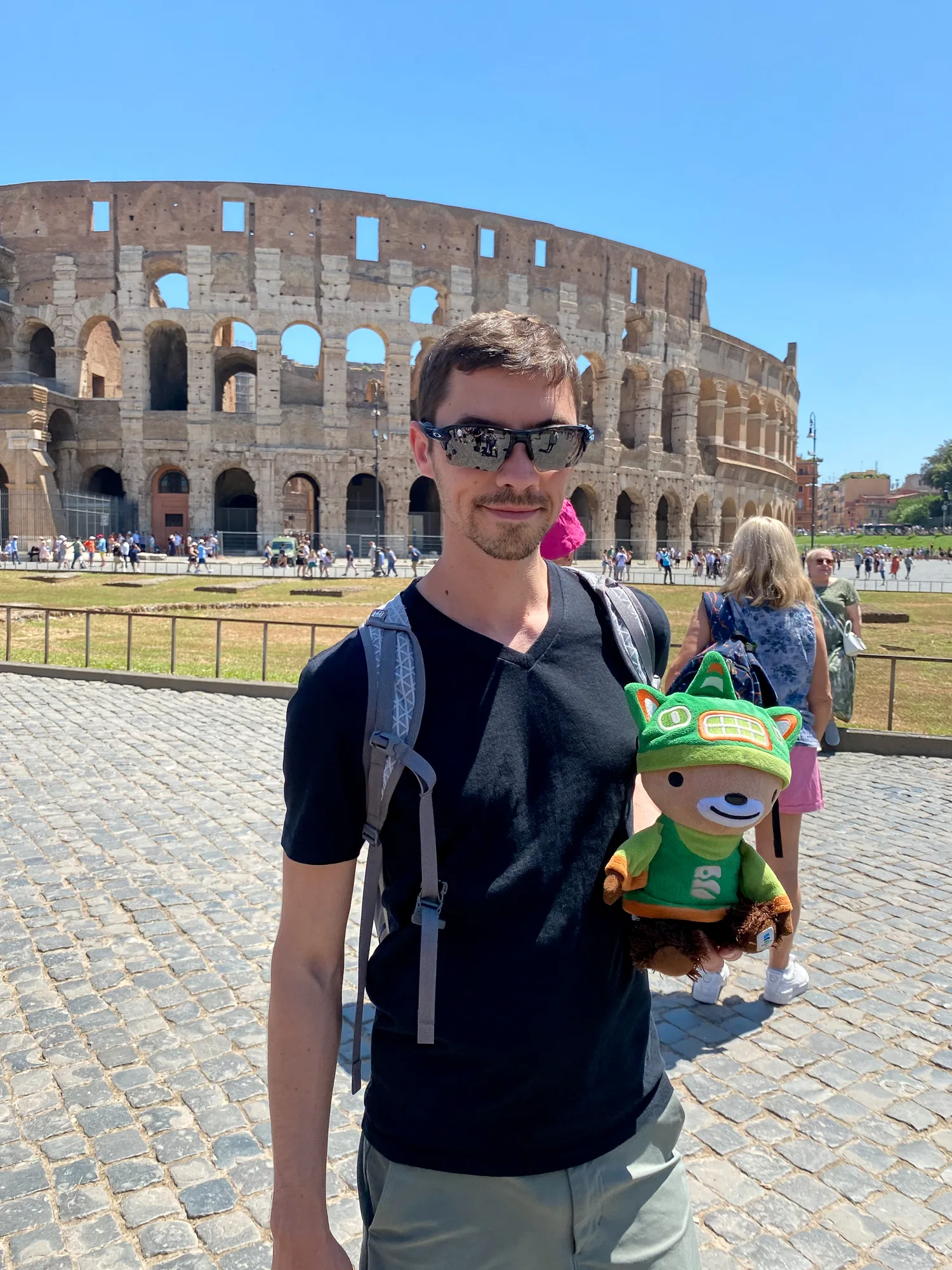
The Colosseum is one of those places where the scale doesn’t make sense until you’re standing inside it. You know it’s big from photos. You don’t know it held 50,000 people, had a retractable awning system, and could flood the arena floor for naval battles. The Romans were insane in the most impressive possible way.
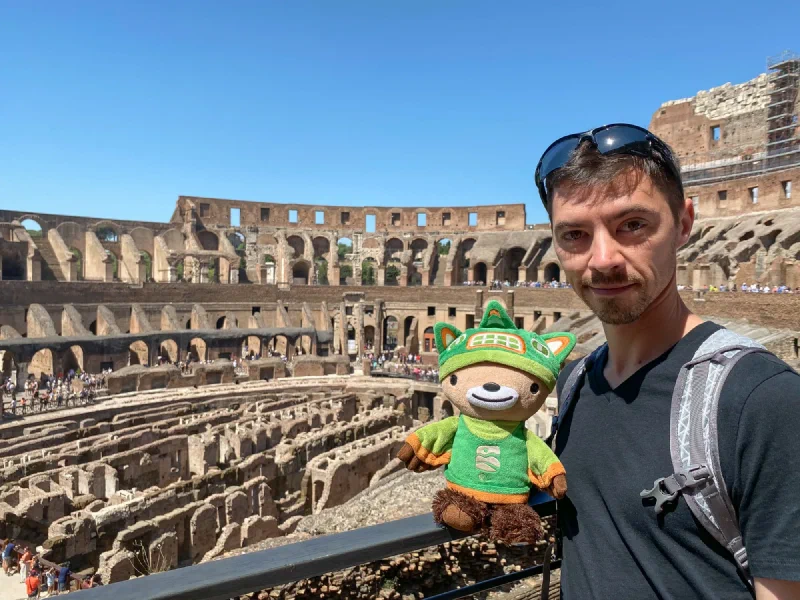
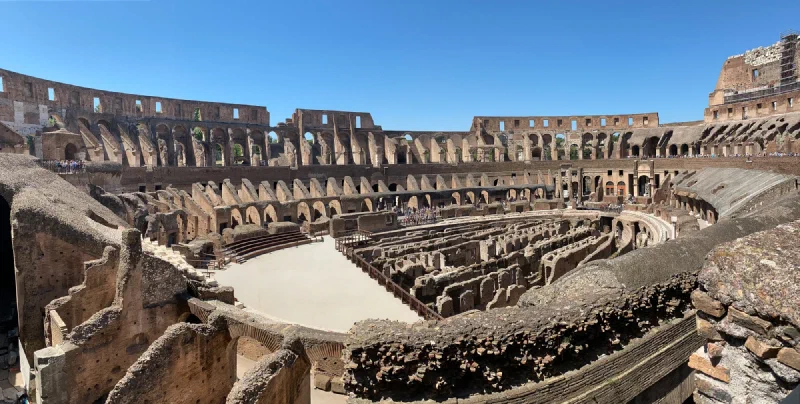
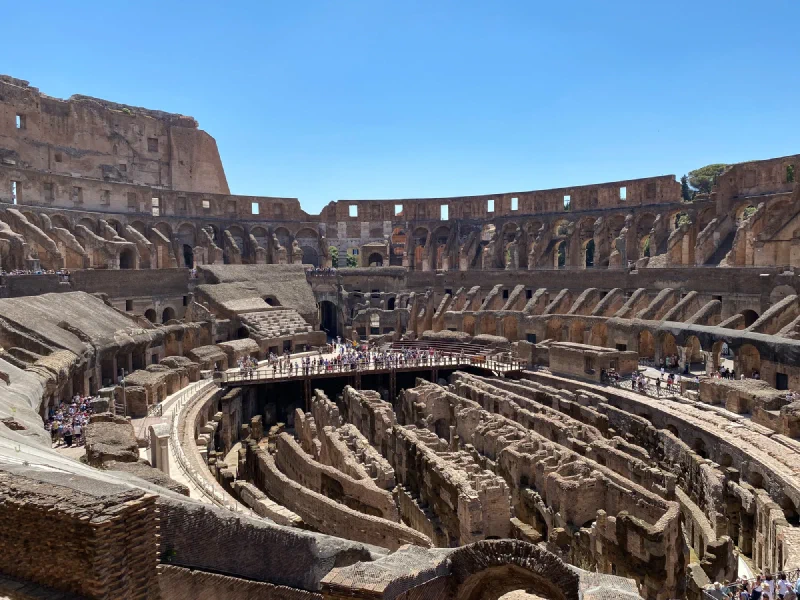
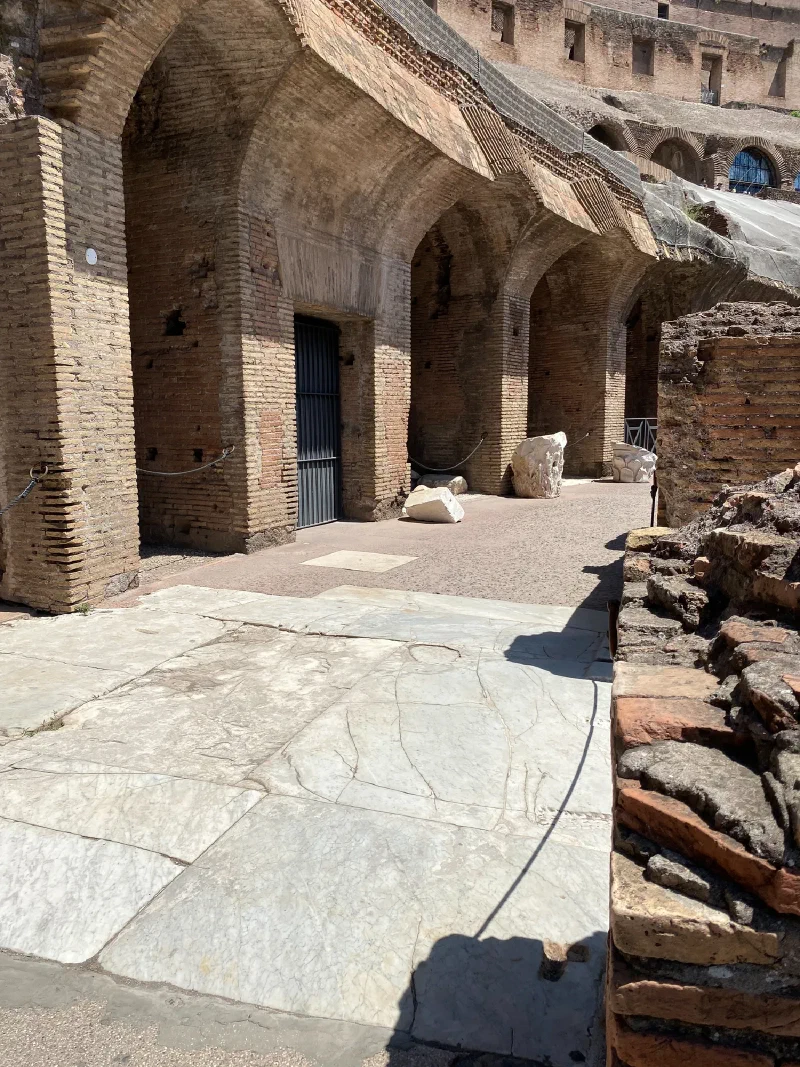
Our archaeologist guide didn’t just tell us facts. He showed us a display case containing a piece of pottery that he personally dug up. His own artifact, excavated from a site in Rome, now sitting behind glass in a museum. He pointed at it the way a parent points at a kid’s school photo. “That one. I found that one.” I’ve never seen someone so proud of a piece of broken clay.
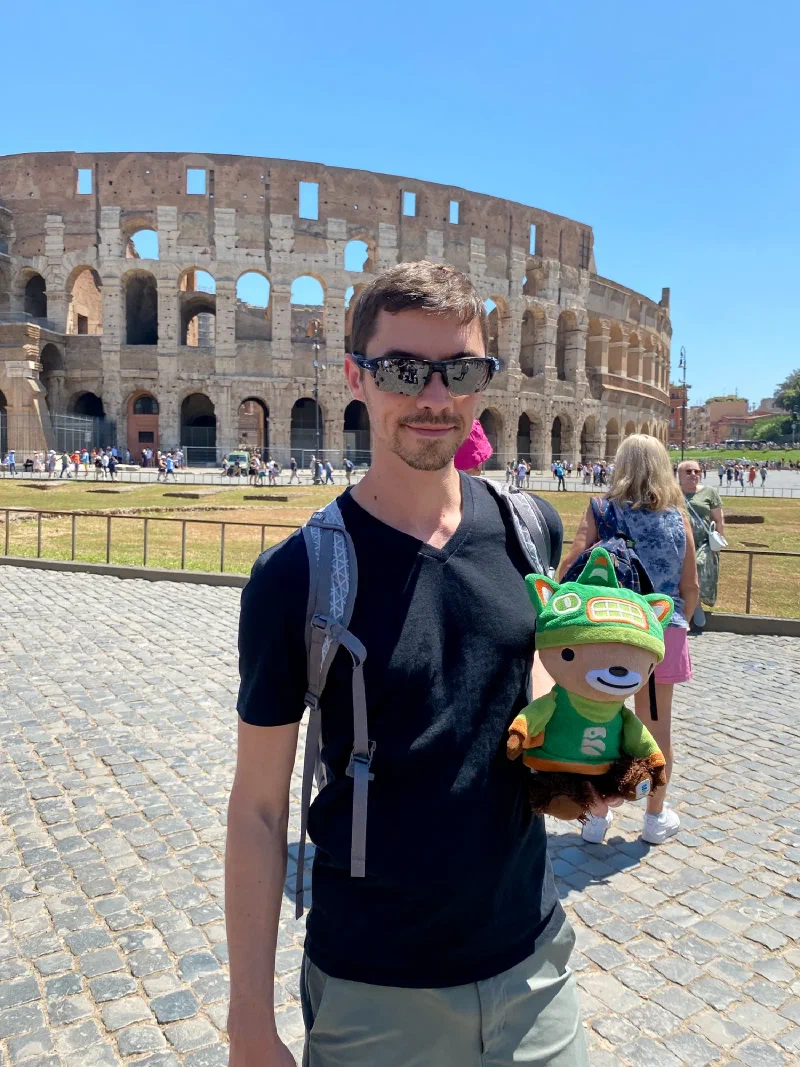
From the Colosseum we walked to the Roman Forum, which is what happens when you leave an entire civilization’s downtown abandoned for a thousand years.
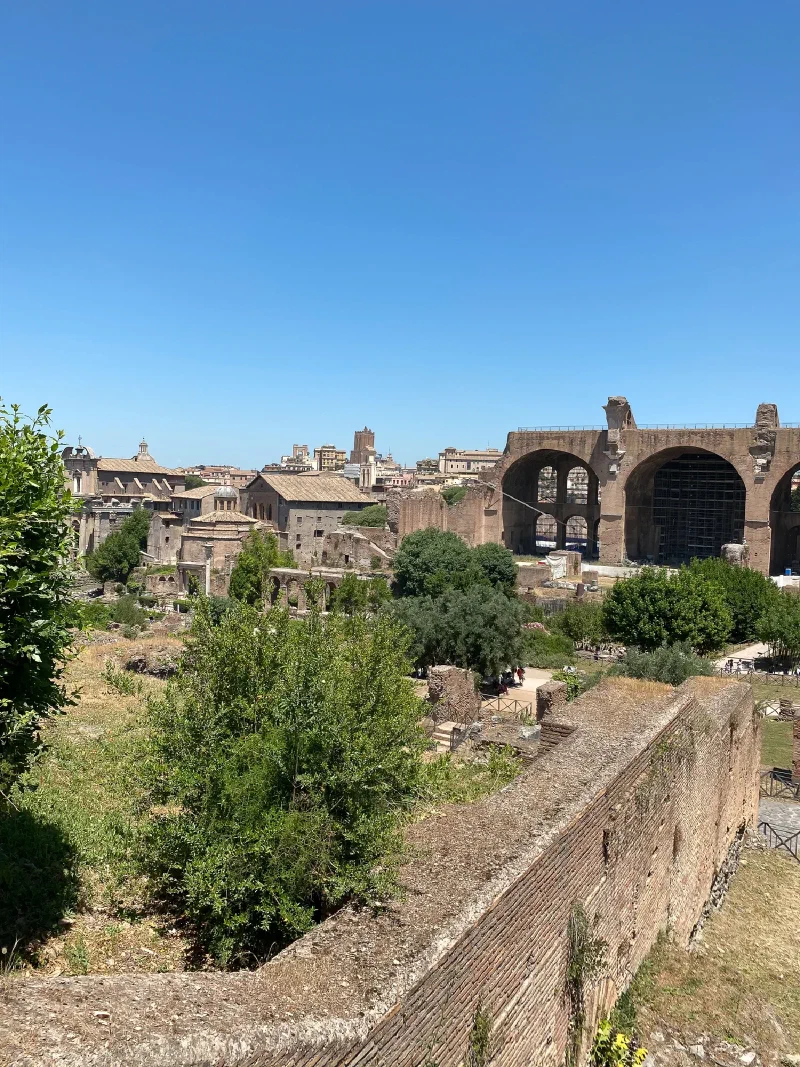
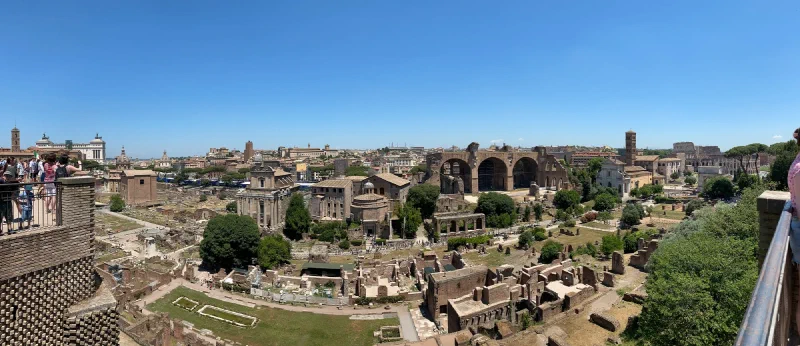
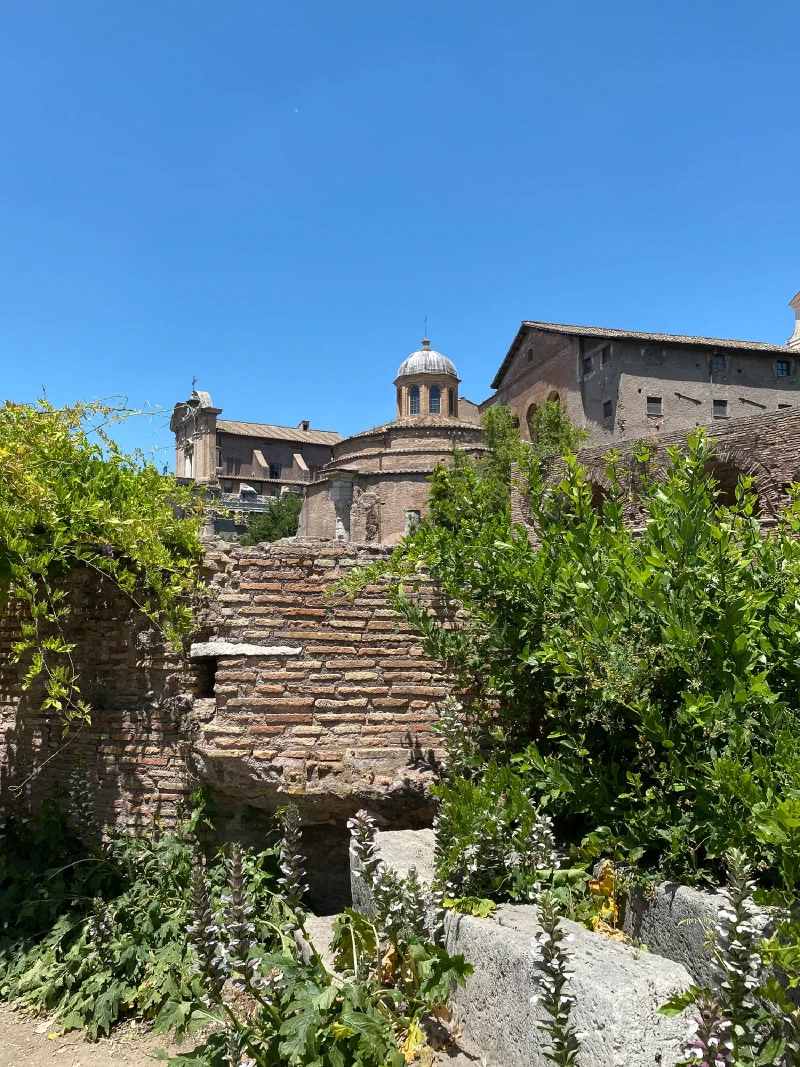
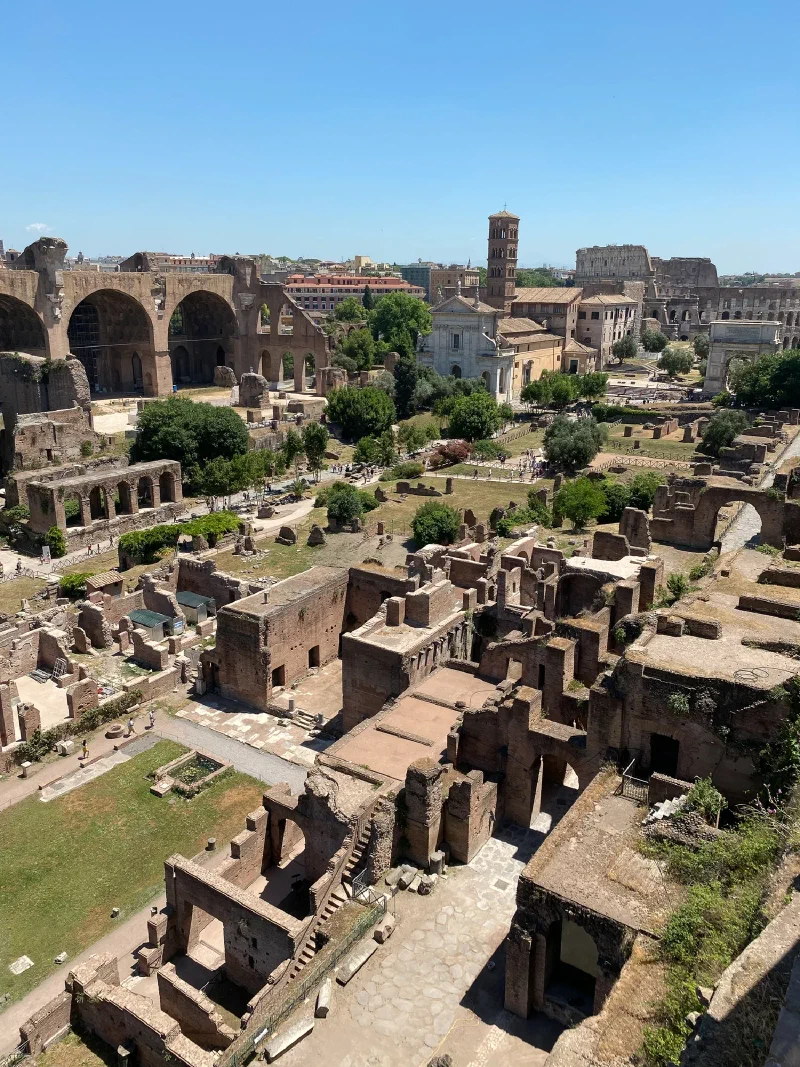
The Forum is a strange place. It’s simultaneously the most historically significant few acres in Western civilization and also just… a field of broken columns with cats sleeping on them. Temples, courthouses, marketplaces, everything that made Rome Rome was here, and now it’s a park with informational signs.
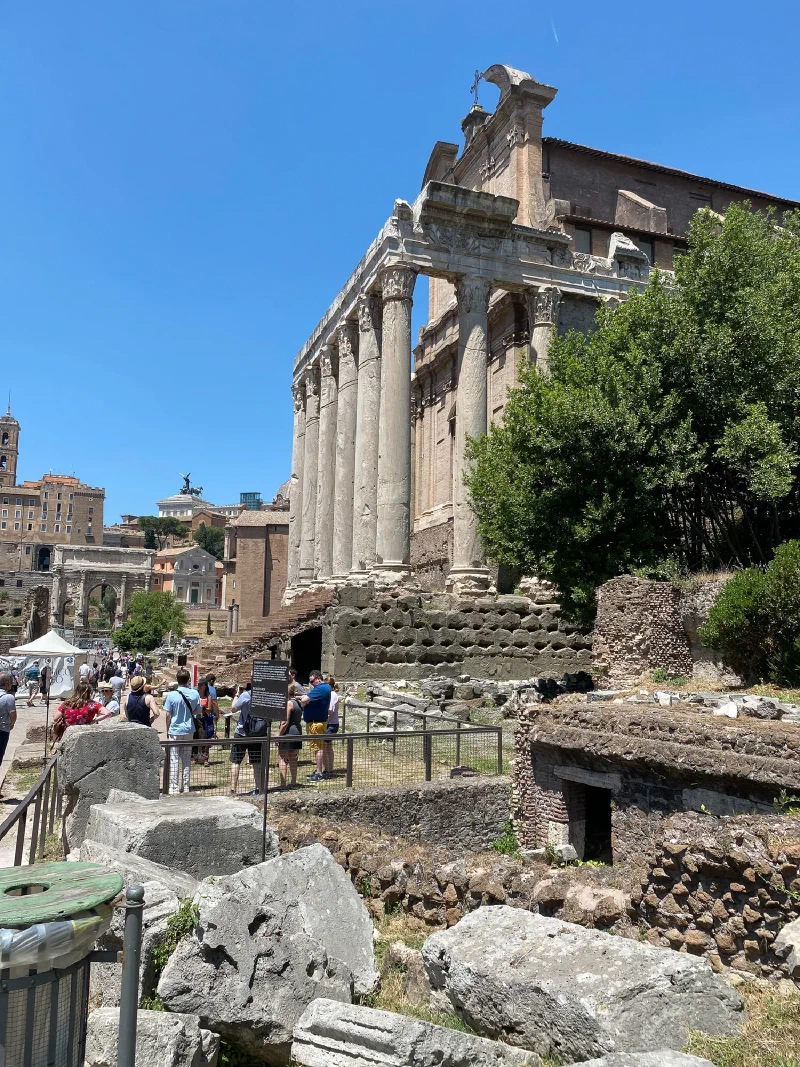
Up on Palatine Hill, the view opens up and you can see the whole thing laid out — the Forum below, the Colosseum in the distance, the city spreading in every direction.
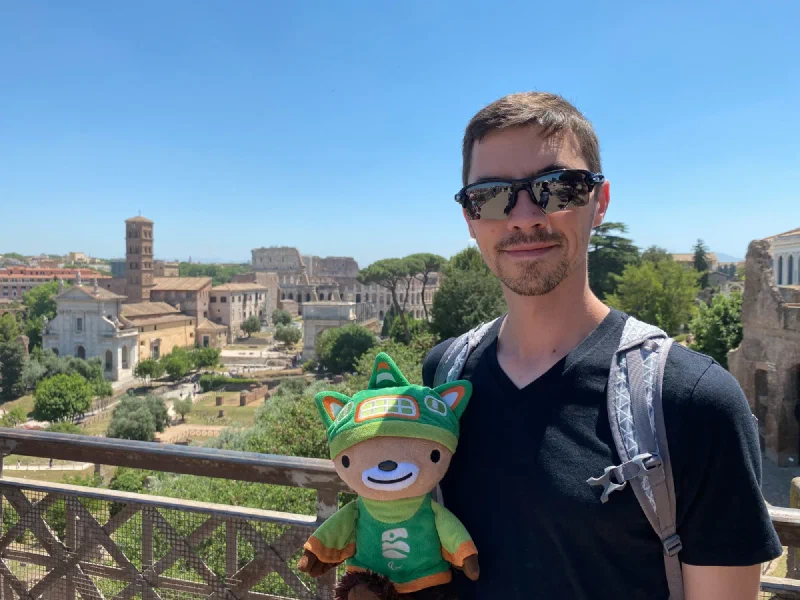
After the ancient half of Rome, we did the Vatican half. It was hot. It was humid. Pokin was cranky because it was hot and humid. We went anyway.
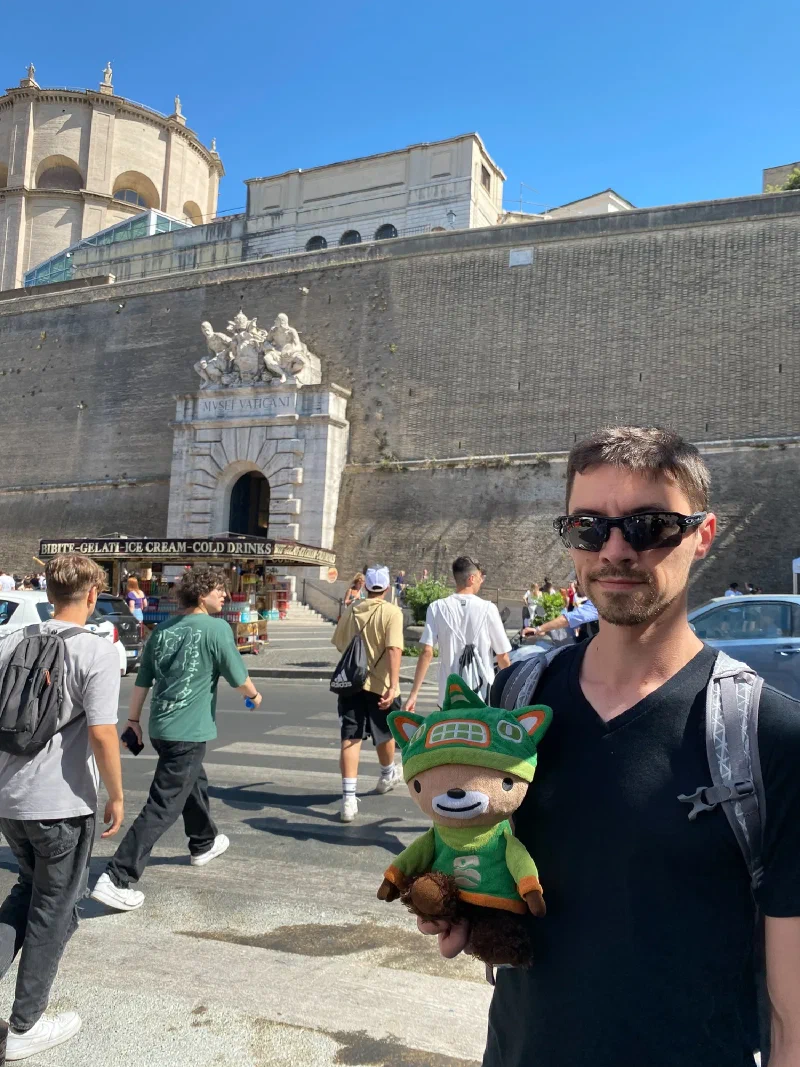
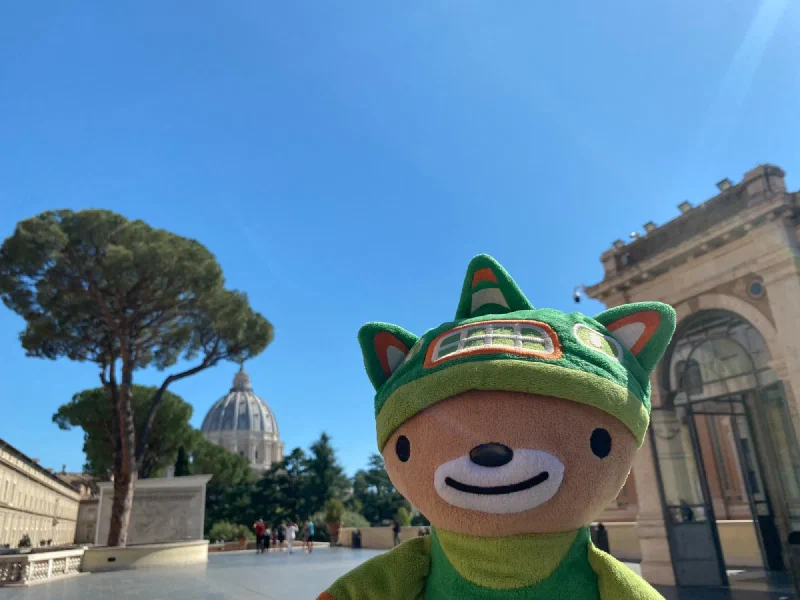
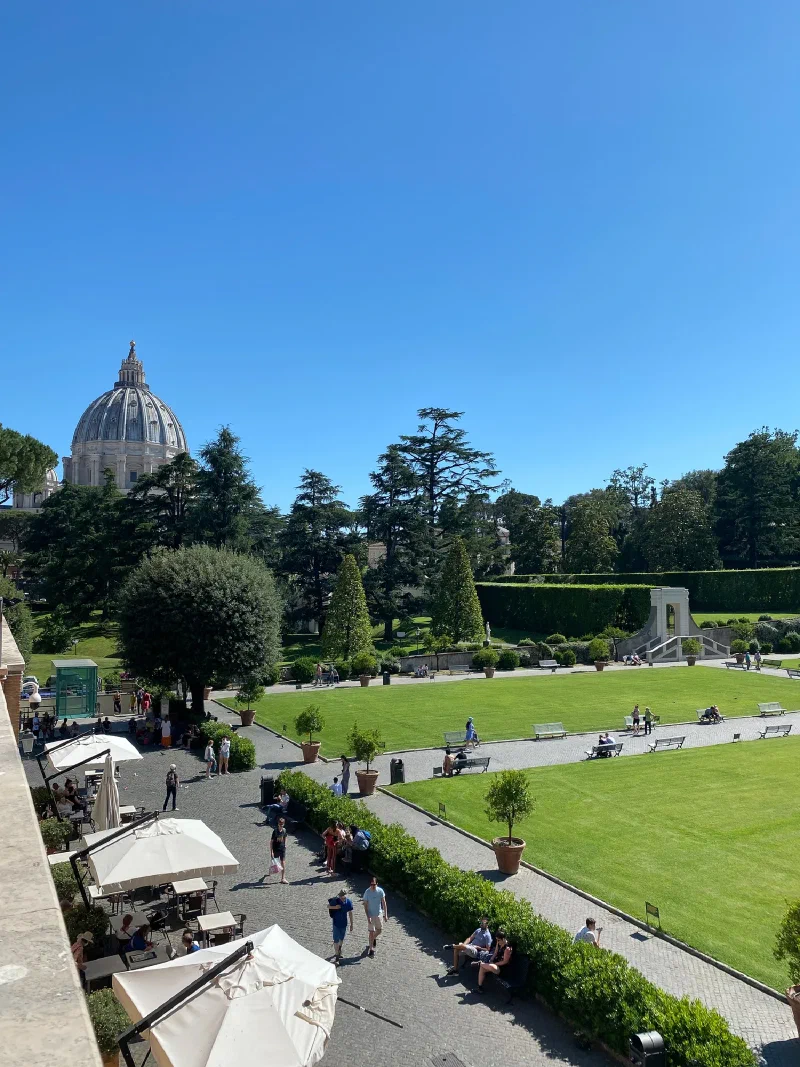
The Vatican Museums are overwhelming in the way that only a 2,000-year-old institution with unlimited acquisition budget can be. Every hallway has more art than most countries’ national museums. You walk past things that would be the centerpiece of any gallery on earth and they’re just… on a wall. In a corridor. Next to a fire extinguisher.
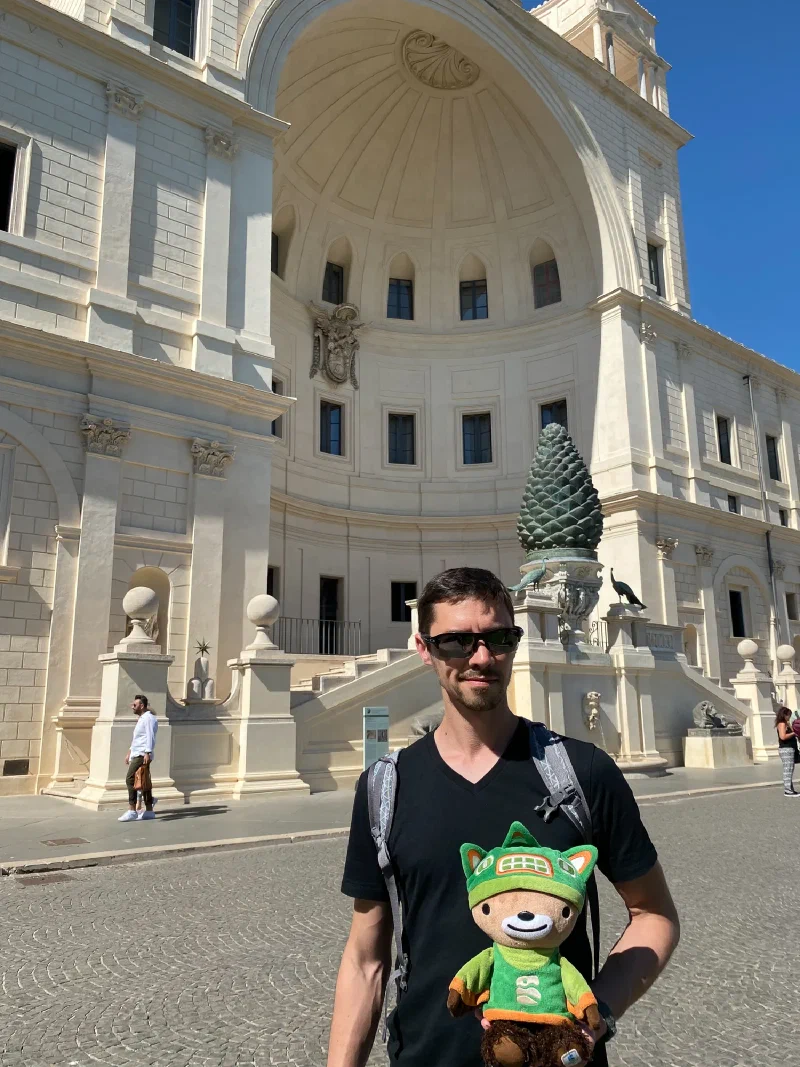
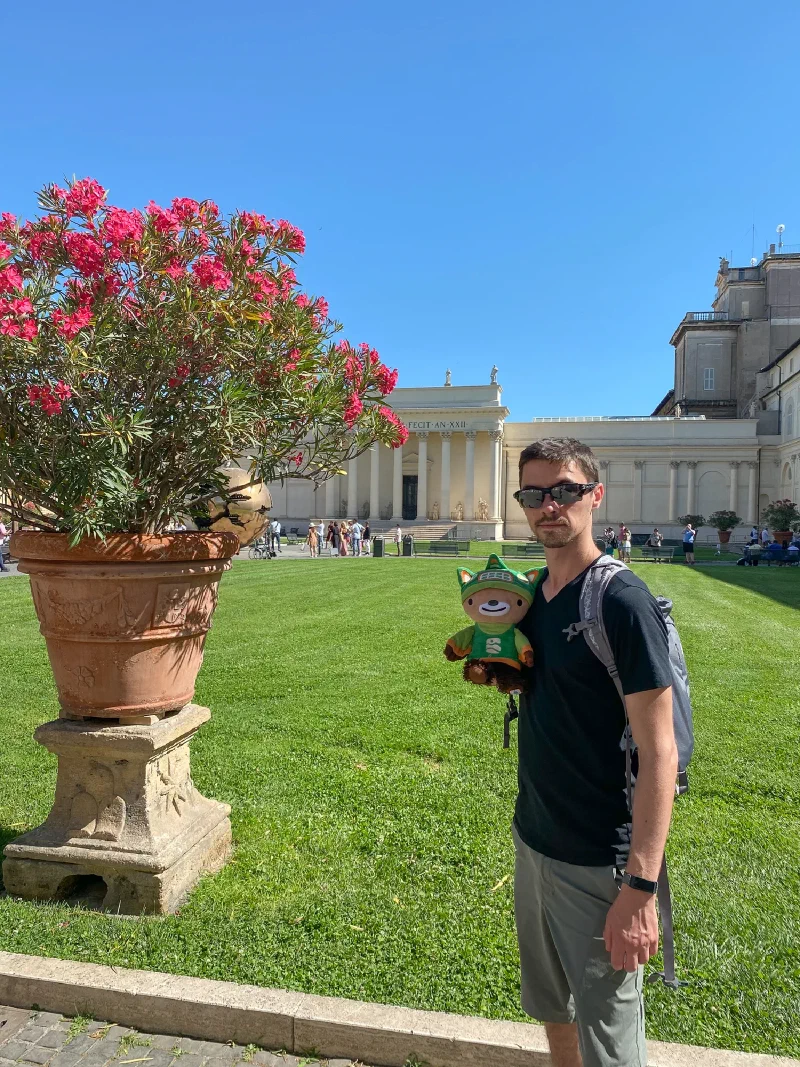
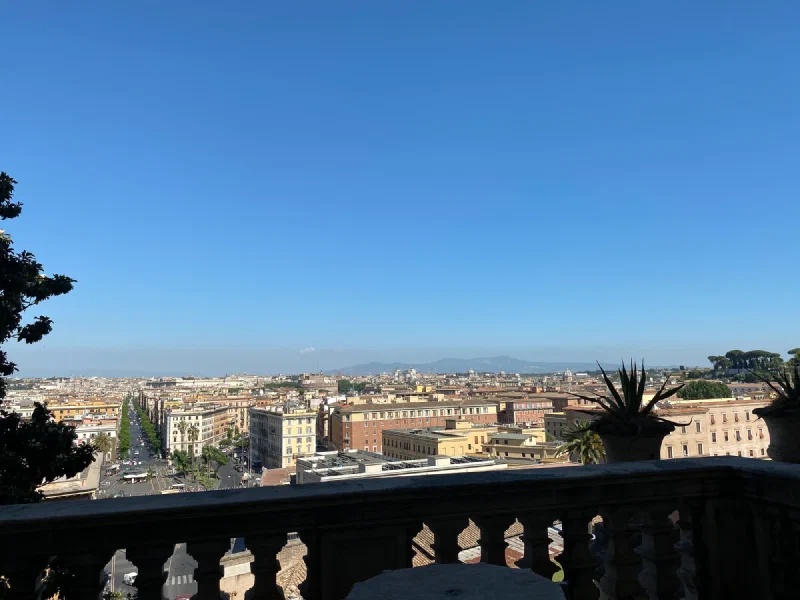
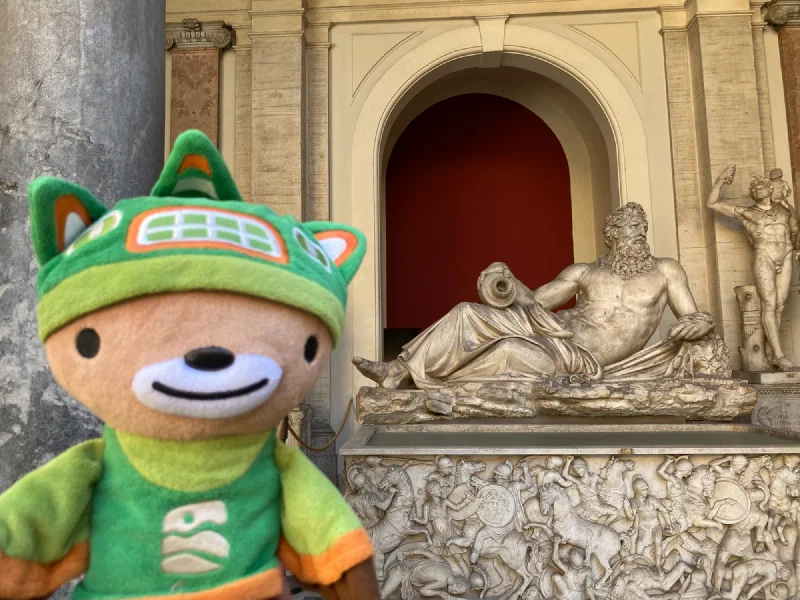
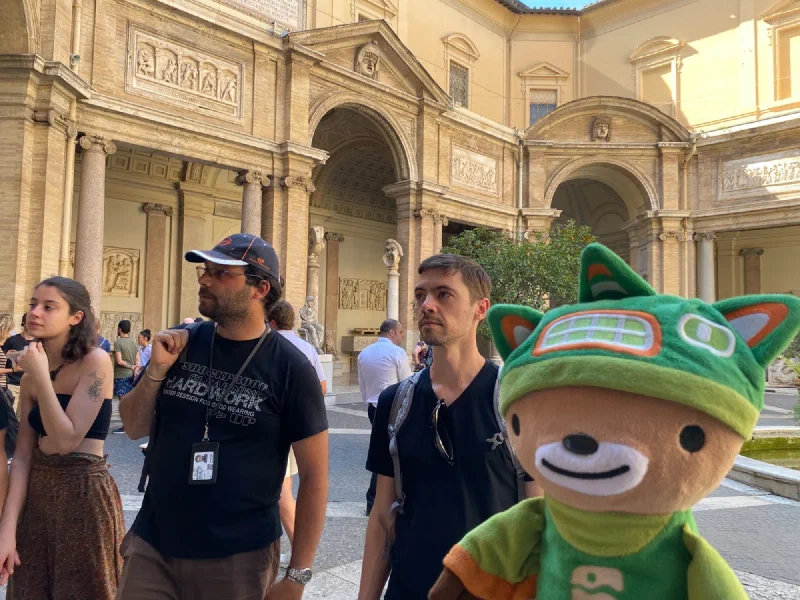
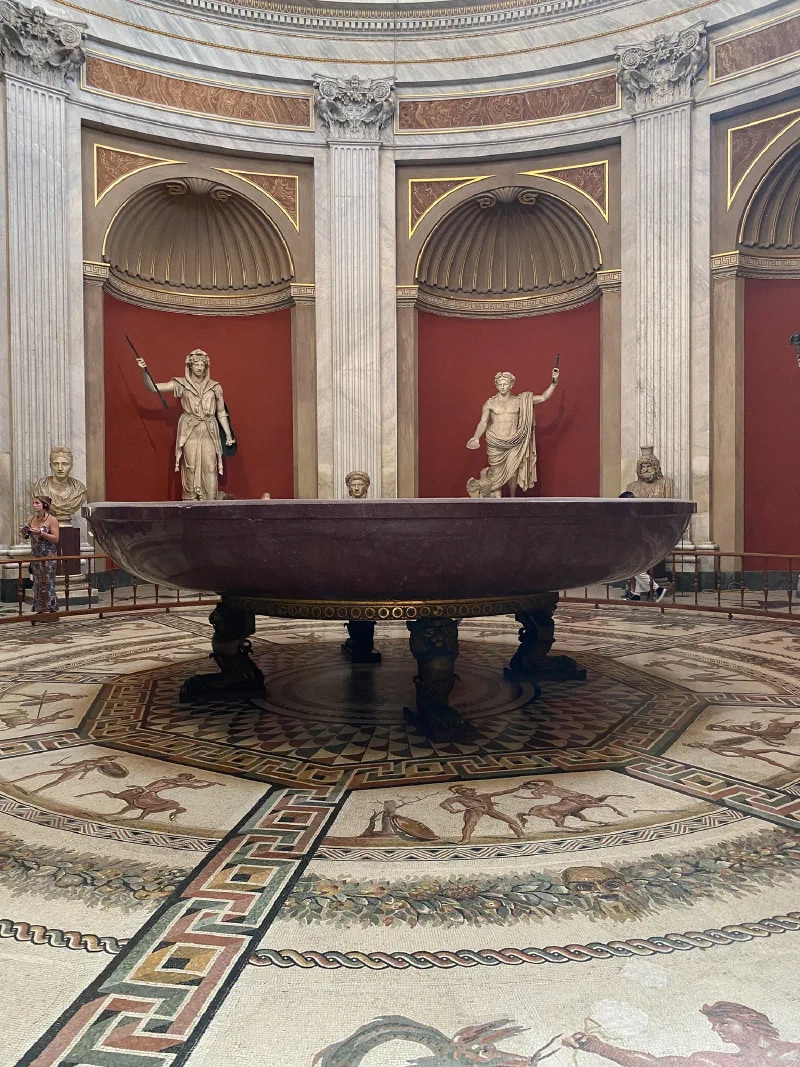
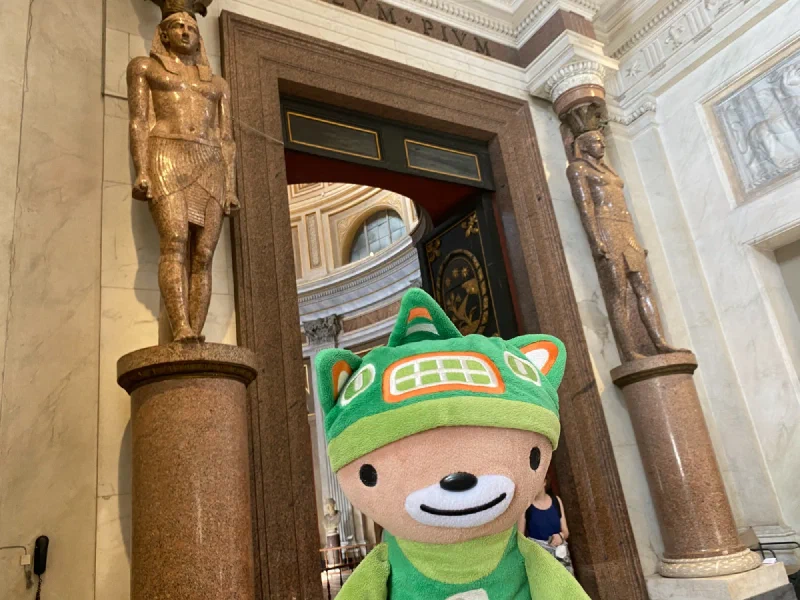
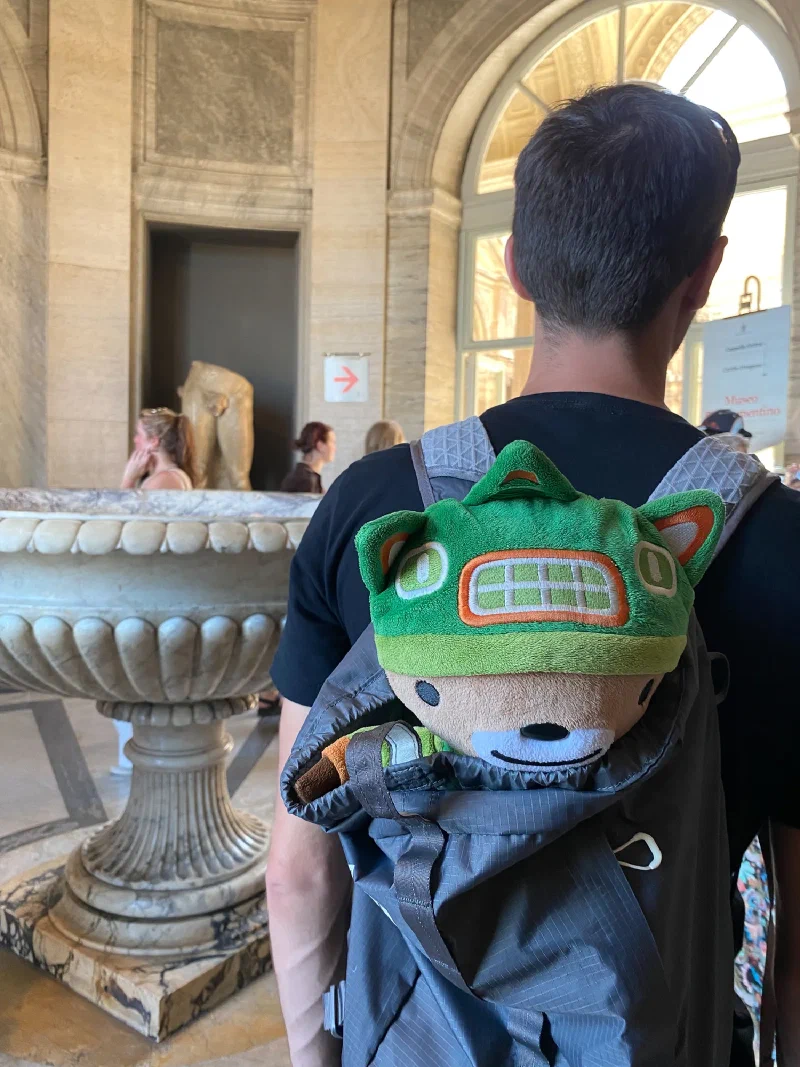
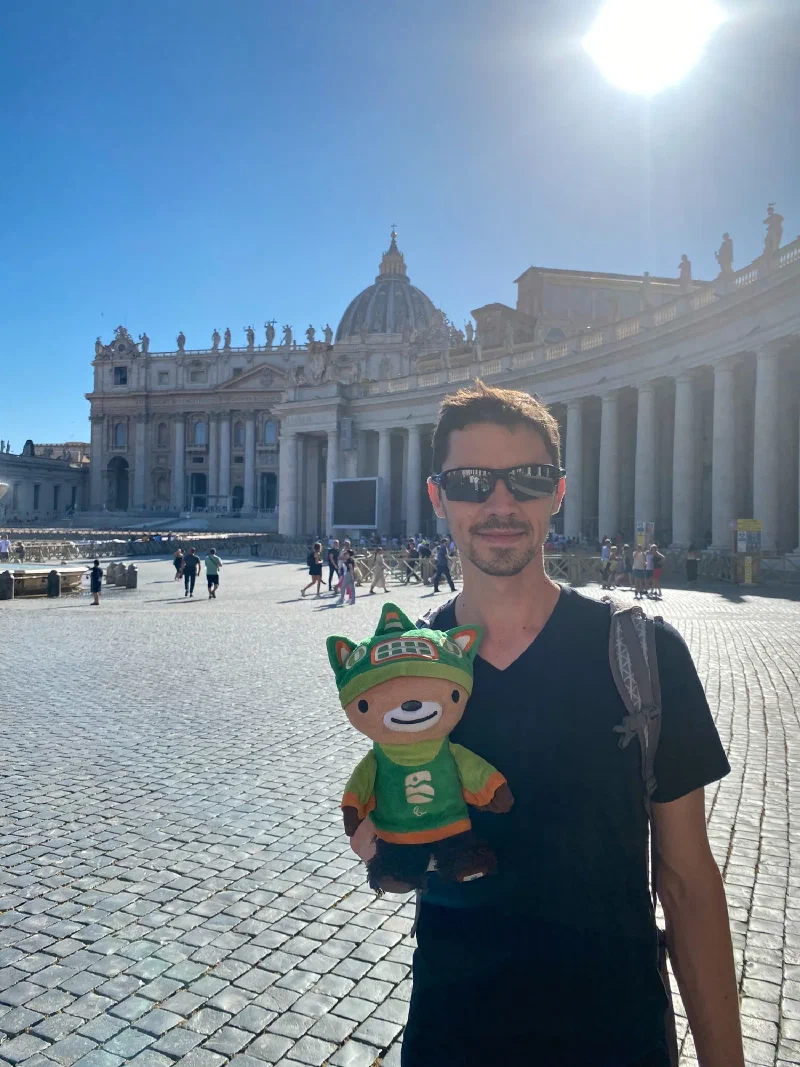
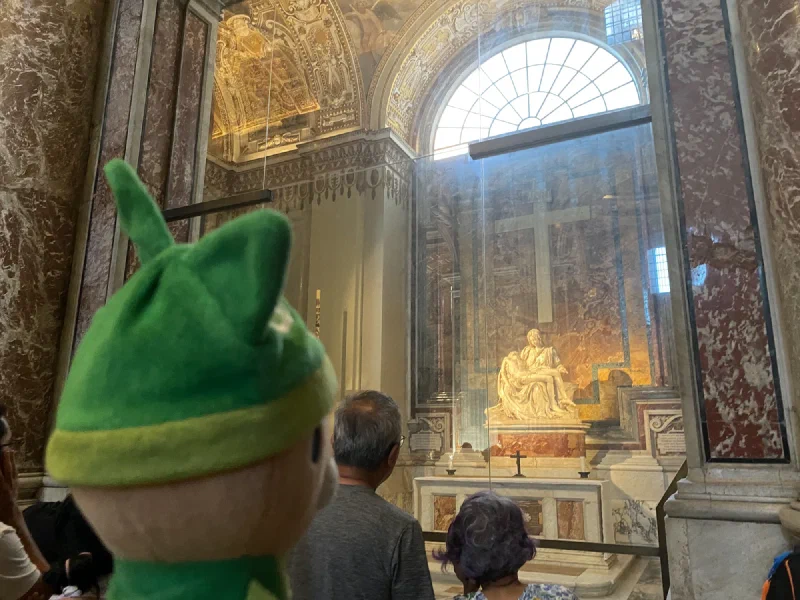
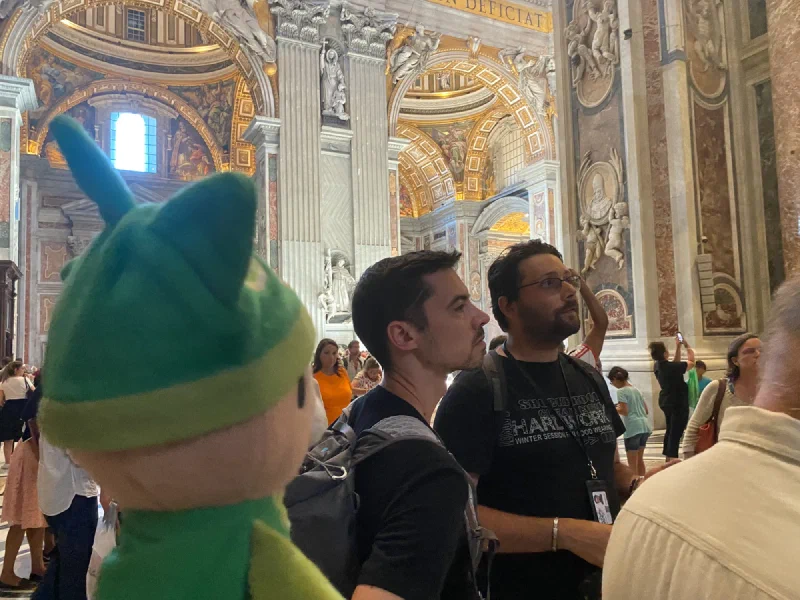
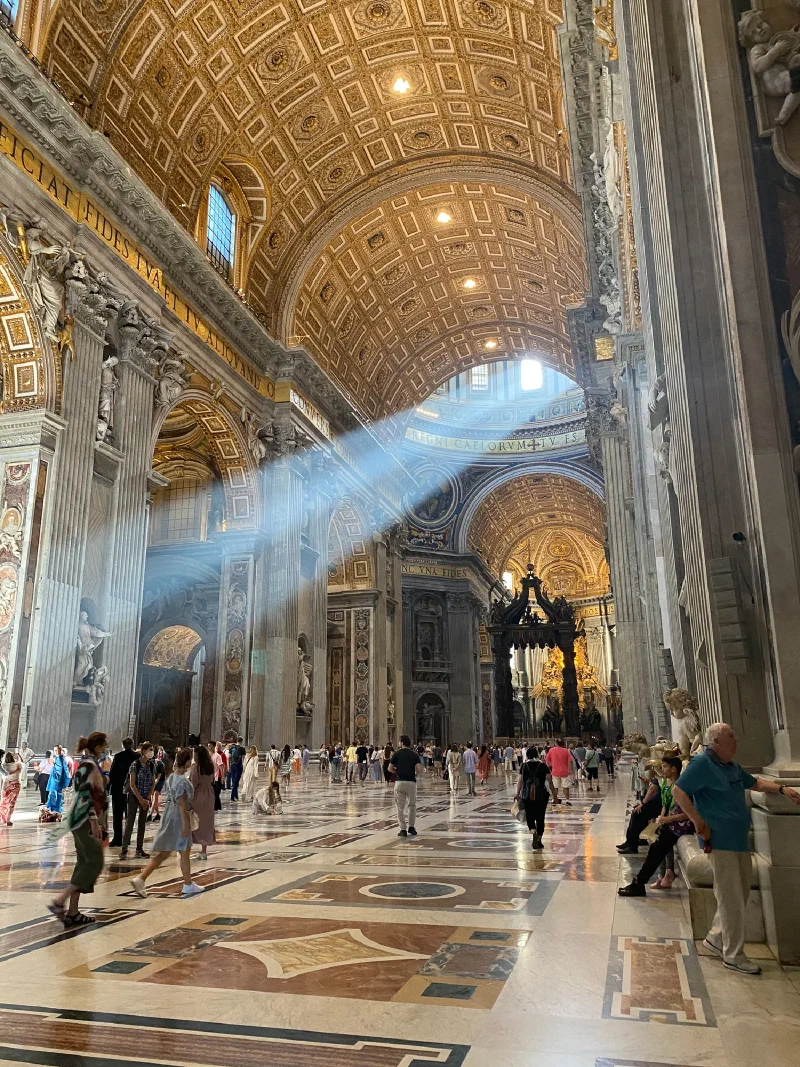
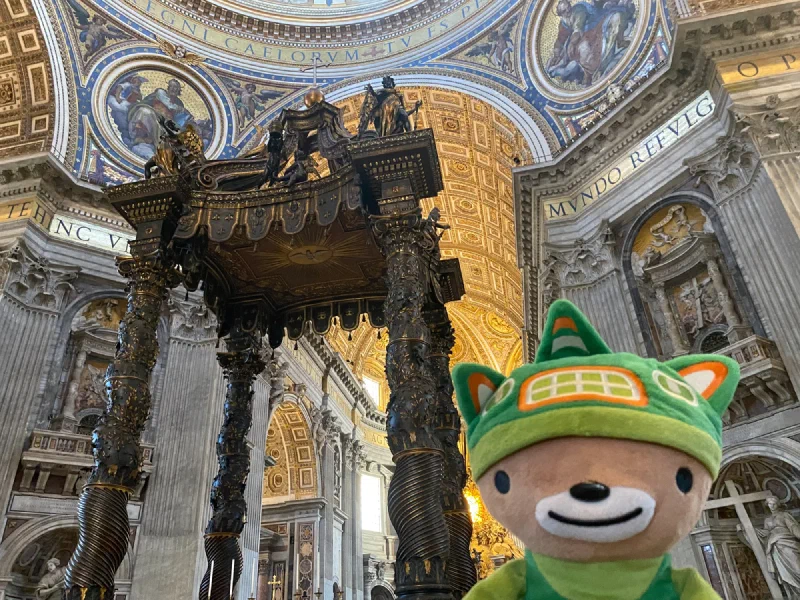
From the Museums we went straight to St. Peter’s Basilica. If the Vatican Museums are “a lot,” St. Peter’s is “too much, deliberately.”
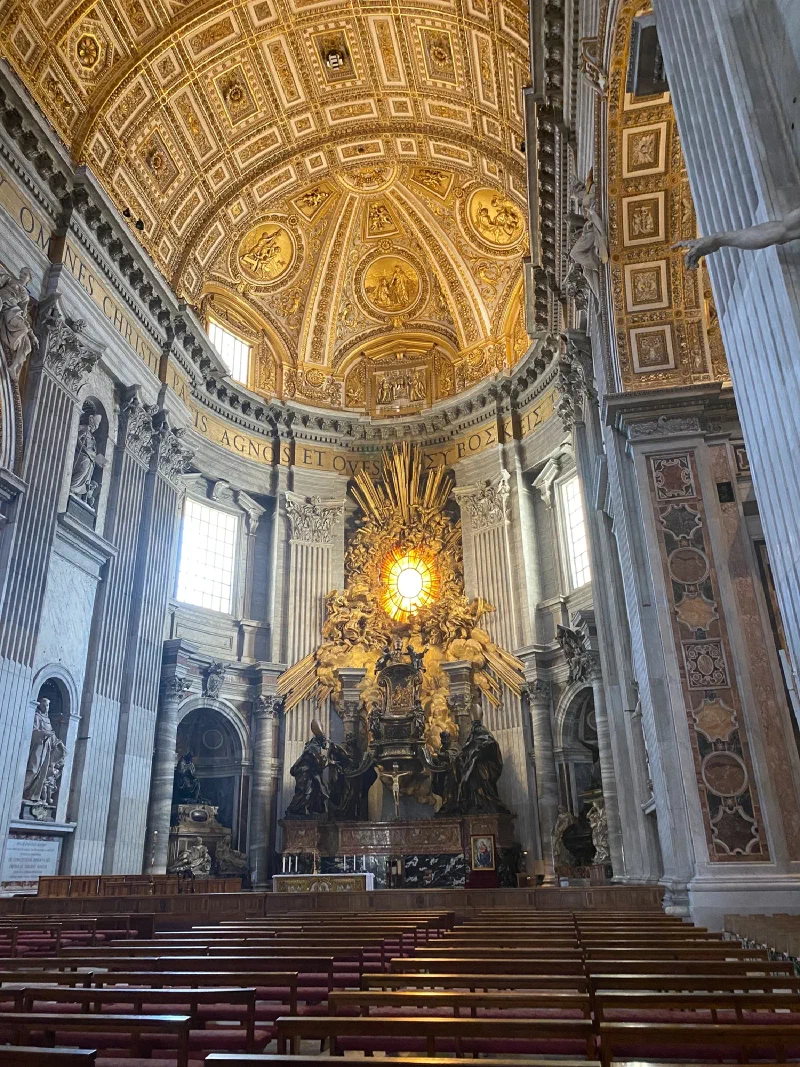
After all that history and religion, we needed drinks.
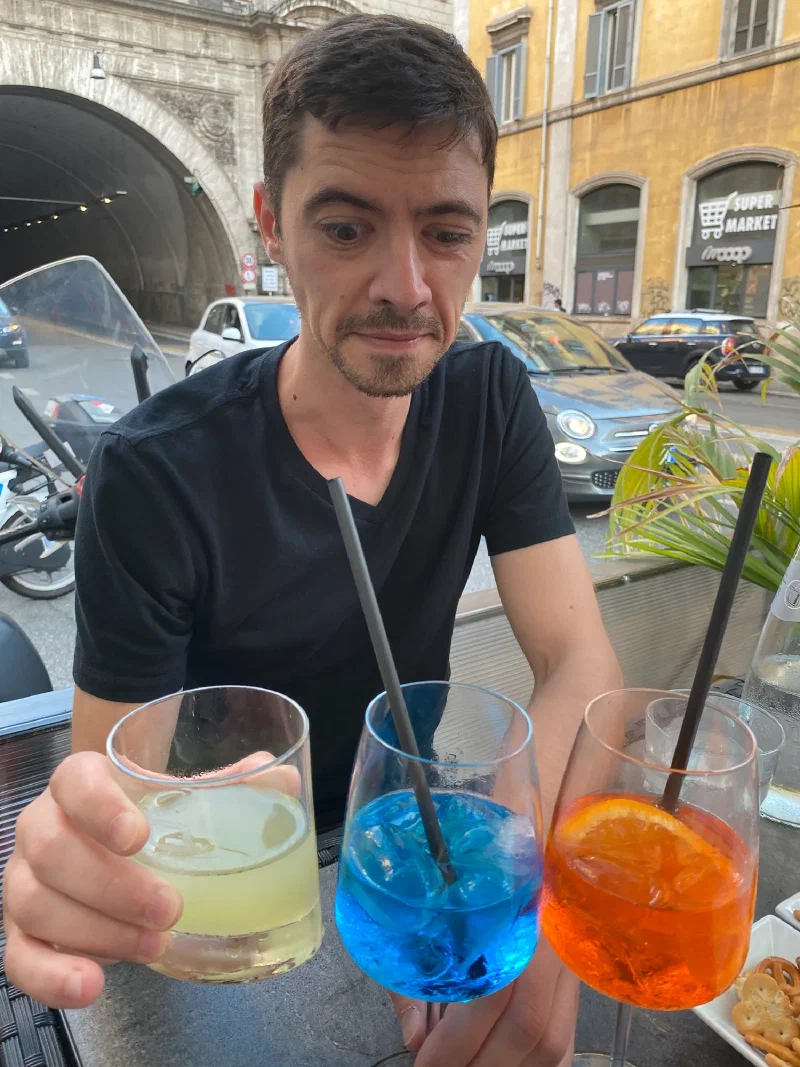
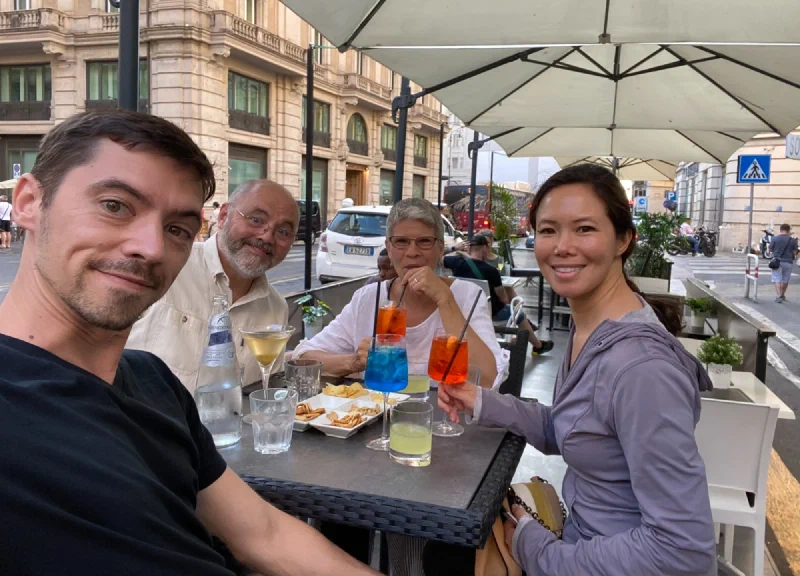
Jane and Pokin had discovered Aperol spritz somewhere around day three of Italy and hadn’t stopped ordering them since. The blue one was somebody’s idea of adventure. The limoncello was mine by default because it was the closest thing to a dessert drink available.
Day 2: The Rest of Rome#
The next morning we did what you do on your second day in Rome. You walk.
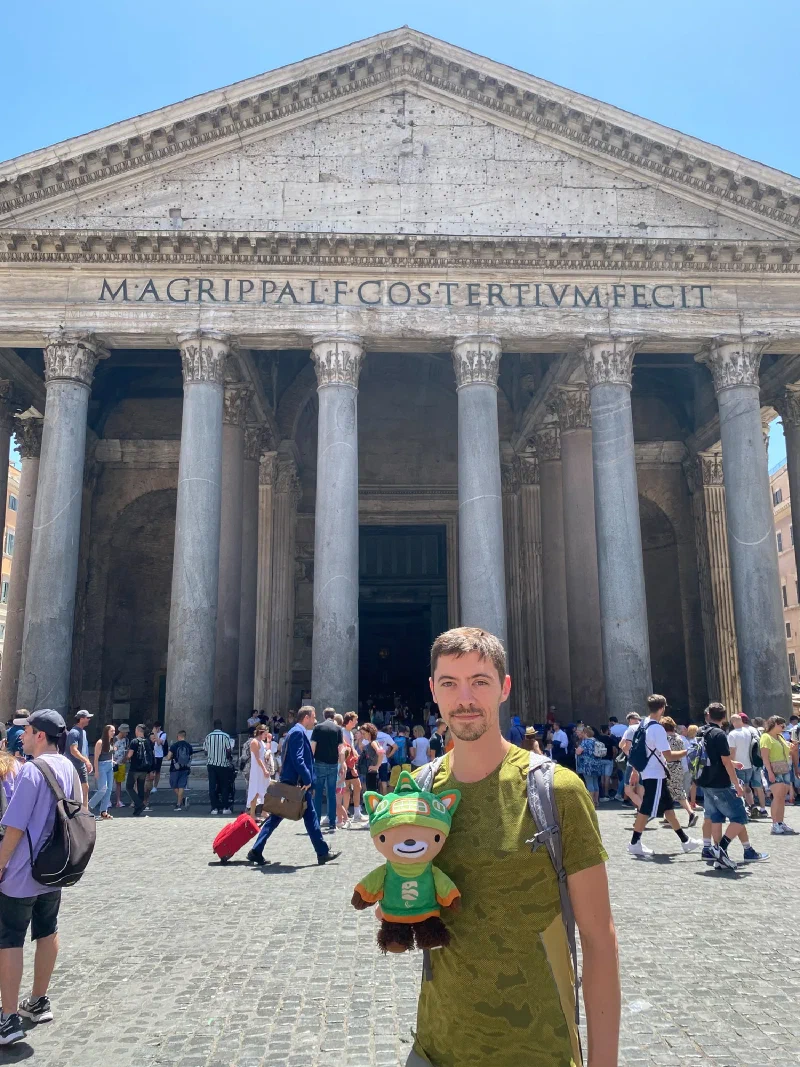
The Pantheon makes you feel small in a way that’s different from the Colosseum or St. Peter’s. Those places are big because they wanted to impress you. The Pantheon is big because someone solved a structural engineering problem that wouldn’t be solved again for over a thousand years, and they did it with concrete.
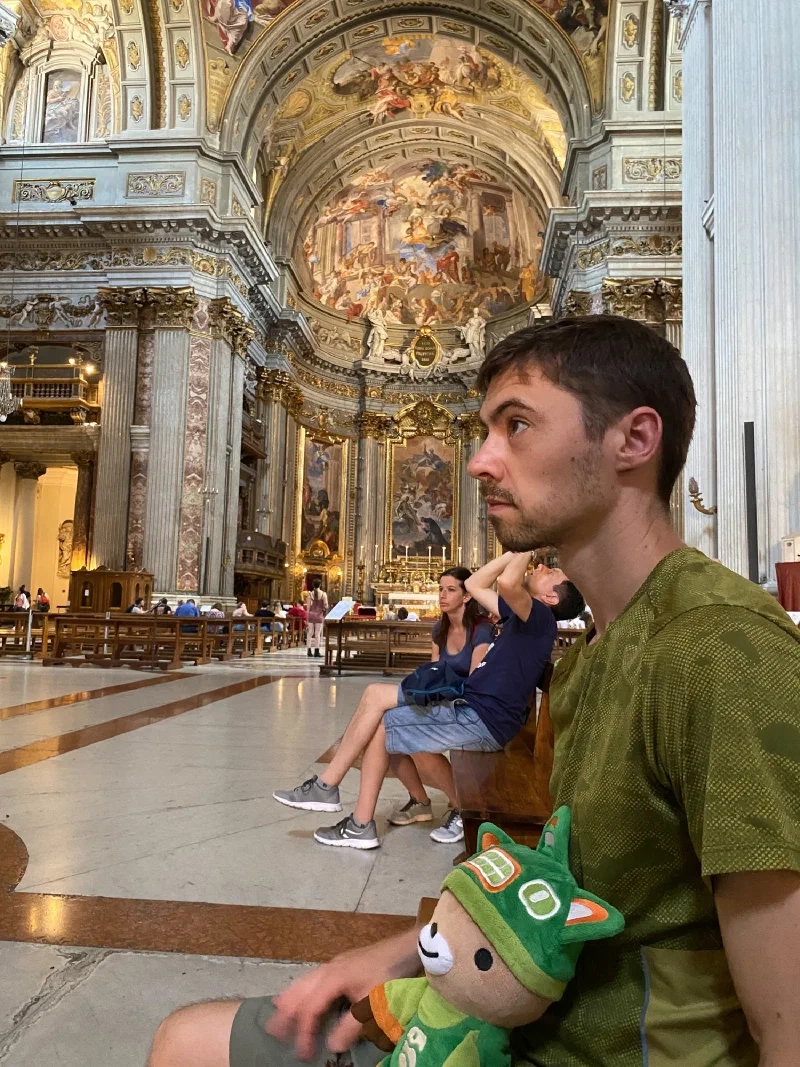
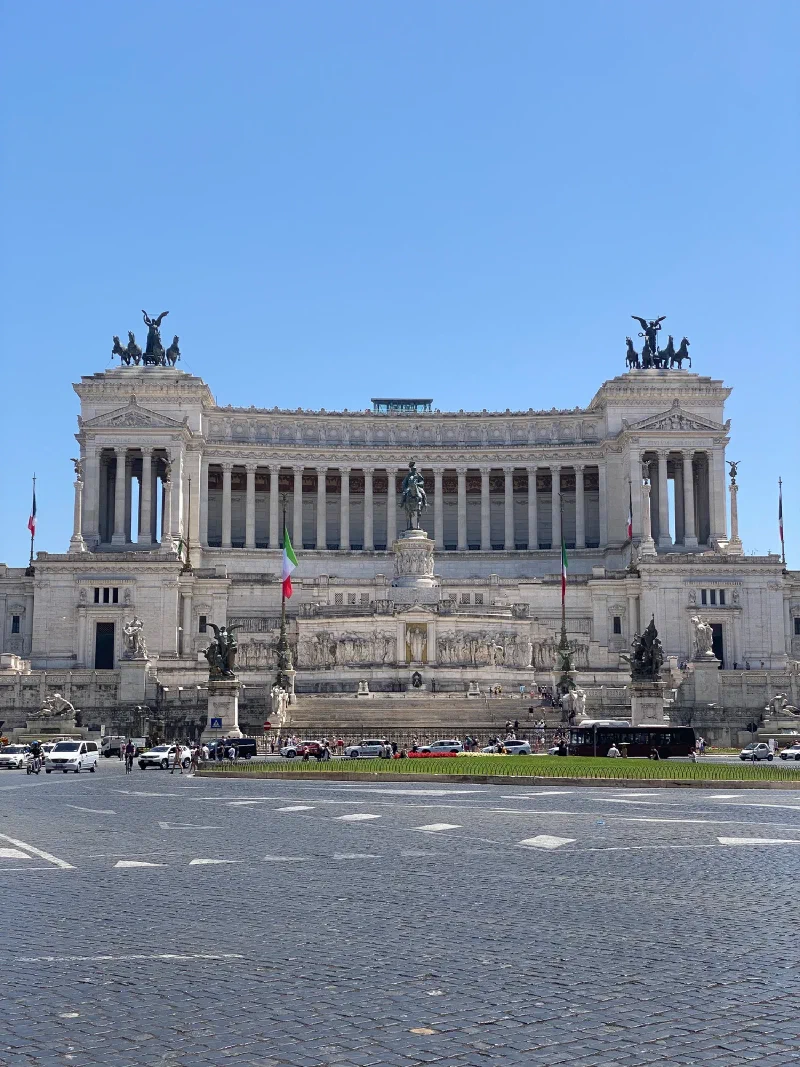
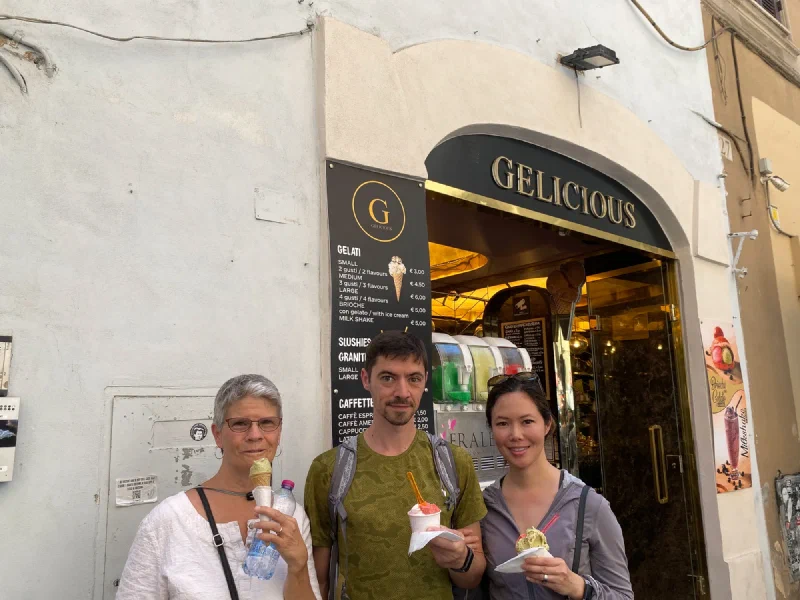
We ended Rome the way we ended every Italian city.
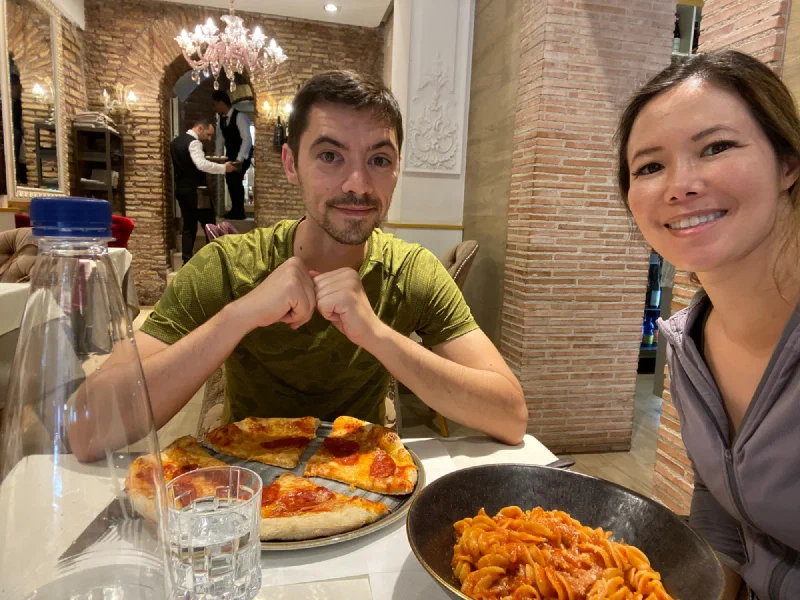
Rome is exhausting, overstimulating, too hot, too crowded, and completely worth it. Two days is not enough. Two weeks probably isn’t either. But we had pizza, we saw an archaeologist point at his own pottery, and Pokin got her spritzes. Not bad at all.