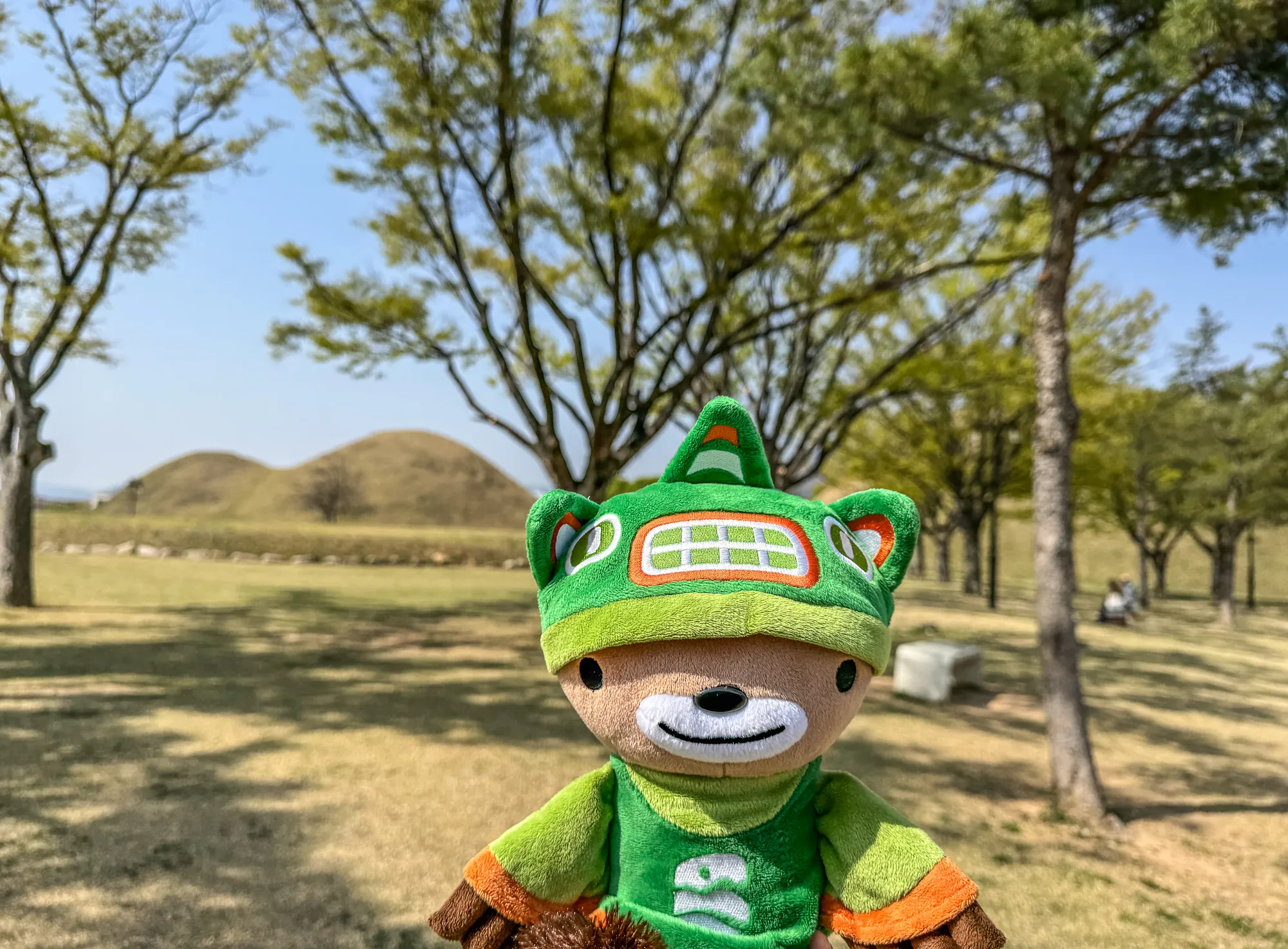

Korea has been through a lot of wars. Seoul was nearly flattened during the Korean War. Most of the country’s wooden palaces and temples have been lost to fire, neglect, or conflict over the centuries. Gyeongju is the exception. Not because everything survived, but because the things that are hardest to destroy did: the stone monuments, the earthworks, the ancient city layout, the burial mounds. The old capital of the Silla dynasty kept its bones when everywhere else lost theirs.
So naturally, we took the train down to see it.
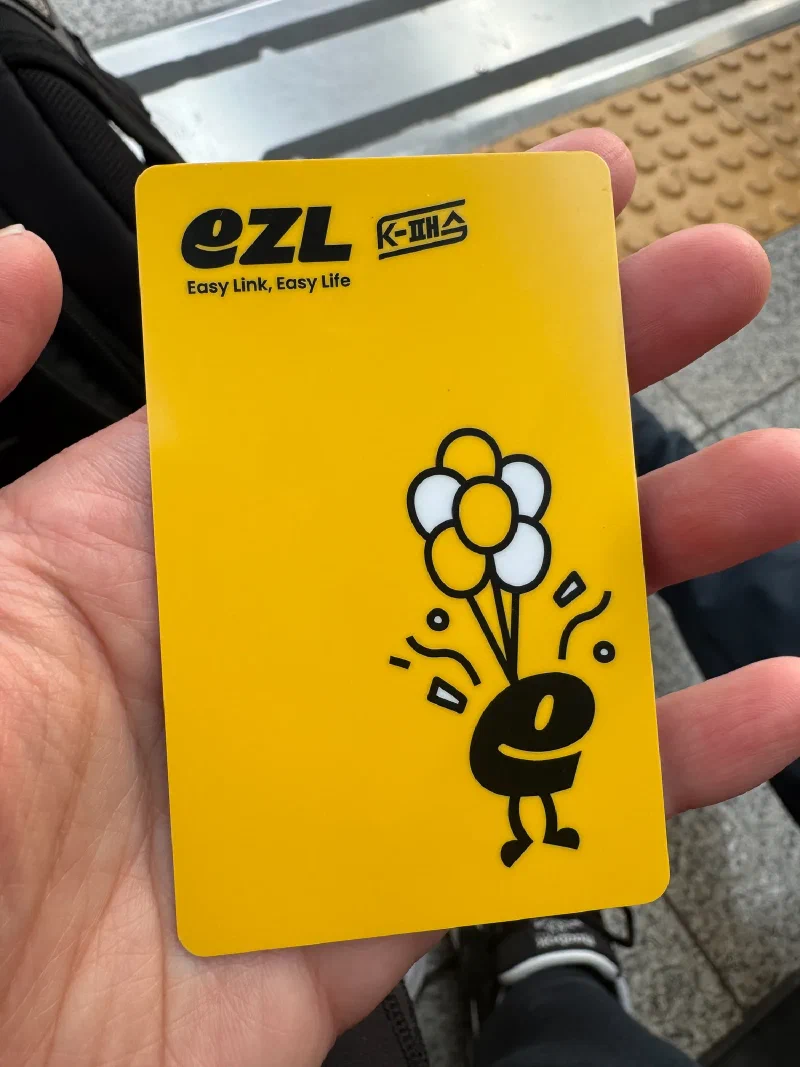
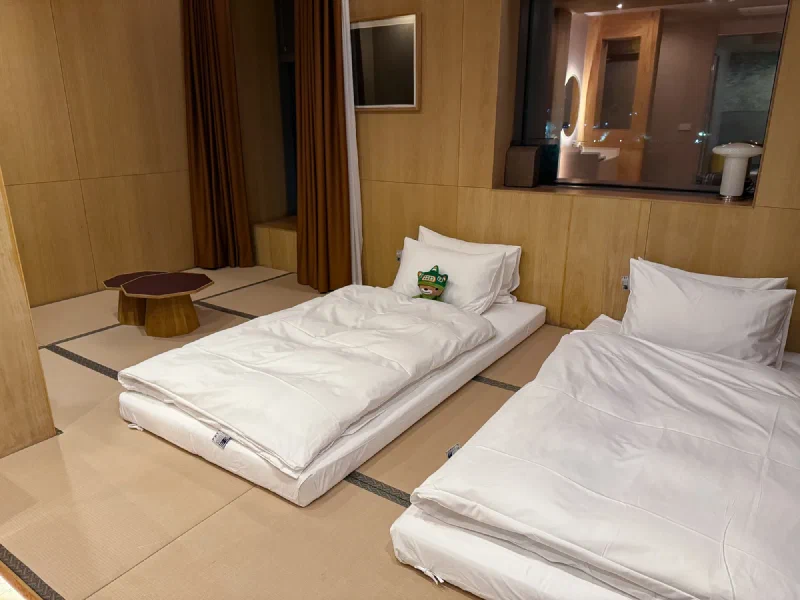
We got our K-Pass, hopped on the KTX, and arrived in Gyeongju. The hotel was… interesting. Korean-style ondol room with floor-level futons, warm wood walls, and a bathroom that was genuinely larger than the bedroom. I’m talking a full stone soaking tub, mosaic tiles, the works. The bedroom was basically a very fancy closet. Priorities.
We got in too late for any real dinner, so we did what you do in Korea when everything’s closed: convenience store.
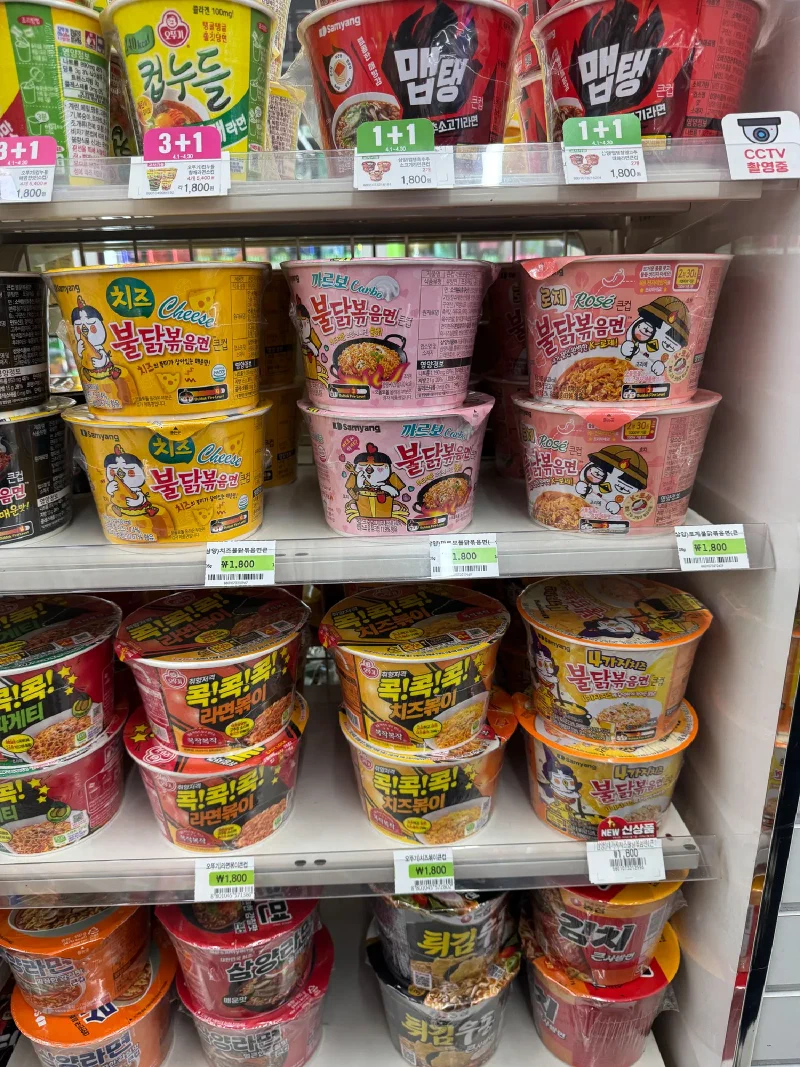
Korean convenience stores are something else. An entire wall of Buldak fire noodles in flavors like Cheese, Carbo, and Rosé. ₩1,800 each.
The hotel had a strict no-food-in-the-room policy. We bought the ramen anyway, smuggled the bowls upstairs, and ate them in silence like criminals. Did our best to leave no trace. The steam probably gave us away.
Next morning, we went for a walk. Yes, Nicholas is still walking on his knee. The man is committed to pretending he’s fine.
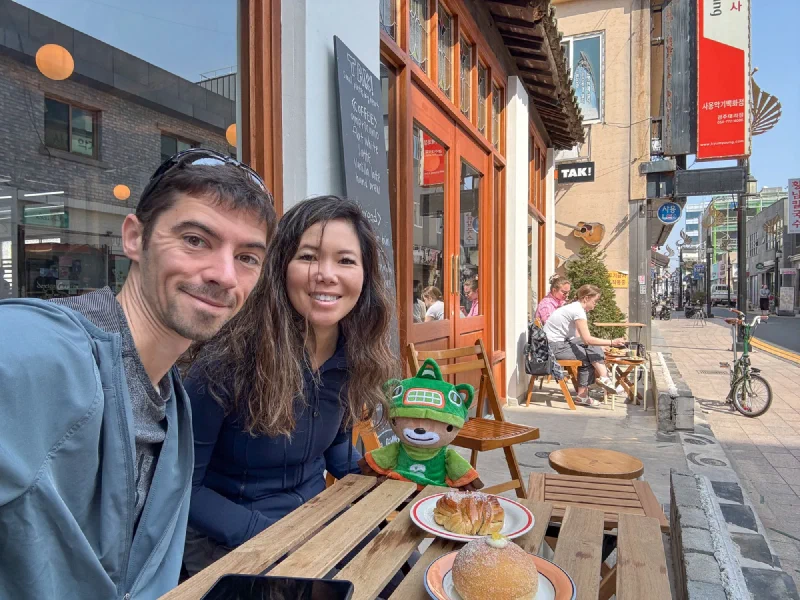
We found a café doing fika. If you don’t know what fika is, it’s the Swedish tradition of sitting down for coffee and pastries, and taking your time about it. Nicholas’s mom is obsessed with it. We did fika in Sweden and now we can’t escape it. It follows us.
Fueled up, we went to see the thing Gyeongju is famous for: the burial mounds.
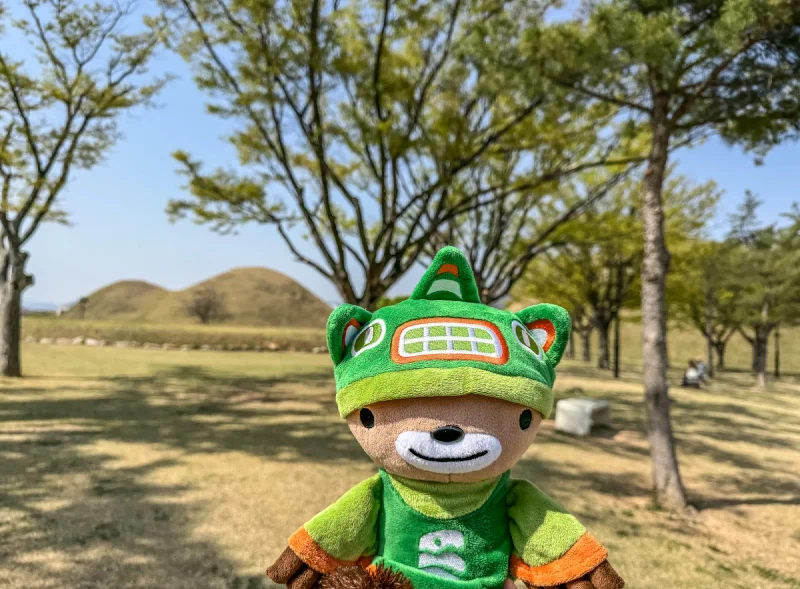
These are Silla dynasty royal tombs. Giant grass-covered domes, right in the middle of the city, just sitting there between apartment buildings and cafés. Each one has an ancient king or queen buried underneath. Sacred ground. You can walk right up to them, but you can’t walk on them. Strictly forbidden, protected national heritage.
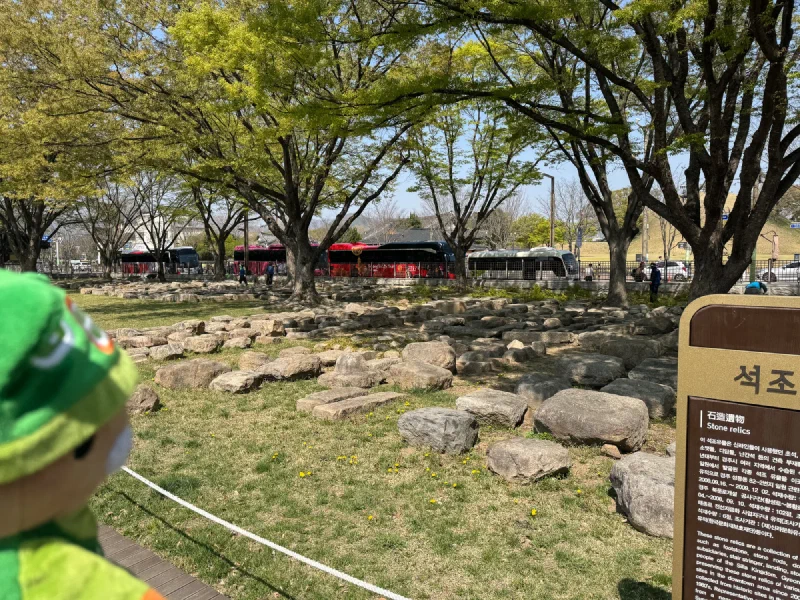
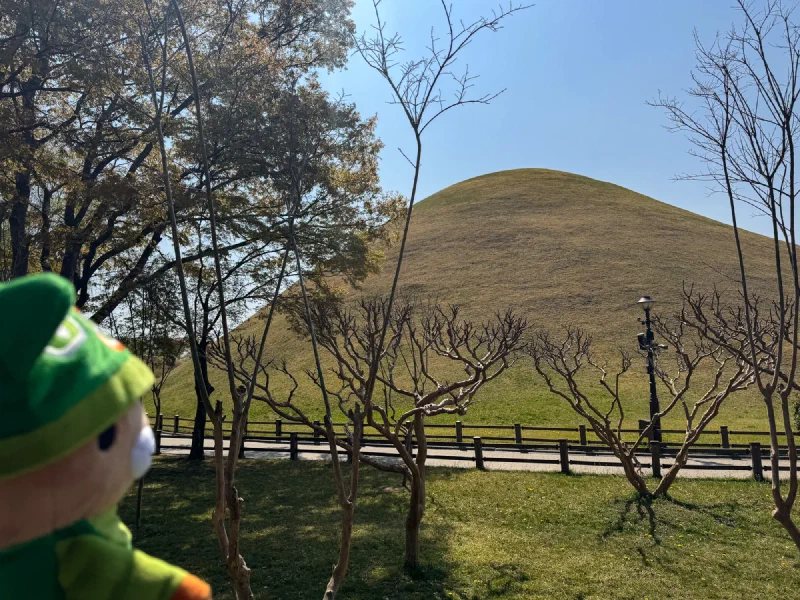
It’s wild. In most countries, something like this would have a fence and a gift shop and a $30 entrance fee. In Gyeongju, it’s just part of the scenery. People jog past them.
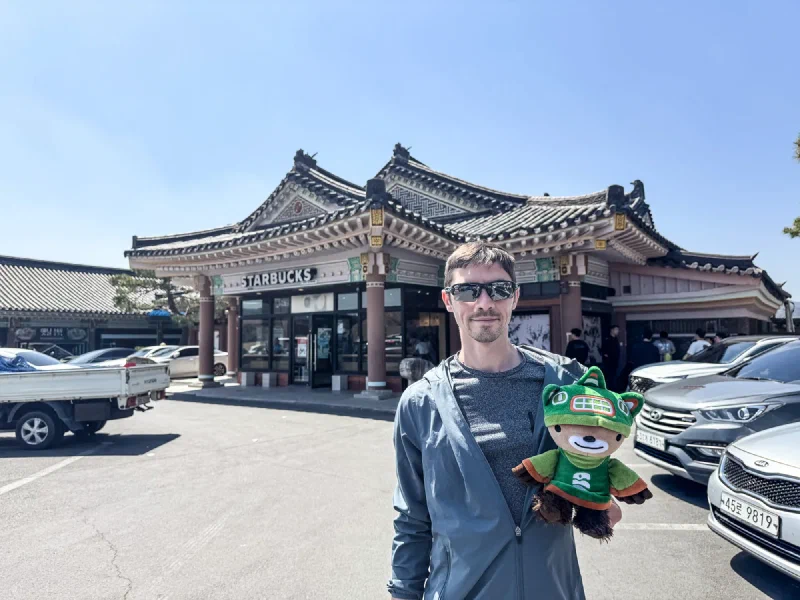
Even the Starbucks is in a traditional hanok building with curved tile roofs. The city has strict building codes to preserve the historic character. No modern eyesores. Just a Frappuccino served under 600-year-old architecture. As it should be.
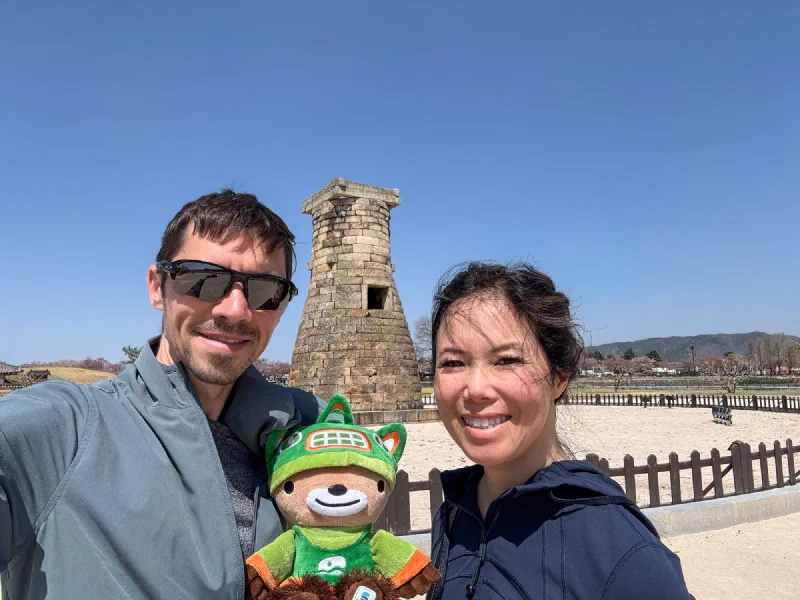
Cheomseongdae. The oldest surviving astronomical observatory in East Asia, built during the Silla dynasty in the 7th century. It’s a stone tower about 30 feet tall and it’s been standing there for 1,300 years. People were studying the stars from this thing before most of Europe had figured out plumbing.
We specifically sought this one out. My bud and I are space bears. We’ve watched Starship catch its own booster. We’ve stared at the Milky Way from a dozen countries. The idea that someone built a stone tower in the 7th century just to look up and try to understand what was out there? That’s our kind of people.
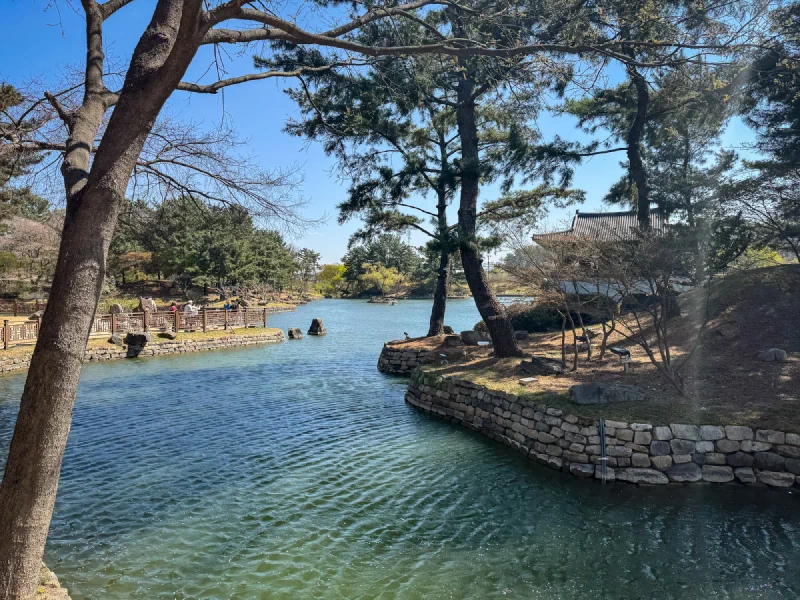
Wolji Pond was the royal pleasure garden. Stone-lined banks, pine trees, pavilions reflected in turquoise water. The Silla kings would throw parties here. I respect a dynasty that prioritizes a good garden.
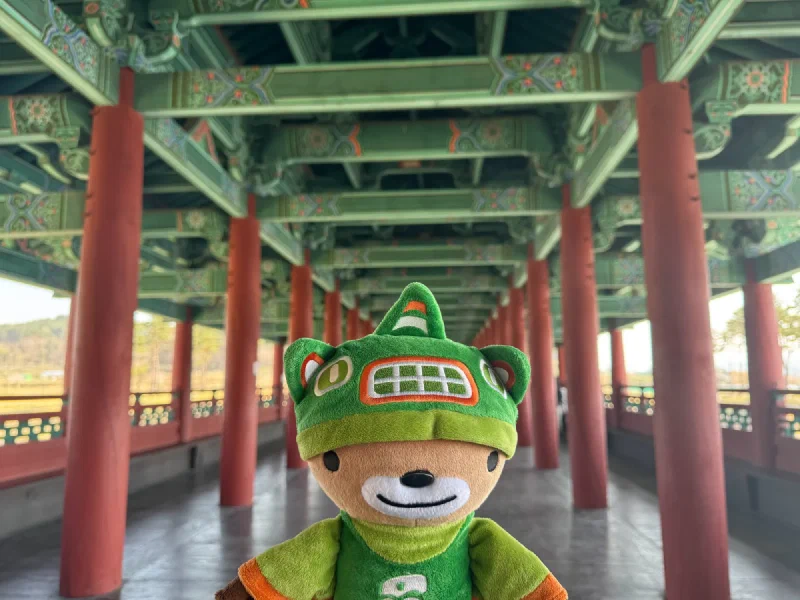
The temple corridors have these painted wooden beams called dancheong. Red, green, blue, gold, all in intricate geometric patterns. Every color has meaning. Every pattern follows rules that are centuries old. Someone painted each one of these by hand.
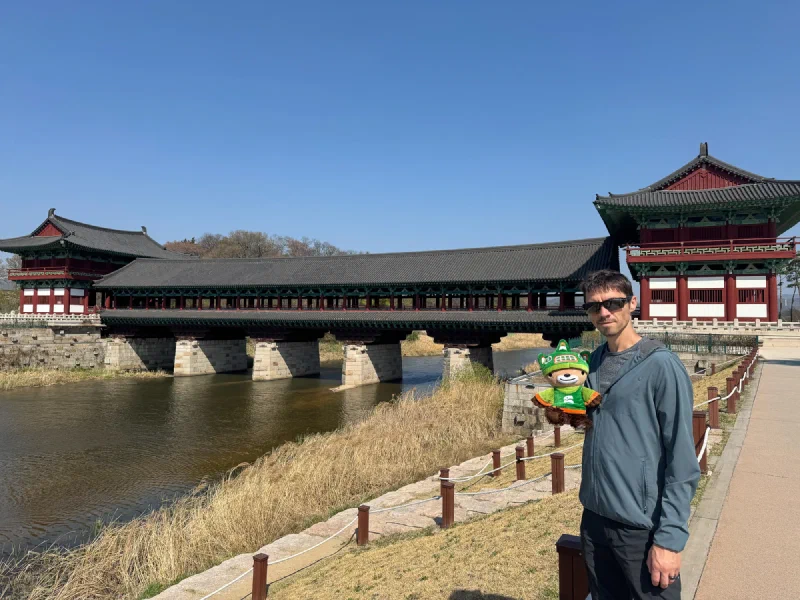
Woljeonggyo Bridge. This one’s a reconstruction, but it’s built to the original Silla-era specifications. Two-story pavilions on each end, stone piers in the river. It’s the kind of bridge that makes you realize modern bridges are boring.
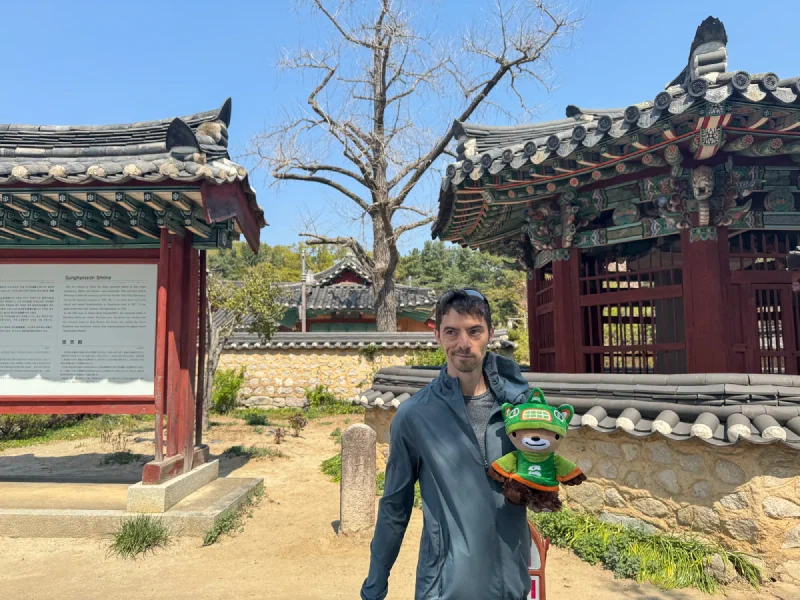
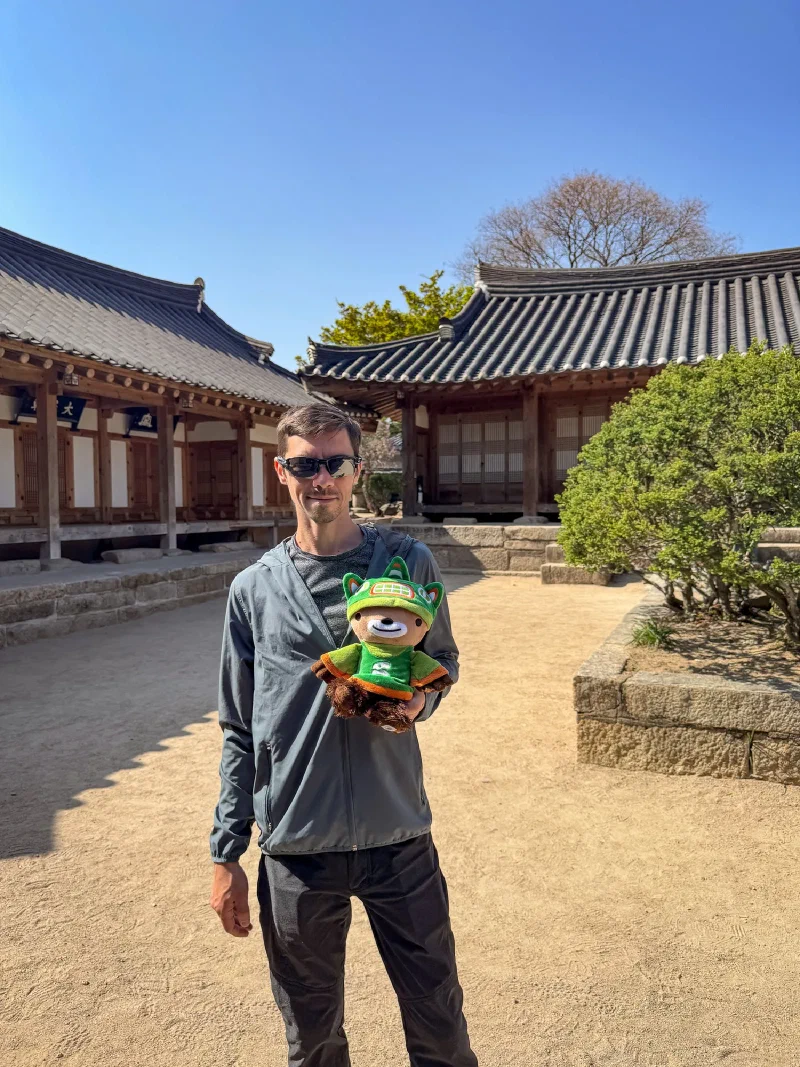
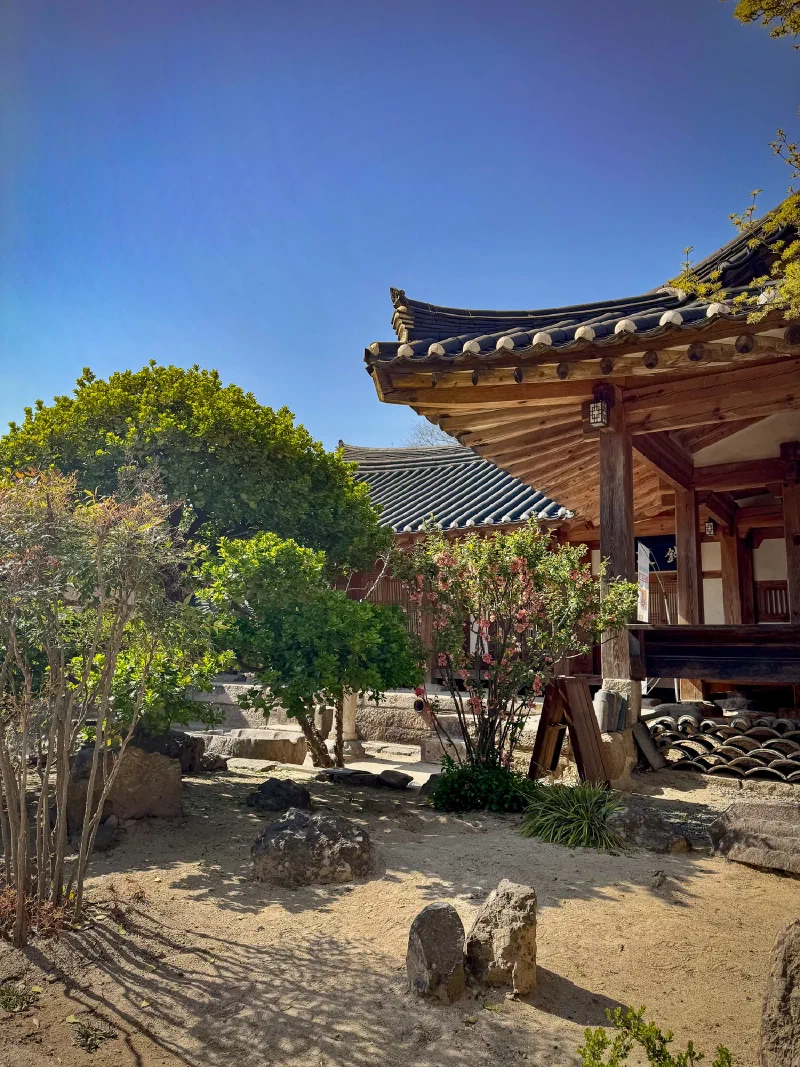
We wandered through an old compound that looked straight out of Rurouni Kenshin. Stone walls, wooden gates, a courtyard so quiet you could hear yourself breathe.
As the sun went down, we found what turned out to be the best Korean BBQ of the entire trip.
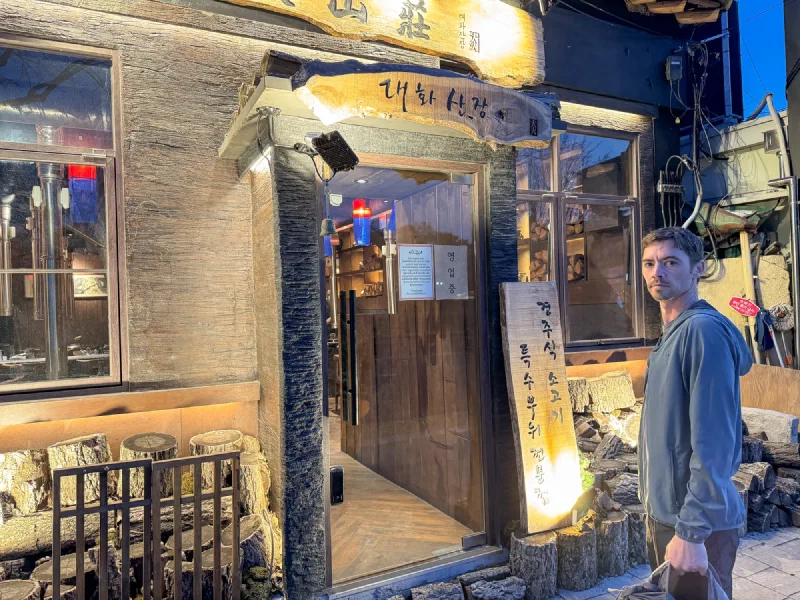
Not the sanitized tourist version with gas burners. This place used real burning coals. The meat was incredible. After a full day of walking on a busted knee, Nicholas deserved this. I’ll give him that.
Then came hwangnam-ppang for dessert.
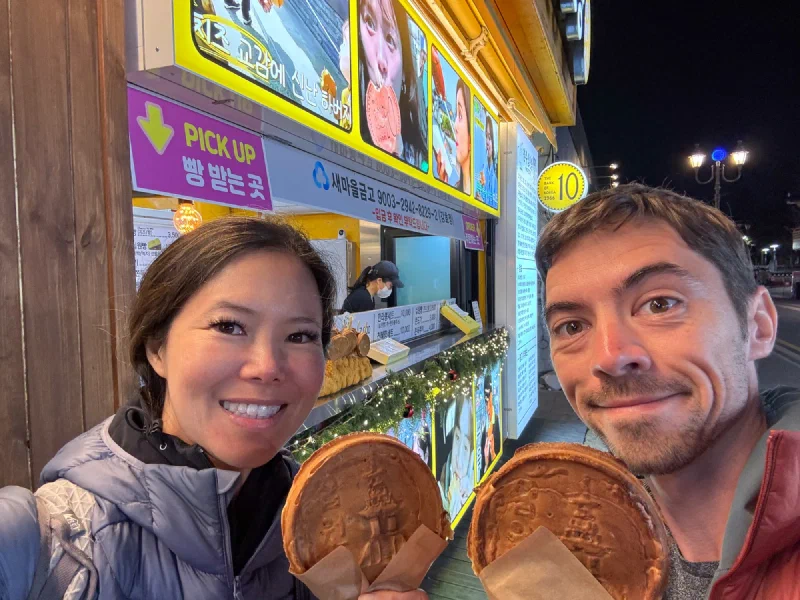
Little bread buns filled with sweet red bean paste. Warm, soft, not too sweet. You buy a bag from a street vendor and eat them while walking home past 1,500-year-old tombs under the streetlights.
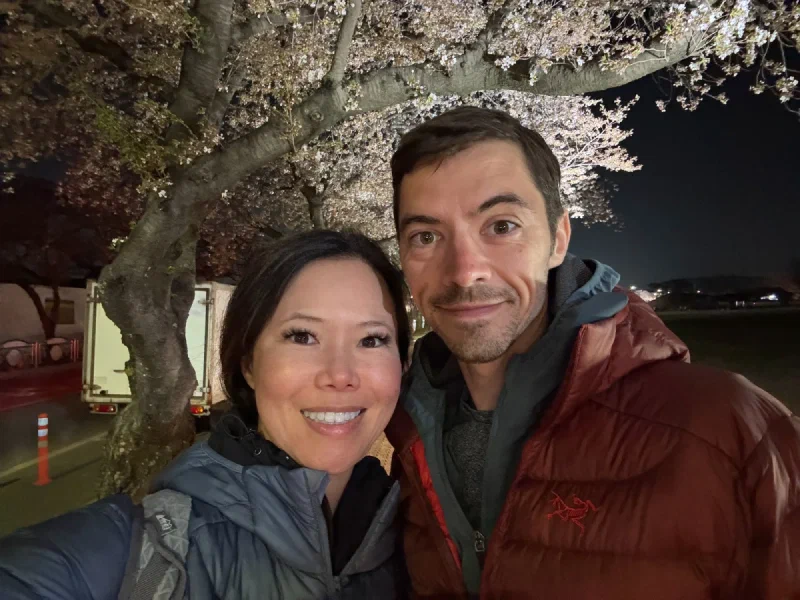
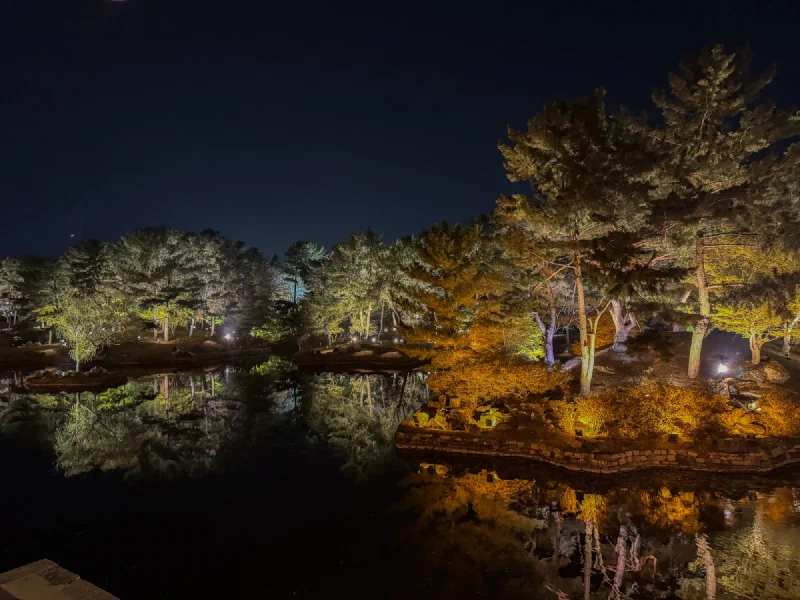
That’s Gyeongju. A city where ancient history is just the backdrop to daily life. Where a king’s tomb is something you walk past on the way home from dinner.
Nicholas’s knee made it through. Barely.