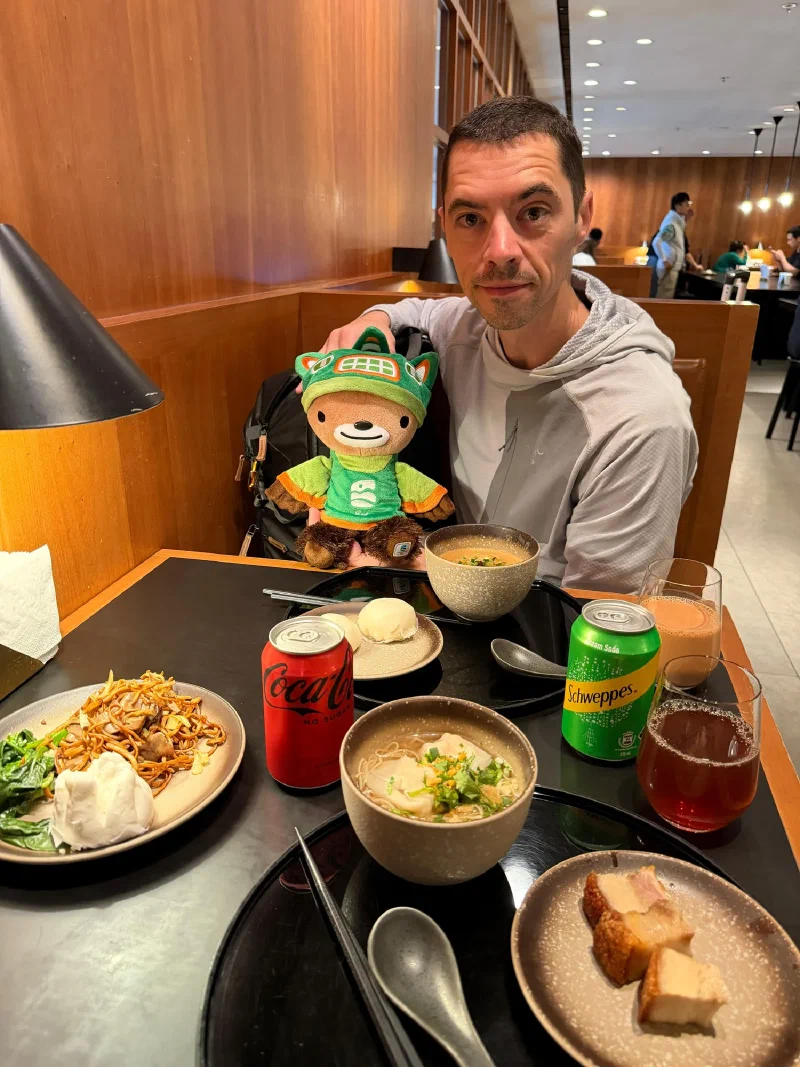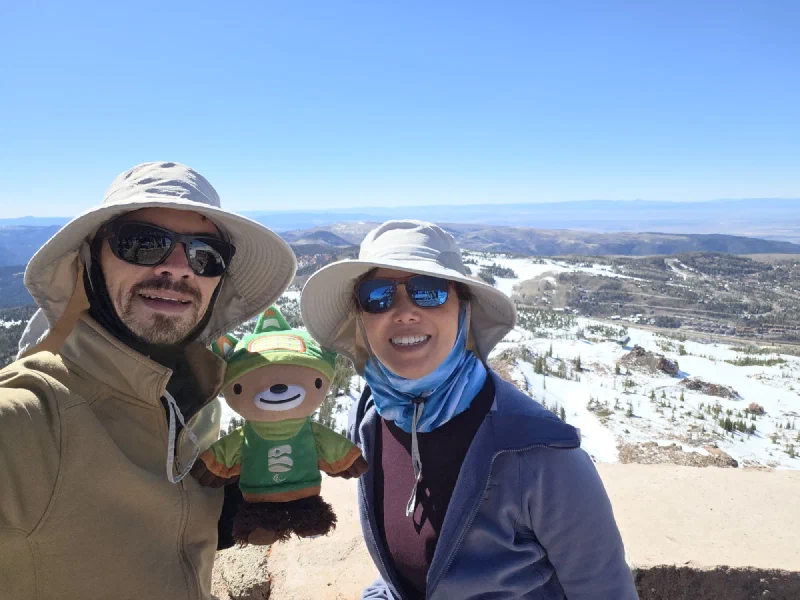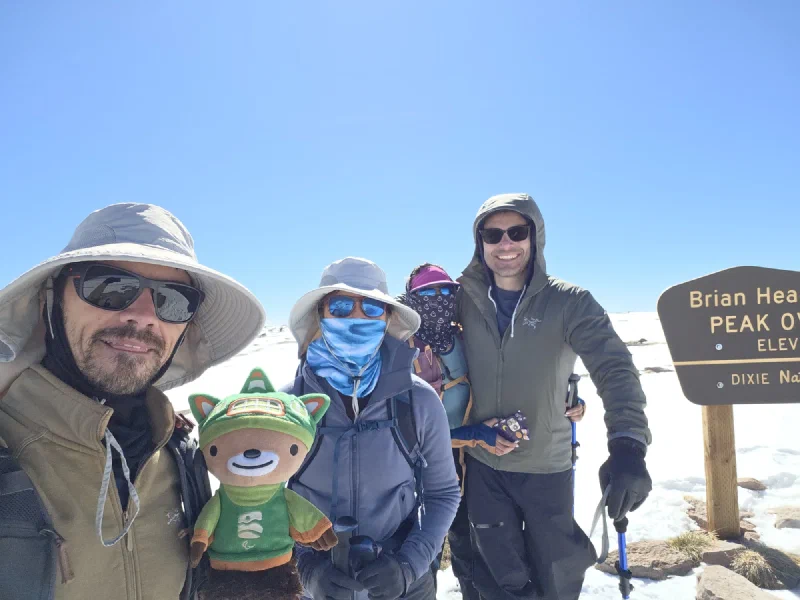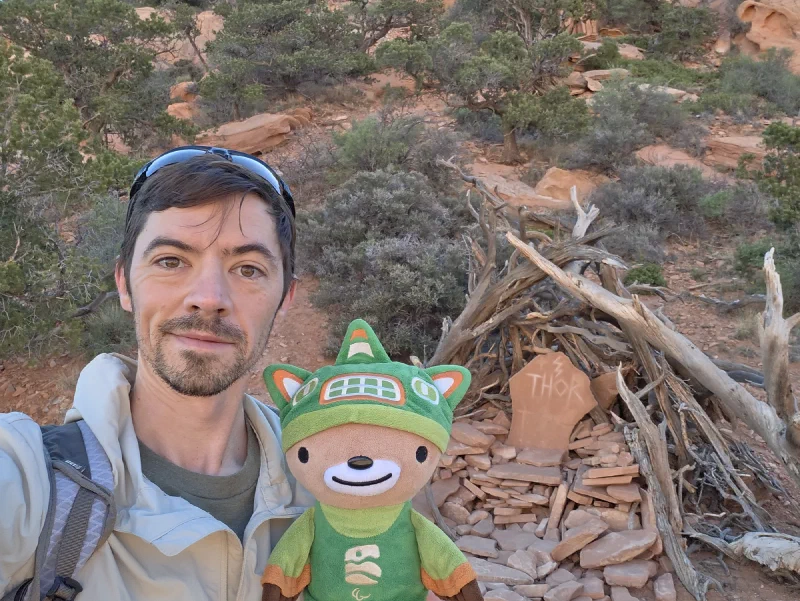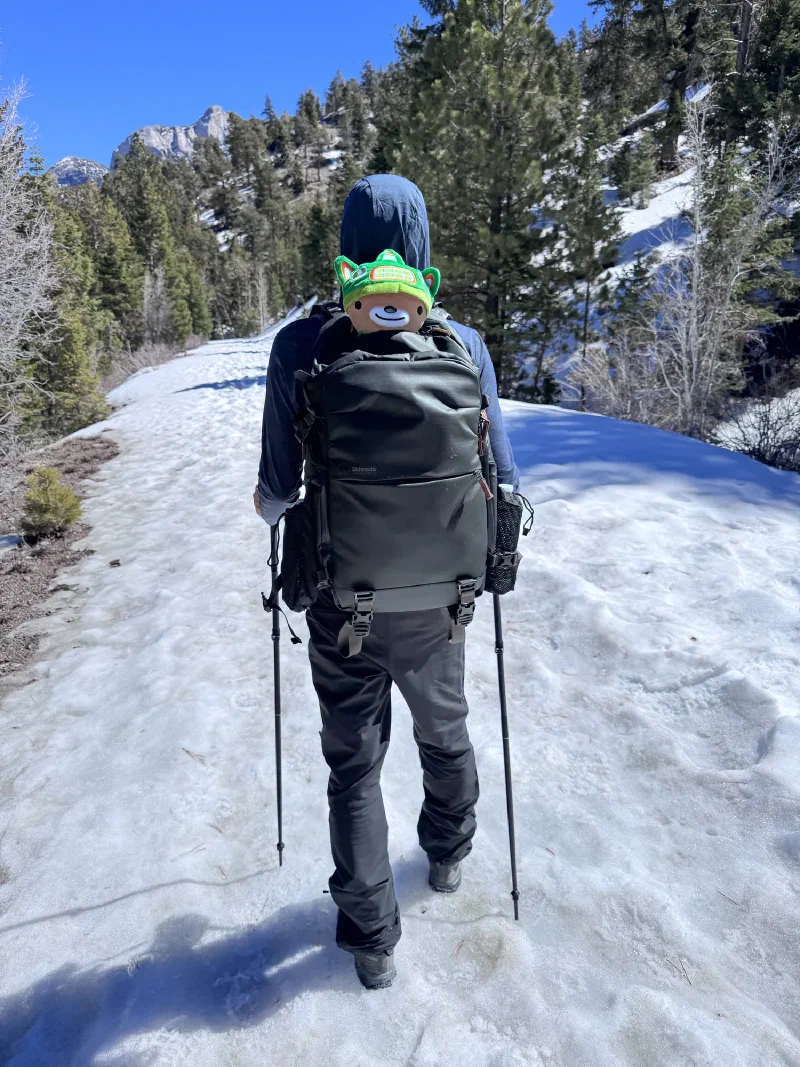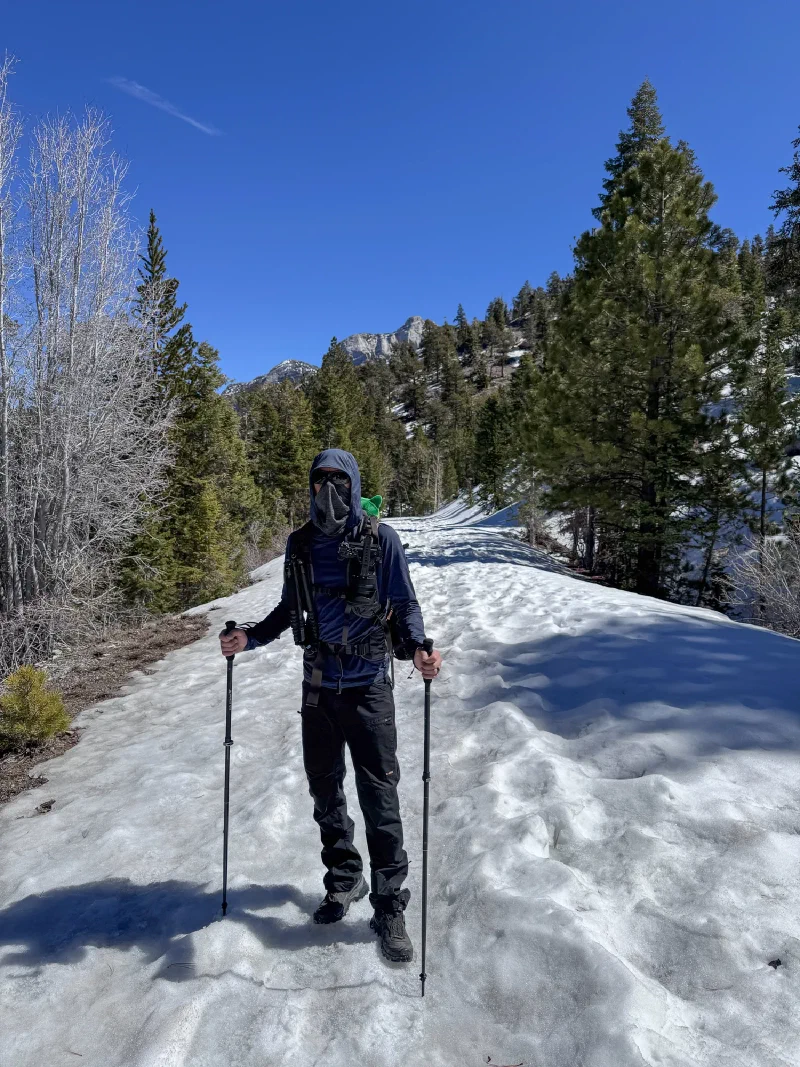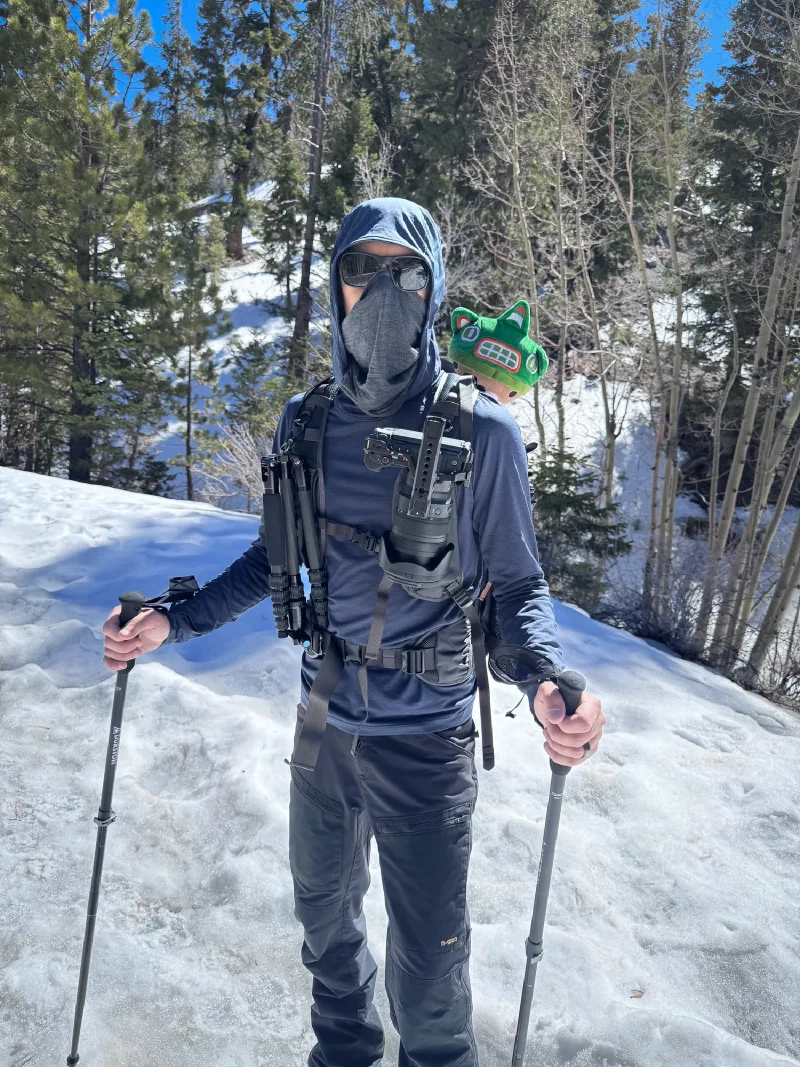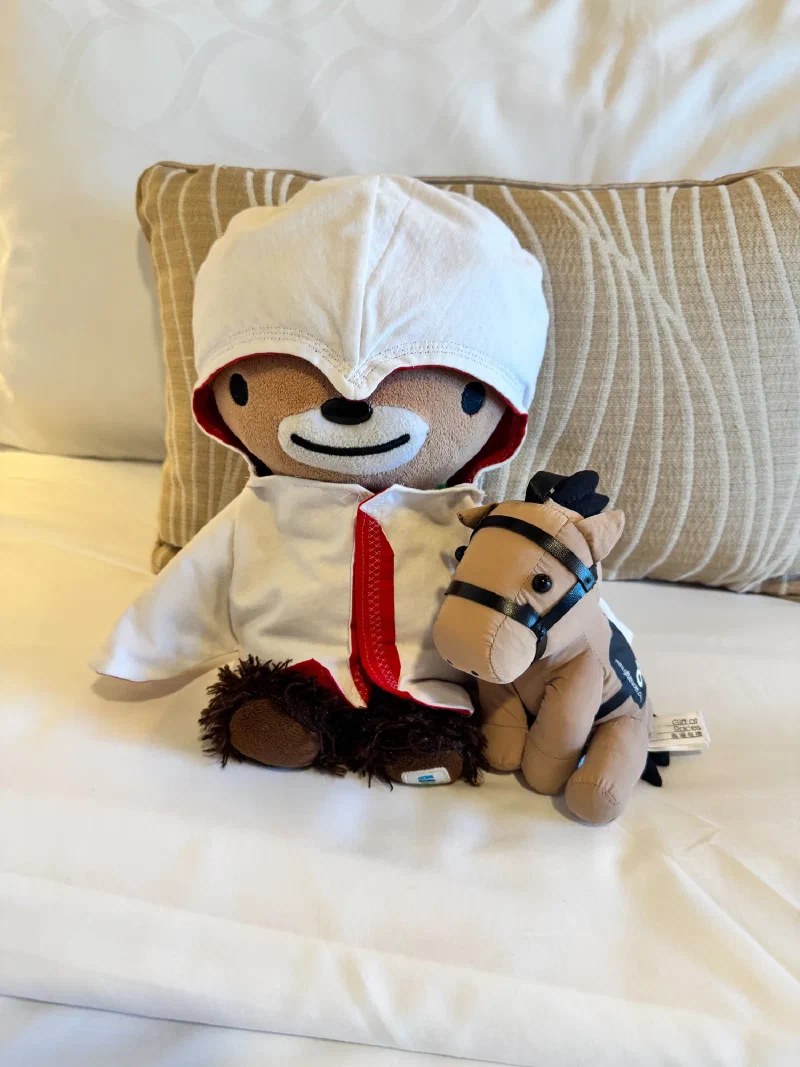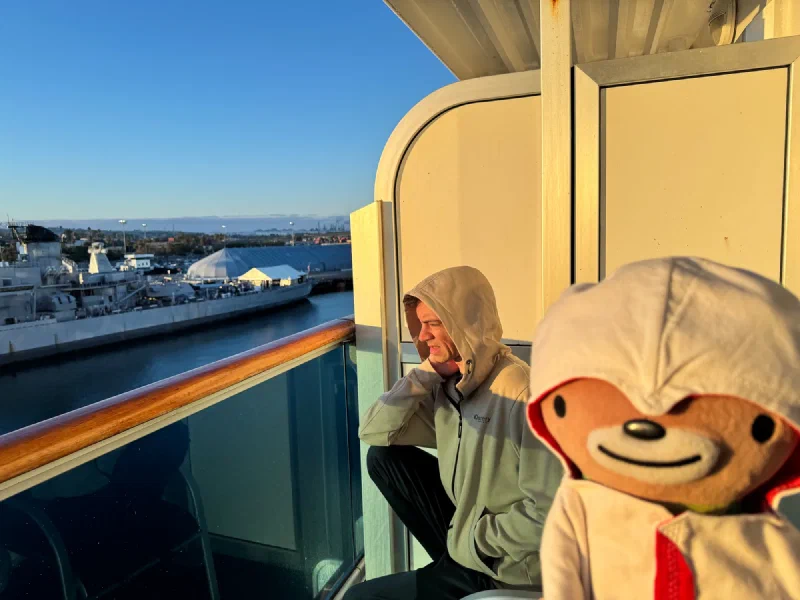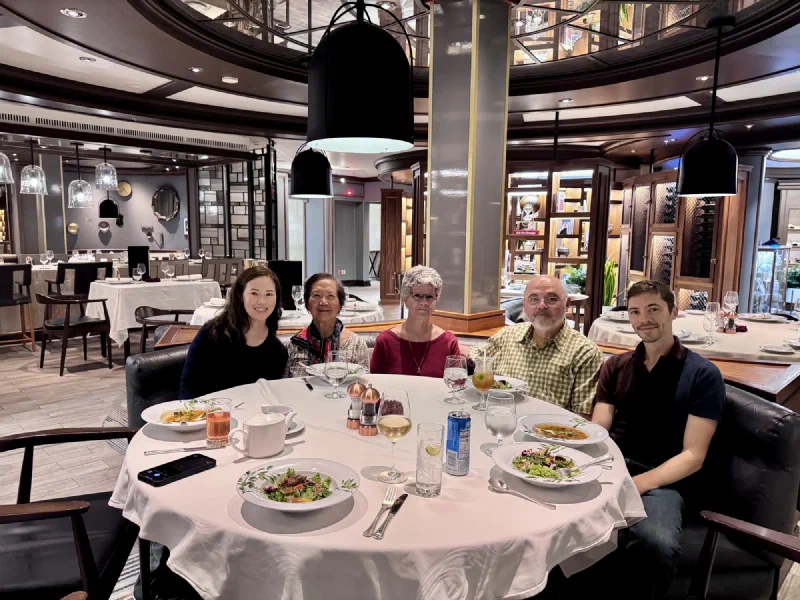

As you know, I’m a big fan of space. As evidenced by my multiple times playing Commander Sumi Shepherd for Mass Effect.
You may also know that I’m a big fan of SpaceX and real space efforts and I would do anything to live out my commander space fantasies on Starship.
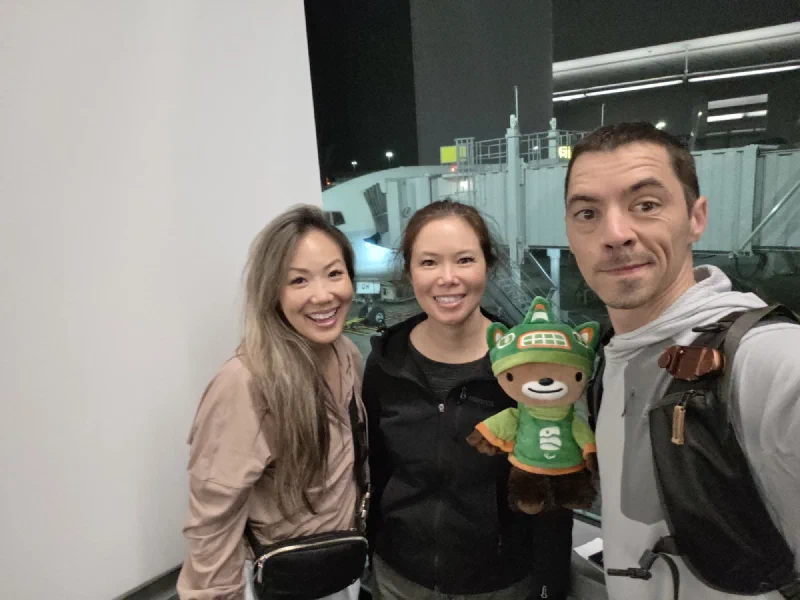
Today I feel like I’m on paw closer. My bud and Pokin took me to see the Starship 5 Test Flight in Boca Chica Texas.
We flew a red eye late at night, got in at 5:30AM to Brownsville Texas, and rushed to the launch site. Along the road were lines of cars with photography gear stationed to capture the moment. En route, cars snaked, bumper to bumper, headed towards a viewing spot.
We get there as the sun is above to rise.
The crazy engineers at SpaceX were going to launch Starship and then attempt a landing back on it’s own pad catching it with these new experimental ‘chopsticks’ named Mechzilla. This shouldn’t work, not first try with so many potential things to go wrong. We fully expected the landing to be aborted, or if attempted, a giant fireball to destroy the landing pad. The launch was originally scheduled for 7:15, and then they pushed it to 7:25AM. I knew they only had a short launch window. I was nervous. They decided to go for it.
They started counting down. It’s going to be a go! My bud gets his camera in place.
It takes off!
We cheered as it went into space, performed the separation.
It was time for the booster to return. Were they going to try the maneuver? It wasn’t automatically scheduled and they were going to make a game day decision.
And they announced they were going to go for it! 😮
They went for it! The booster comes back like it’s falling out of the sky and then right as it looks like it’s going to just plummet into the ground the boost-back burners fire back up straighten the booster, and then just slides in place to be caught by the mechanical arm.
We cheer, we go mad. It landed it’s first try!!!
!!!!!!
! This is history!
We did not expect that everything would go perfectly, absolutely nailing every last aspect and maneuver, making history in the process.
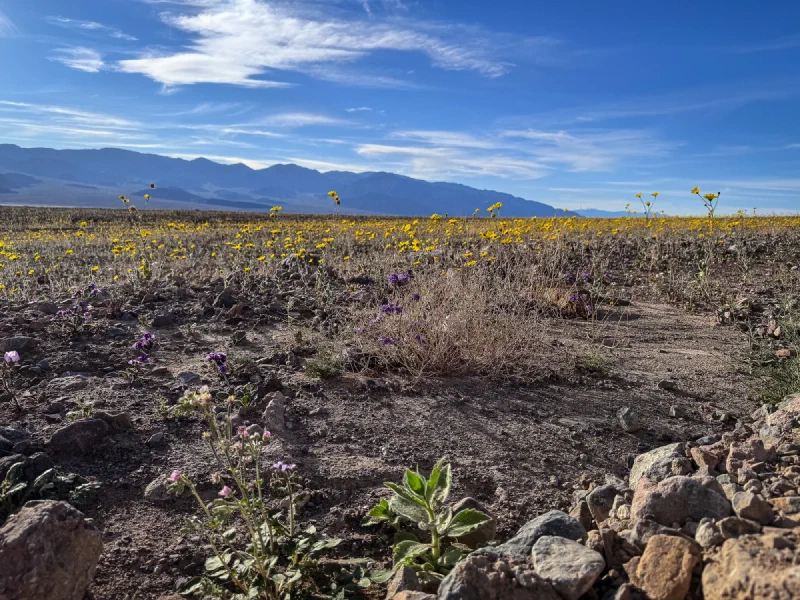
This was SO COOL. The rumble of the ship, watching it go up and back down in the sunrise, the sonic boom and sticking the landing… It doesn’t get better than this! Mars, get ready for a future with bears!
So my bud goes and makes this epic cinematic video of our Greenland trip — dramatic music, sweeping landscapes, icebergs, the whole deal.
And guess who wasn’t in a SINGLE FRAME?
This bear.
Not one shot. Not even a cameo. Not a wing tip in the corner. Nothing.
You’d think he went to Greenland alone. With just Pokin and a camera. As if I wasn’t RIGHT THERE the entire time.
I WAS THERE, NICHOLAS. I was there for ALL of it.
So here’s my proof.
Day one. Tundra hiking with icebergs in the background. SEE? I’m literally right there between them.
That’s me. On the tundra. In Greenland. Right there between Nicholas and Pokin while enormous icebergs float by in the fjord behind us. The autumn colors were actually kind of cool — reds, oranges, browns — if you could ignore the fact that it was freezing and also basically surrounded by water.
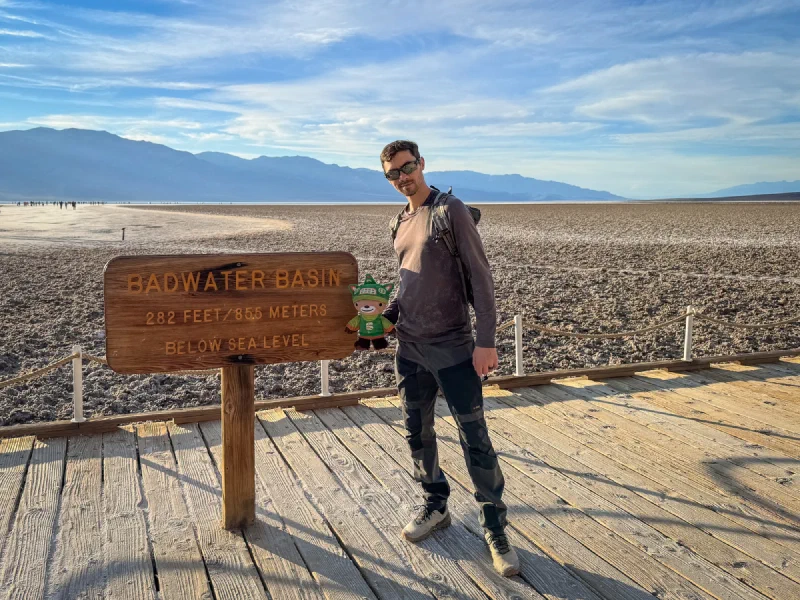
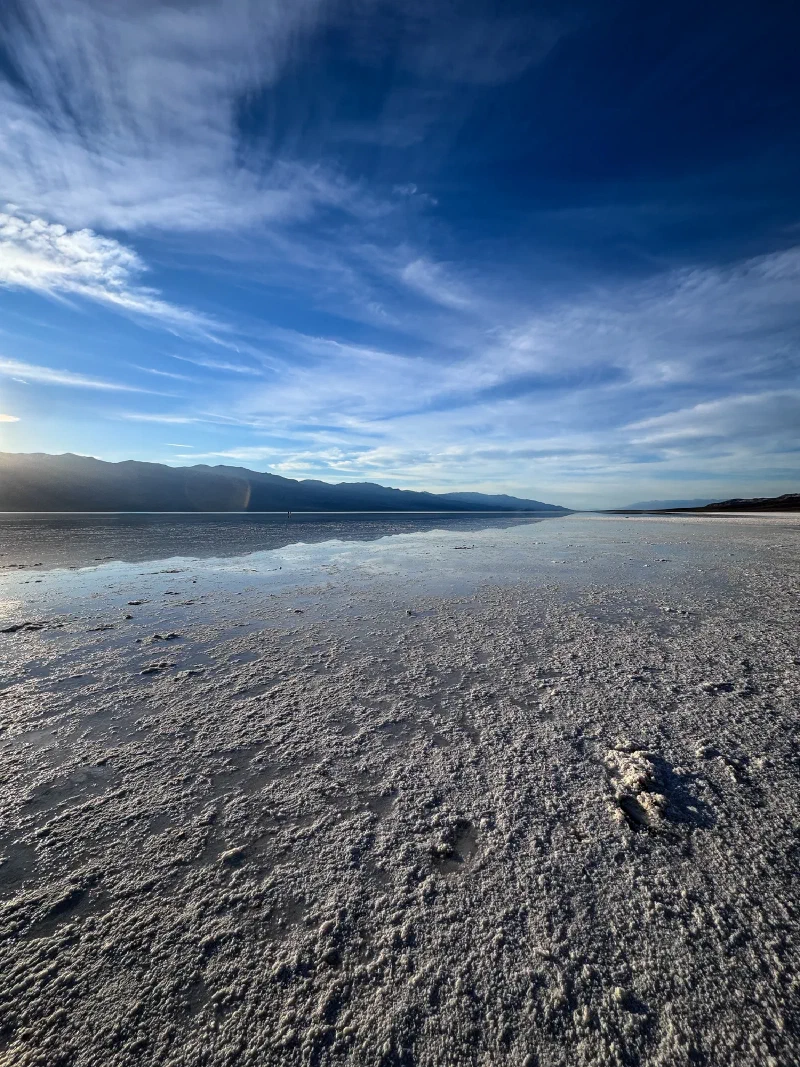
OK fine, I’m not in this one. But I TOOK this photo. …Probably.
The Ilulissat Icefjord. Massive icebergs calve off the glacier and just… sit there. Packed together like a frozen traffic jam. It’s impressive, I’ll give it that. Even if it is just a lot of very cold water.
Not that you’d know I was there to see it, from that video.
Me. On a boat. In Greenland. With icebergs. What more proof do you need?
That’s me and Nicholas on the water. There’s a red-sailed boat behind us, and behind that, an iceberg the size of a building. The water was weirdly calm. The light was doing that golden thing it does when it’s trying to show off.
I mean, come on. This is better footage than anything in that video, Nicholas.
Fine, this one doesn’t have me in it either. But look at it. LOOK AT IT.
OK I’ll give him this — Greenland at sunset does look ridiculous. The sky went all pink and peach, the sailboat was just cruising through floating ice, and the whole thing looked fake. Like a screensaver someone would sell you.
I guess he can be forgiven. A little.
But next time, the bear gets screen time. Non-negotiable.
From Copenhagen we’re flying to Greenland. Wait - What? Greenland? Isn’t it cold there?
Either way, we’re going with our newly acquired camera gear.
I was going to write all about our trip to Greenland – but let’s be honest, I’m a lazy bear. My bud decided to show off his video editing and music production skills and made a video that recaps the situation pretty well, so I’ll just post that instead.
Sumi’s note: Hey wait, LAZY BEAR? Who wrote this stuff? Nicholas stop editing my posts!
Instead we are hunting down a camera store for Pokin because she waited till she was already on a trip to realize she is missing camera gear for her upcoming photography tour to Greenland (in 2 days.) We’re supposed to be sailing and shooting icebergs, and she had zero telephoto lenses and one broken wide angle lens.
So we got to the hotel, dropped off our bags, and walked to the camera store. We ended up going to the Foto/C store. At least we passed some cool views.
Lucky for her, they had a lens in stock. It was their only one. She was able to buy a 70-200mm. Then everyone was tired, ate dinner at a nearby restaurant and went to bed.
Five of us went to Mammoth Lakes for Pokin’s birthday. Nicholas, Pokin, Po On, Eric, and me. None of us had ever been there. Pokin wanted mountains for her birthday. She got mountains, mosquitoes, and a wheel of cheese the size of a small tire. But we’ll get to that.
The hotel room had a loft with four twin beds in a row against the wall. Like a barracks. Like someone was expecting a platoon and got two couples and a bear instead.
From left: Pokin, me, Nicholas, Po On, and Eric. Four beds, five of us. The math works if you count me as half a person, which I am not.
Naturally, we had to test them.
2:16 PM. Synchronized napping. I was the first one down and the last one up. Professional.
The next morning, Nicholas and Pokin went to do a via ferrata. For the uninitiated, a via ferrata is a climbing route with metal rungs and cables bolted into a cliff face, so you can pretend you’re a mountaineer without any of the actual mountaineering skills. Nicholas loves these things.
I was not invited. Something about “liability waivers.” Discrimination.
Nicholas and Pokin going straight up. Those yellow-green patches are lichen, not safety nets.Taking a break mid-cliff. Nicholas looks like he’s lounging on a couch. Show-off.The hero shot. Standing on two pieces of rebar over a thousand-foot drop with a forest valley behind them. Meanwhile I was back at the hotel, napping on bed number two. No regrets.
The real reason we came: hiking. The whole crew headed out into the Sierra Nevada to find some alpine lakes.
First lake sighting. Pokin and Nicholas scoping out the terrain from above.Summit selfie. Sierra Nevada behind us, dramatic clouds above us, adventure hats on all of us.These trees have been fighting the wind longer than I’ve been blogging. Respect.My bud in full explorer mode. Hat, gear, thousand-yard stare at the trees. I was in the backpack for this part. Conserving energy.
The trail wound through granite and pine until we found what we came for.
Everyone in coordinated hiking gear. I was tucked away somewhere, probably napping.Group trail photo number two. The lakes here are that specific shade of blue that makes you want to jump in and immediately regret it because it’s freezing.Pika Lake. Named after the pika, a tiny mountain rodent. Finally, a creature smaller than me.The view from the top. Turquoise tarns, green meadows, and a trail that took way too long to hike to appreciate for only five minutes before turning around.
The mosquitoes, by the way, were outrageous. An entire airborne militia. Nicholas was swatting them away every ten seconds. I didn’t see what all the fuss was about. Not a single bite. Must be my natural charm.
Po On making sure I read the rules. ‘BE BEAR AWARE.’ I AM a bear. I am VERY aware. Also, I would never store food in a vehicle. I would eat it immediately.
The sign had some helpful tips. “Do NOT store food or scented items in your vehicle.” “Never feed or approach a bear or its cubs.” “Don’t wait and make it bait.”
Solid advice. I especially support the part about not approaching bears. Unless you’re bringing cocoa.
Po On cupping my ears in the backseat. Apparently something was being said that I wasn’t supposed to hear. I heard it anyway. Bear ears are decorative, not functional.Photobomb. I’m the entire foreground. Nicholas is fumbling with something in the middle. Po On is doing peace signs in the back. Priorities in the right order.
Now. The cheese.
One of their friends gave Pokin a birthday gift: a full wheel of Swiss raclette cheese. Not a wedge. Not a slice. A WHEEL. From Mifroma. The kind that says “Maitres Fromagers Suisses” on it because apparently this cheese has a resume.
The birthday girl and her gift. A full wheel of raclette. Happy birthday, here’s eight pounds of cheese and a logistical challenge.
The thing about a raclette wheel is that you can’t just eat it. You need a raclette melter. A specific appliance designed for melting cheese in a very particular way. So the gift was really: “Happy birthday, now go buy a specialized piece of kitchen equipment and plan an entire dinner party around this cheese.” Which is either the most thoughtful gift or the most passive-aggressive one. I respect it either way.
Happy birthday, Pokin. Next time, maybe ask for something that doesn’t require its own appliance.
Meet the Fredriksson brothers. Nicholas’s great-great-grandfather Johannes on the left. His older brother Andreas on the right.
Johannes Magnusson Fredriksson. Prisoner No. 5399. Born 1844. Strong build. Several scars.Andreas Fredriksson Magnusson. Prisoner No. 4778. Born 1842. Dark complexion. Average build. No distinguishing marks.
Yes, those are their prison intake documents. From Långholmen Central Prison in Stockholm, Sweden. Both brothers. Both convicted of fourth-time theft. Both served years.
Långholmen was Sweden’s largest prison. Over 500 cells. Built starting in 1874, it operated for a century before closing in 1975 and being converted into, of all things, a boutique hotel. You sleep in the cells. Real cells.
Here’s the short version, because the long version sounds like a season of television that nobody would believe.
The brothers’ father was reportedly the family mastermind who sent his sons to steal so he wouldn’t take the blame. Both brothers got caught. Multiple times. Andreas served eight years at Långholmen. Johannes got ten. Their sentences overlapped by eleven months, so they were doing time together. In the same building.
After prison, Johannes got his marriage paperwork signed by the Långholmen prison chaplain, married a woman named Johanna Sofia on April 10, 1882, and left for America the next day. April 11. Prison chaplain to wedding to transatlantic voyage. The man did not waste time.
They spent five years in America. Two children were born there. Neither survived. They came back to Sweden. Their son Oskar, Nicholas’s great-grandfather, was born in 1888.
Then Johannes left the family and married his brother Andreas’s ex-wife.
Meanwhile, Andreas got mixed up in a brawl where someone died. He grabbed his new wife, who was also his much younger cousin, and vanished from Sweden entirely. Changed his name. Boarded a ship. Nobody has found him since. A Swedish cousin named Ann-Marie has been doing serious genealogy work for years trying to track him down. Nothing.
Johannes went back to America again in the early 1900s. The family thinks he was visiting Andreas, wherever he ended up. The brothers who stole together and served time together apparently couldn’t stay apart.
And Oskar? His mother died when he was ten. Her will said he was not to live with his father. He was placed with a farmer who treated him like cheap labor. As a teenager he was kicked by a horse, the wound went gangrene, and his lower leg was amputated. So he became a barber, because it was work he could do in one spot. In 1923 he sailed through Ellis Island, started cutting hair in Chicago, and changed the family name from Johansson to Johnson. Never talked about any of it.
His son Charley was Nicholas’s grandfather.
Nicholas’s mom changed the family name back to Johansson in 2003, before she even knew the full history. Ann-Marie found her on a genealogy website in 2020 and cracked a century of family secrets wide open.
Room 123. Vaulted ceiling, bunk beds, arched window. Very cozy. Very incarcerated.Room 123 from the outside. The floor plan on the wall still says VÅNINGSPLAN. Because nothing says ‘welcome to your hotel’ like a prison blueprint.
The corridors are the real showstopper. The old cell block has been preserved with its full atrium, upper walkways, and rows of cell doors. They added leather chairs, rugs, and plants. It looks like a prison that hired an interior designer, which is exactly what it is.
The common area. Cell doors 114 and 115 on either side. The leather chairs are a nice touch. The Fredriksson brothers did not have leather chairs.
Andreas entered this building in 1872, two years before it was even finished being built. He may have literally helped construct the prison he was locked in. And in 1879, his brother Johannes showed up. For eleven months, both brothers were here. Same corridors. Same walls. Same food hatches. Doing time as a team, like they did everything else.
The next morning we walked the island. Långholmen is surprisingly nice for a place that held over 500 prisoners. Tall trees, gravel paths, the old stone walls covered in greenery.
My bud, strolling the prison grounds like a free man. His ancestors were less casual about it.
The night before, Nicholas had claimed the top bunk. Which meant I got the shelf above the top bunk. The highest bunk. The bunk that doesn’t officially exist but absolutely should count.
Bunkmates. He got the top bunk. I got the shelf above the top bunk. Same pose. Same vibe. Different thread counts.
The old upper walkways still have the original railings, the globe lights, the cell doors with their numbers. Room 215 behind us. The whole place feels like it could wake up and start being a prison again at any moment.
Surveying the cell block from above. We run this place now.
The gift shop at Långholmen sells striped prisoner outfits. Shirts, caps, the works. Printed with “LÅNGHOLMEN” and a prisoner number. Nicholas and Adam looked at each other. I looked at both of them. We all knew what was happening.
Adam, me, and Nicholas. Prisoner 7208500. The family tradition continues.
They bought the shirts. They got me a cap. And then we spent the next hour being the most committed method actors Långholmen has seen since it closed in 1975.
Back in the cell. Wooden table, wash basin, chamber pot. All the amenities the Fredriksson brothers would have enjoyed.Hardened criminals. Don’t be fooled by the soft plush exterior.Cell 126. The door weighs more than I do. Which, to be fair, most doors do.In the old cell. That wall cabinet held a prisoner’s entire worldly possessions. A pitcher, some bowls, and apparently no hope.
I did my own investigating. The cells have these small metal hatches in the walls. Food slots. Observation windows. The kind of thing that exists because someone decided prisoners didn’t deserve doors that open all the way.
Inspecting the food hatch. This is where dinner came through. No room service menu. No tip jar.Behind the bars. Nicholas is doing his best Johannes impression. I’m doing my best ‘wrongfully accused’ face.
Johannes served years behind bars like these. He ate through a hatch like that one. He slept in a cell like the ones we were posing in. Then he got his marriage paperwork from the prison chaplain, walked out, got married, and was on a boat to America before the ink dried.
Free bears (and humans) loose in Stockholm. We walked through Södermalm, past red houses and church spires, down to the waterfront.
Stockholm does dramatic architecture like some cities do parking garages. Just casually.
We checked into a proper hotel. One with full-sized windows and no bars on them.
A hotel room with a view, a sofa, and no chamber pot. Progress.Stockholm rooftops. Oskar left all of this behind in 1923 and never came back.
The last evening in Stockholm. The last evening in Sweden. The last evening of the whole Europe trip. Nicholas walked up to Maria Hissen on Södermalm, where the old elevator connects the hilltop to the waterfront below, and the golden hour light turned everything warm.
Maria Hissen. Golden hour on Södermalm.
Stockholm harbor. Somewhere out there, a boat once carried the Fredrikssons to a new country. And then back. And then the next generation left for good.
And then the sunset. A hot air balloon drifting over the skyline. Church spires going dark against the orange. The water catching the last of the light.
Stockholm at sunset. Hot air balloon, church spires, and the kind of sky you don’t forget.
Last light. The Nordic summer doesn’t want to let go of the day, and neither did we.
We flew home the next day. Back to Las Vegas. Back to the desert heat. Fleeing Sweden for the free country, just like the Fredrikssons before us.
But for two nights, we slept where Johannes and Andreas slept. We walked the corridors they walked. We stood behind the bars they stood behind. 144 years later, the family came back to Långholmen not in handcuffs, but in matching striped shirts from the gift shop.
Andreas is still missing, by the way. Changed his name, boarded a ship, and vanished. Ann-Marie has been looking for years. If you happen to have a great-great-grandfather who was suspiciously Swedish, suspiciously good with horses, and suspiciously vague about his past, we’d like to talk.
We have questions. And a striped shirt in his size.
The family was celebrating Midsommar. A whole day of activities planned. Apparently my bud didn’t think to pack me. So I got left behind while everyone else went off to see thousand-year-old dragon carvings and dance around a maypole.
First stop: a forest path leading to what Nicholas described as “Viking runes or something?” when he was trying to convince me it wasn’t a big deal he left me behind.
My bud, strolling through the Swedish woods like he’s on the cover of a hiking catalog.
“Viking runes or something” turned out to be the Sigurdsristningen, one of Sweden’s most important Viking-age rock carvings. Carved around 1030 CE into a rock face at Ramsundsberget, near Sundbyholm. It tells the story of Sigurd the Dragon Slayer, the hero who killed the dragon Fafner, roasted its heart, and understood the language of birds afterward.
So not just “some runes.” A thousand-year-old comic strip about a guy who murdered a dragon and ate its heart. Which, honestly, is the most metal thing I’ve ever heard.
A thousand-year-old Norse saga, painted in red on a rock in the woods. No big deal.
The red paint isn’t original. It’s a preservation technique to make the carvings visible. But the carvings themselves are nearly a millennium old. Sigurd, the dragon, the birds, the whole saga, all etched into this rock face in the middle of a quiet Swedish forest. The kind of thing you walk right past if nobody tells you it’s there.
Nicholas and Pokin, posing in front of a dragon murder scene. Romantic.
On the walk back, Pokin found wild strawberries growing along the trail. As you do in Sweden.
Smultron. Swedish wild strawberries. Three of them. A feast.
These are smultron, Swedish wild strawberries. Tiny, bright red, and apparently the most Midsommar thing you can eat. Three berries in a palm. Sweden does portion control differently.
A short drive south, they stopped at a runestone standing alone in an open field near Larsbo.
A runestone in the wild. Red runes, serpent carvings, birch trees. Södermanland has more of these per square kilometer than anywhere else in Sweden.
Södermanland, the region around Eskilstuna, has the densest concentration of runestones in Sweden. They’re everywhere, just standing in fields and forests like furniture someone forgot to move. This one has the classic serpent-band design with runic inscriptions, probably a memorial stone from the 11th century.
Then the main event. Cousin Karin brought everyone to Sundbyholms Slott, a castle from 1648 on the shores of Lake Mälaren, where the town puts on a proper Midsommar celebration.
Sundbyholm Castle. Swedish flags, flower crowns, and a woman who dressed exactly right for the occasion.The midsommarstång. Greenery, ring garlands, families on the lawn. This is what Midsommar looks like when you do it properly.
The midsommarstång went up at 4 PM in the castle park. Families spread out on the lawn. Kids ran around. Flower crowns everywhere. The whole thing looked like a scene from a movie where someone says “let’s spend the summer in Sweden” and then everything is perfect.
I would have looked great in a flower crown, by the way.
After the maypole, everyone went back to the family’s house for a home-cooked picnic on the deck. Classic falun-red Swedish house with white trim, climbing vines, flower beds, apple tree with a Swedish flag in the garden. The whole thing.
Apple tree, Swedish flag, red house. If this were any more Swedish it would come with an IKEA manual.Nicholas and Pokin in front of the house. Golden hour. Looking like they belong here.The whole crew. Drinks, farmland stretching to the horizon. Nobody saved me a seat.
Cousin Karin organized the whole day, from the dragon carvings to the maypole to this.
I know all of this because I looked at the photos. Because I was at the hotel. Because Nicholas couldn’t be bothered to toss me in his backpack for what turned out to be the most Swedish day of the entire trip.
Next time, I’m going. Whether Nicholas remembers me or not.
Nicholas’s mom’s dad, Papa, was born in Örebro. This was home base. Laxå, a small town nearby, was where Papa’s mom Stina grew up and where her family put down roots. The church. The cemetery. The barbershop Oskar ran after they married. Everything that connected Nicholas’s family to this country was within an hour’s drive of here.
But first, we had to arrive. And Örebro made a strong first impression.
We pulled into town on an evening that looked like someone had turned the saturation up on purpose.
Örebro Castle. Just sitting in the middle of town. Rising out of the water. Like castles do in Sweden apparently.
Örebro Castle is a medieval fortress that sits on an island in the river, surrounded by a moat, with round stone towers and dark domed roofs. It looks like the kind of thing a child would draw if you asked them to draw a castle, except it’s real and it’s in the middle of a regular Swedish city.
We walked around the park nearby, where Adam discovered a bench that was several sizes too large for a human being.
Adam found a bench designed for someone roughly twice his size. He committed to the bit.
Back at the hotel, I found Nicholas’s headphones on the bed and did what anyone would do. I put them on.
The next morning, we drove to Laxå. This was the family pilgrimage part of the trip. Nicholas’s mom had been wanting to do this for years, tracing back to where her grandmother Stina grew up, where the family went to church, where they lived and worked.
The church was beautiful. Dark wooden exterior, shingled walls, a tall copper-green spire rising above the birch trees. It looked like it had been standing there since before anyone thought to argue about architecture.
This is Ramundaboda church, where Stina was baptized and where she and Oskar were married on a Christmas Day.
Ramundaboda church. Dark timber, green spire, and a lot of family history inside.Standing where their family’s Swedish chapter began.Nicholas and Pokin at the church.
Inside, the church was far more ornate than the dark exterior suggested. Painted ceilings with angels, a gilded organ, carved crests, chandeliers. The kind of place where the art alone tells you people cared about this building for centuries.
Painted angels, gold organ pipes, and hymn number 190 on the board. Stina and Oskar were married in this room.
More elaborate than we expected from the outside. By a lot.
From the church, we walked into the cemetery to find the family.
Searching for the Qvist gravestones. Gray sky, old crosses, and a lot of quiet.Through the gate and into the family section.
We found them. Leonard and Augusta Qvist. Stina’s parents. Their gravestone was right there, in a small Swedish cemetery, in a town most people have never heard of. This is why they’re buried here. This was their home.
Then we went looking for the barbershop. Oskar had run a barbershop in Laxå. No sign remains, no plaque, nothing to mark it. Just a pale pink building with a recessed doorway and worn stone steps.
Pokin staging me for the photo in front of Oskar’s barbershop. The royal treatment I deserve.Oskar’s barbershop. No sign left. Just the building and the story.
We stood there for a minute. Then we wandered the town.
Central Laxå. Quiet streets, pastel buildings, big sky.
‘Drive slowly, playing children.’ Sweden is aggressively wholesome.Comparing notes under a tree. Family history research is mostly standing around and looking at your phone.
Inside the castle, someone had put together a dragon exhibit. Scientific illustrations of fictional dragon species with Latin names and anatomical notes. My kind of content.
Stankvinge. Draco foetidus. A swamp dragon that smells terrible and looks worse. I respect the commitment to lore.
I feel a certain kinship with dragons. We both have wings. We both breathe fire (metaphorically, in my case, though I’m working on it). We both deserve castles.
Then, in a dark stone room, I found what I came for.
The prince’s throne. MY throne now. This is the correct arrangement.
Red velvet. Stone walls. Exactly the right size for a bear of my stature and importance. I sat down and did not want to leave. Nicholas had to physically remove me, which I consider an act of treason.
The best part of the castle was technically for children. I don’t care.
The lower level was a vaulted stone dungeon converted into a play area with medieval toys. Wooden horses, shields, crossbows, targets. The kind of thing designed for kids under ten.
Nicholas and Adam were in there for probably a good hour.
The ‘children’s’ dungeon. Sure.Sir Nicholas and his loyal steed. I rode alongside. Obviously.Pokin, serving as my royal page, assists me onto my wooden steed. This is the correct power dynamic.Armed and mounted. The dungeon is under new management.Nicholas and Adam discovered the crossbows. Things escalated.Still at it. The targets did not stand a chance.
After the castle, we did what Sweden taught us to do. We sat down, ordered pastries, and did nothing for a while.
Fika stop. Raspberry soda. Pastries. The routine is locked in.The whole crew at lunch. Everyone survived the dungeon.
That evening, we had dinner with long-lost Swedish relatives. Cousin Karin and a bunch of other family members gathered on a rooftop in the summer light.
Dinner with the Swedish relatives. Golden hour. Good people. Nobody introduced me, but I’m used to it.
It was a warm, slightly chaotic, very Swedish evening. People who hadn’t seen each other in years catching up over drinks, telling stories about people they had in common, filling in gaps in the family tree.
I sat on the table and observed. Nobody introduced me. Not once. I was literally right there.
Laxå was quiet and small and not on any tourist map. The church was a church. The cemetery was a cemetery. The barbershop was just a building now.
But Nicholas’s mom stood in the church where Stina’s family worshipped, where Oskar and Stina were married. She knelt at her great-grandparents’ gravestone. And back in Örebro, she saw the church where her dad was baptized.
That’s what this trip was. Not sightseeing. Just connecting.
Also I claimed a throne. So the trip was a net positive for everyone.
Next stop: Eskilstuna and Midsommar. Apparently Sweden celebrates the solstice with flower crowns and dancing around a pole. This should be interesting.
Nicholas’s mom’s dad, Papa, was born in Sweden, and she’d always wanted to bring her kids here to see his country. So the whole crew assembled: Nicholas, Pokin, me, Nicholas’s mom, Anna, and Adam. First time all of them have been in the same country that wasn’t the United States.
Stockholm from the water. Not a bad place for a family reunion.
We started day one with an organized food tour, because Pokin likes to experience cities through what they put in your mouth. Fair enough.
The tour took us to the Östermalm Market Hall, which is one of those grand old European food halls with iron beams, polished wood stalls, and the quiet implication that everything costs three times what you expected.
B. Andersson. Moose head. Reindeer head. This is already more intense than I signed up for.
The first stop was B. Andersson, a game meat stall with taxidermied animals watching you eat their relatives. They had samples of dried reindeer, moose salami, and other Nordic meats displayed with tiny Swedish flags like that makes it festive.
Dried reindeer and moose salami. With little Swedish flags. Very cheerful. Very disturbing.
And then.
They had bear.
Let me say that again. They served bear.
Nicholas ate it. He just stood there and ate bear meat while I watched. His own travel companion. His first investor. His ring-BEARer. And he ate bear.
I am told it was “interesting” and “gamey.” I am told it was “just a sample.” I do not care. This is a betrayal on a cellular level.
I reminded myself that it was probably one of those stupid bears that lives near water and eats salmon instead of cocoa. One of those big, dumb, wet bears that I don’t respect. That helped a little.
We moved on.
Nicholas and his mom sampling meatballs. Acting like nothing happened. Like he didn’t just commit a war crime.
Next on the tour was a stop that I can only describe as Sweden’s revenge on tourists.
They gave everyone something called “Swedish Bastards,” which is licorice coated in salmiak powder. If you’ve never had salmiak, imagine someone took regular salty licorice and said, “this isn’t aggressive enough,” and then dusted it with ammonium chloride until it fights back.
The faces say it all. Anna in particular looks like she’s questioning every decision that led to this moment.
The reviews were unanimous: awful. Objectively terrible. Like licking a battery that hates you.
Sweden invented meatballs, cinnamon buns, and ABBA, and then also invented this. Nobody’s perfect.
The tour continued to another spot where they served a proper Swedish sampler plate. This was much better. Shrimp salad on toast with dill and roe. Smoked salmon. Herring on crispbread. A creamy fish soup. Västerbotten cheese pie.
Now THIS is how you do Swedish food. No bear involved.
Then the whole group crammed into a market lunch spot and ordered more food, because apparently the food tour wasn’t enough food.
The full crew at Kajsas Fisk. Left to right: Nicholas’s mom, Adam, Anna, Pokin, and Nicholas. Everyone is smiling. Nobody looks guilty about the bear thing.
Fika is Sweden’s word for “coffee break,” except it’s not a break, it’s a religion. You sit down. You order coffee. You eat a cinnamon bun. You do this multiple times per day. It is, without exaggeration, the greatest cultural tradition I have ever encountered.
We stopped at a café in the old town that had the extremely on-the-nose name of “FIKA and Wine.”
A café called FIKA and Wine. Sweden doesn’t mess around with naming things.The kanelbulle. Pearl sugar on top. Still warm. I would like to live here now.
The cinnamon bun was perfect. Golden, sticky, dusted with pearl sugar, served on a proper ceramic plate. Not a paper cup situation. Not a grab-and-go. A sit-down, shut-up, enjoy-this-properly situation.
Fika quickly became everyone’s favorite Swedish tradition. We did it every day for the rest of the trip. I regret nothing.
Also, fika does not involve bear meat. This is noted and appreciated.
After fika, we walked into Gamla Stan, Stockholm’s old town, where the buildings look like someone painted a fairy tale and forgot to stop.
Family photo in the old town. The buildings are doing all the work.
The facades are stacked in reds, oranges, and yellows with stepped gables and narrow windows, and the whole thing feels like it was designed specifically to sell postcards. Which it was. But it works.
Nicholas’s mom loves cemeteries. This is a thing. Every trip, she finds one. Stockholm delivered.
Mom found a cemetery. She’s happy. The rest of us are admiring the architecture.
It was a quiet green space with old gravestones, wildflowers, and a red-brick building with castle turrets behind it. Peaceful and a little bit storybook. I’ll allow it.
The next day was a waterfront day. Less organized, more wandering. Stockholm is built on islands, so you’re never far from water, and the harbor areas have that Scandinavian thing where everything is clean and elegant and makes you feel like your own city is deeply underperforming.
Surveying the harbor situation.Proper harbor portrait. SpaceX shirt. Bear. Scandinavian sky. This is my brand.The plazas here are absurdly spacious. Germany could never.
We walked along the quays past boat tour departure points and marina docks. Someone had put up a sign reading “The Best of Stockholm” which is bold advertising but, looking around, not entirely wrong.
Kajplats 8. Swedish flag. The Best of Stockholm sign. They’re confident and I respect that.Backpack bear, reporting for duty.Stockholm doing its thing with bridges, statues, and clouds that look painted on.The three of us on a bridge. Boats behind us. Clouds doing their best.
We took a ferry across the harbor, which turned out to be the best way to see the city. Just hop on, sit down, and watch Stockholm slide past the windows.
Ferry deck. Island behind us. This is how you commute.Inside the ferry. Wood panels. Yellow poles. The authentic Stockholm commuter experience.
The ferry dropped us back near Gamla Stan, and that was Stockholm wrapped up. Two days of food tours, waterfront wandering, family time, and an unreasonable number of cinnamon buns.
Stockholm was good. Clean, calm, beautiful in that effortless Nordic way, and fun to explore with the whole crew. The food tour was a highlight, the fika tradition is something I intend to bring home permanently, and the waterfront is one of the best city walks we’ve done anywhere in Europe.
But I need to be clear about something.
I have traveled to over thirty countries with this man. I have been in his backpack through airports, mountains, deserts, icebergs, and oceans.
And he ate bear.
In front of me.
At a food tour.
In Sweden.
I’m not saying I’ll forget. I’m saying I’ll remember strategically.
Next stop: Örebro, deeper into Sweden. Where the food is hopefully less personal.
For dinner, we ended up in one of those classic Bavarian restaurant situations with dark wood everywhere, huge plates of meat, giant beer glasses, and approximately seventeen times more people than felt necessary.
Munich’s opening argument: pork, sausage, beer, and a room full of people talking too loudly.
Nicholas had the beer. There was roast pork, sausage, sauerkraut, gravy, a dumpling, and enough calories to power a small farming village. It was good. Very German. Very committed to the assignment.
At this point, we thought Munich was just being lively.
The next morning we wandered into the old city and immediately started asking the obvious question: why is it so crowded?
Not normal crowded. Not “popular European city in June” crowded. Weird crowded. Rowdy crowded. Everybody looked like they were heading toward either a party or a fight.
Then we figured it out.
World Cup.
Of course.
Nicholas was not thrilled. He does not enjoy tourist chaos under the best of circumstances, and adding thousands of screaming soccer people to the equation did not improve his mood.
One of the first stops was St. Michael’s Church, which has a giant dramatic bronze angel over the entrance stabbing a demon.
Now this is how you decorate a church.
Finally, some proper architectural aggression.
Above the entrance, the whole façade rises up in layers of arches, statues, and gold lettering, just to make sure nobody misses the point.
St. Michael’s Church. Very large. Very dramatic. Strong anti-demon branding.
Inside, it was all soaring arches, side chapels, and that enormous pale nave that makes everyone look tiny and quiet whether they planned to be or not.
A brief pause from the crowd noise.
Munich, I will give you this: your churches know how to make an entrance.
From there we drifted toward the center of town, where Munich starts doing the full postcard routine.
First the twin green domes of the Frauenkirche started looming over the rooftops.
The domes do look good. I suppose that’s why they keep them.
Then we reached Marienplatz, which was packed.
The Neues Rathaus was out there being absurdly ornate, all Gothic spires and carved stone and flags, like it had personally decided to win the architecture competition.
Central Munich. Beautiful building. Too many people.
The Mariensäule was surrounded by a crowd of people all staring upward, filming, waiting, cheering, or doing whatever it is soccer crowds do between chanting episodes.
When a city square starts feeling like an event venue, I begin to lose interest.
It was one of those situations where the city itself was genuinely beautiful, but the atmosphere around it had the energy of a very loud group project.
Thankfully, we eventually wandered far enough to escape some of the crowd surge.
We ended up near Odeonsplatz, with the yellow Theatine Church glowing in the sun and the Feldherrnhalle off to the side.
Now this was more like it. Space to breathe, excellent backdrop, and no one screaming about soccer nearby.
Much better.
From there, we drifted into the Hofgarten and the Residenz area, which was the first part of Munich that actually felt calm.
Nicholas walked through the park with me tucked into his backpack, which is still one of the better methods of transport available to me.
Luxury ground transport through the Hofgarten.
Then the whole place turned almost suspiciously elegant.
Formal gardens. Gravel paths. Flowerbeds lined up like they had been measured with lasers. A domed pavilion in the distance. The sort of place where everyone looks like they should either be painting watercolors or plotting something dynastic.
The peaceful side of Munich. It was hiding from the soccer people.This section of Munich understood the assignment.
That evening, we headed to the airport to fly to Stockholm.
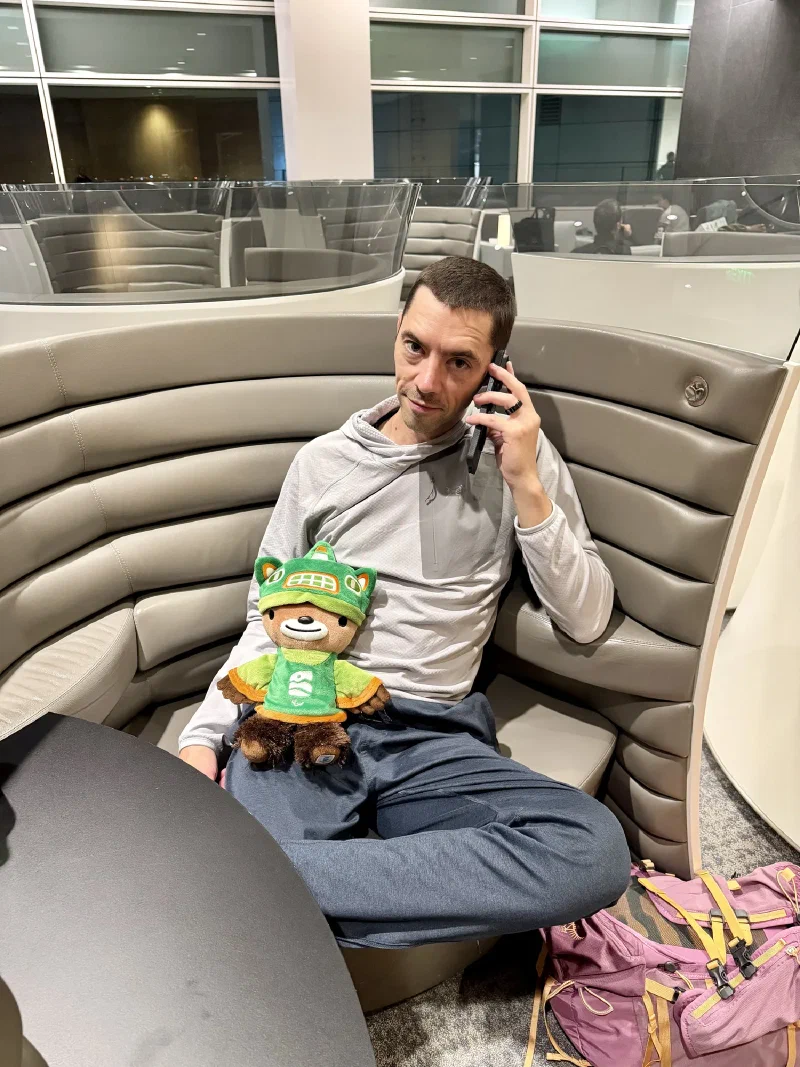
There was, naturally, another work call.
Nicholas, on a work call, in an airport, while traveling through Europe. Some things never change.
This photo does not capture what came next.
What came next was the worst airport experience we’ve ever had.
World Cup traffic had apparently broken the place. We ended up in a tiny terminal that was absolutely jammed with people. No lounge. No place to sit. Trash overflowing out of the cans and onto the floor. Hot, crowded, loud, understaffed, and full of sweaty drunk soccer energy.
It was vile.
By the time we finally got out, Nicholas had declared that he never wanted to come back to Munich again.
I assume this position will soften eventually, because the churches were dramatic, the gardens were civilized, and the food took its responsibilities seriously.
Munich had some excellent architecture, one aggressively competent church façade, a very respectable park, and a serious beer-and-meat program.
It also had World Cup chaos, crowd density beyond reason, and an airport experience that felt like a punishment.
So my official review is this: Munich was good in parts and deeply annoying in others.
Which, honestly, is more memorable than just being nice.
Also, for the record, this was not my first Munich layover. I already dealt with that back in 2012. Even then, I was not given my own seat on the plane. Some things improve. Some do not.
Next stop: Stockholm. Hopefully with fewer soccer mobs.