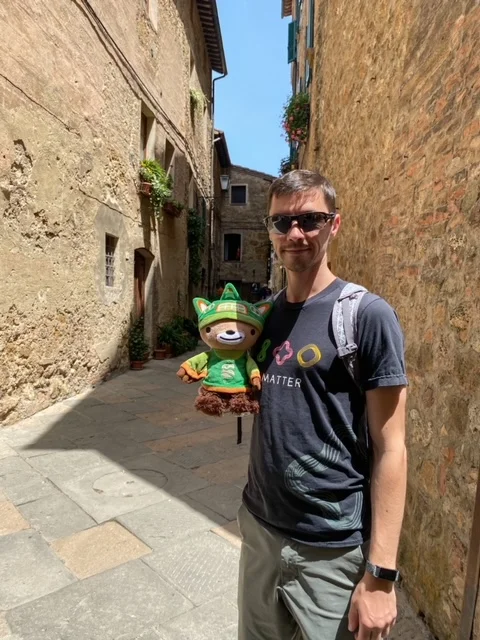
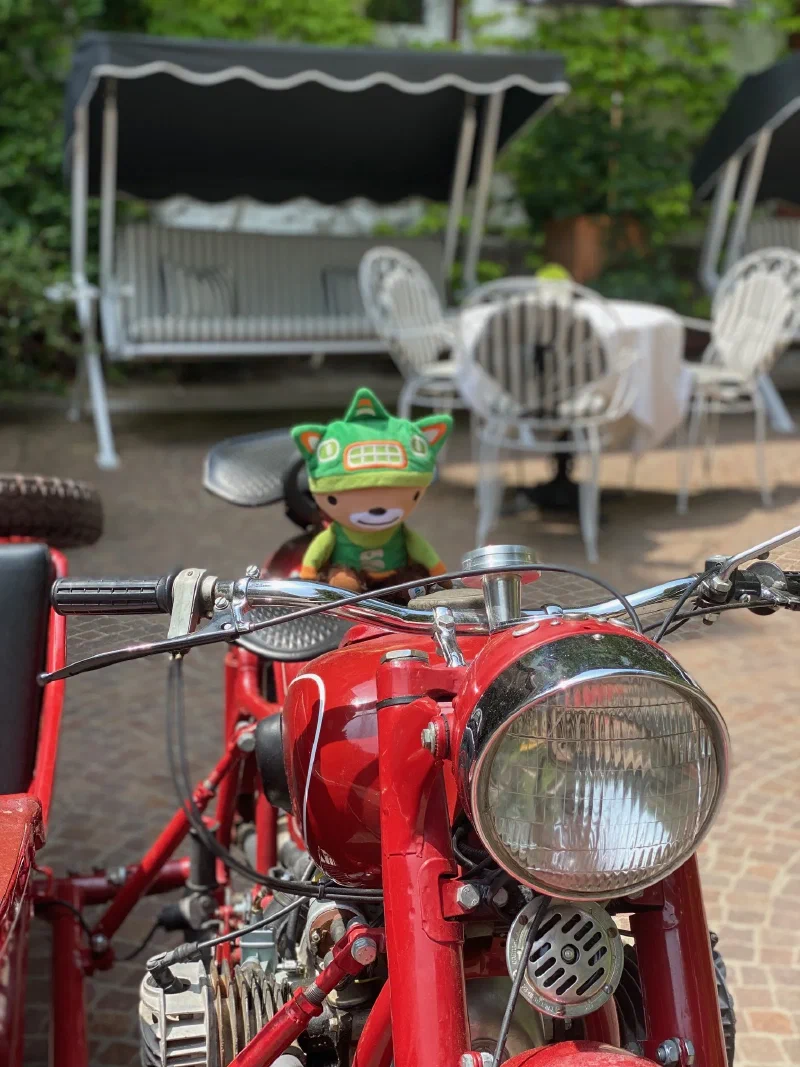
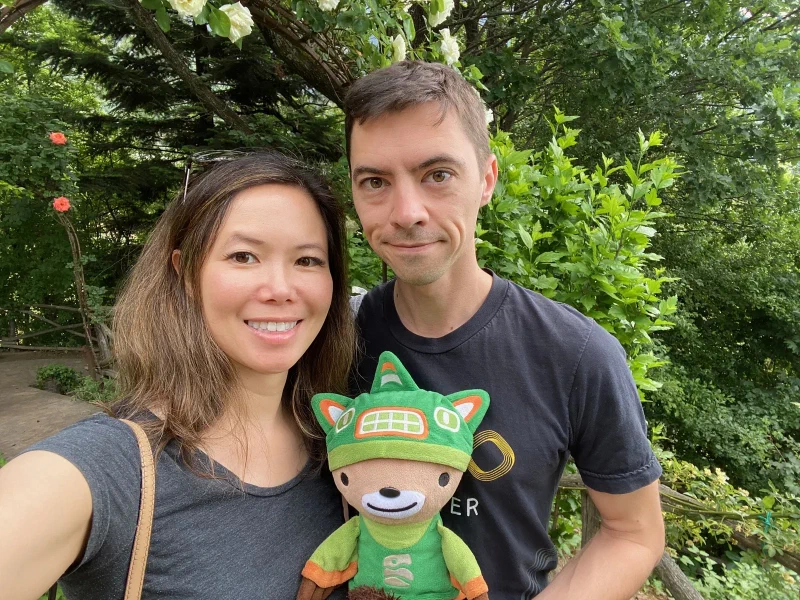
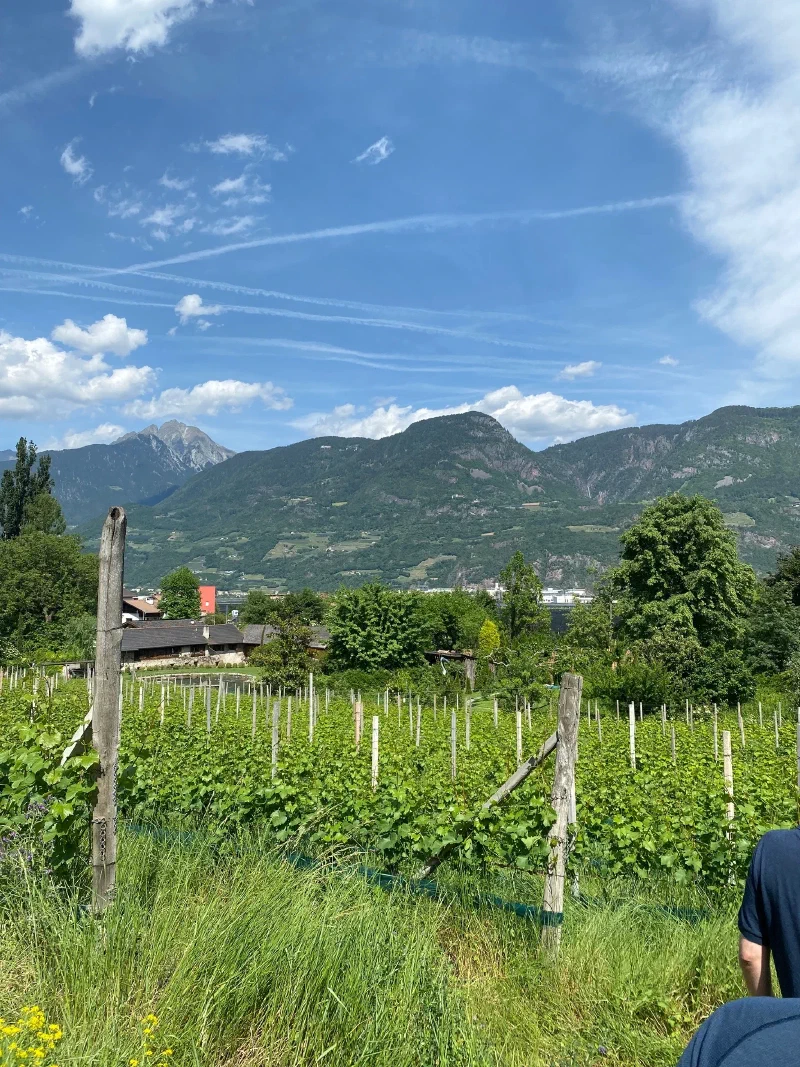
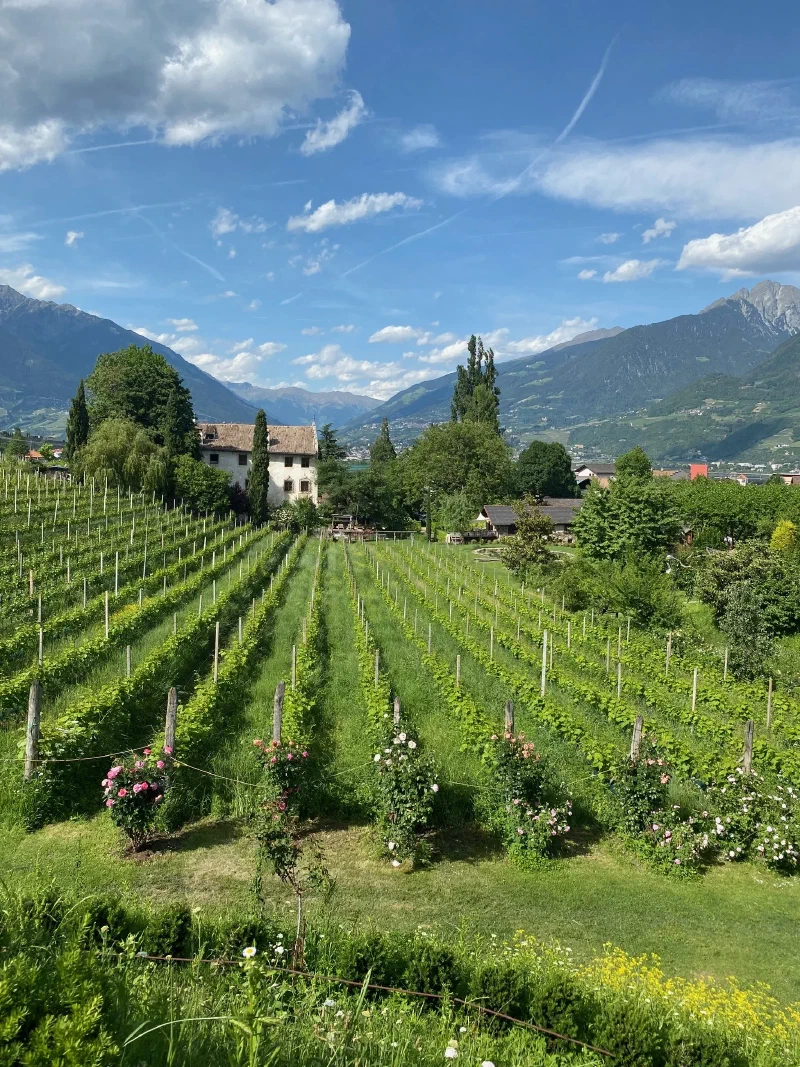
Tuscany day! Of course Pokin booked us another full day tour, so I was forced up at 7am along with everyone else for breakfast and to get on the road.
Turns out our car was stored halfway across the city, so they needed time to fetch the car for us. I could have slept more had I known this! Someone failed at planning.
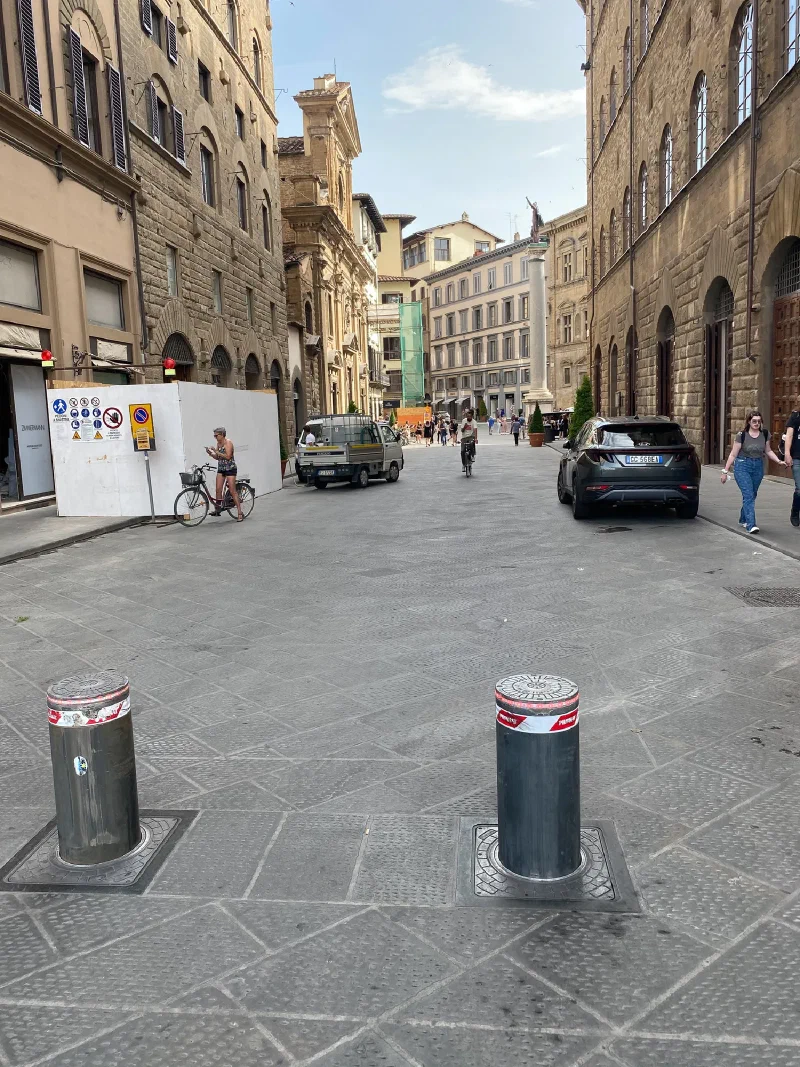
Some time that felt like 30 minutes later, the car pulled up in front of the hotel, and it was time to navigate out of Firenze. A little less stressful out than getting in. The bollards were down, so a few left turns and we were out of town (though it still gave us a scare to see the poliza with their lights on behind us.)
I was excited about Tuscany. I enjoyed my France trip to Provence 10 years ago and it felt like Tuscany would be similar.
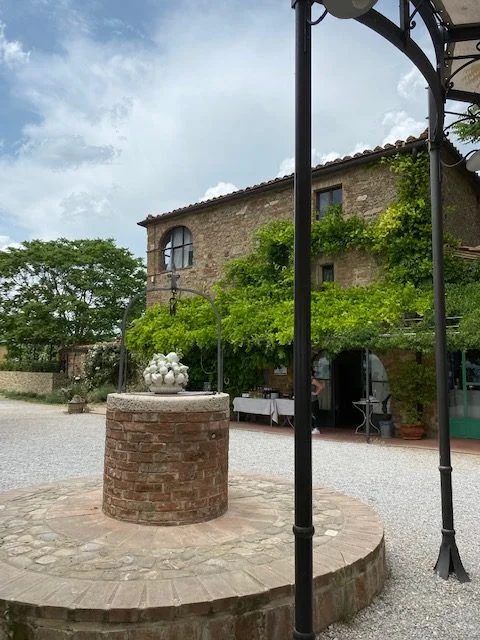
We were staying in a place called Villa Cicolina, and after a couple of hours on to the autostrada, we pulled up.
And we were all promptly glad we got the full deal on car insurance. The place was very lush, but they also left branches draped over the driveway. In fact, the bushes were so dense we weren’t sure at first if we had gone up the right street, and Nicholas had to very grumpily back down the driveway while the car proximity sensors beeped madly at us because the bushes were so close.
Eventually we arrived at the right front entrance, to the surprise of the owners.
“You’re here very early,” she remarked.
I agree, I thought. No one should be forced to travel this early.
“Oh it’s because we have a tour booked,” answered Pokin.
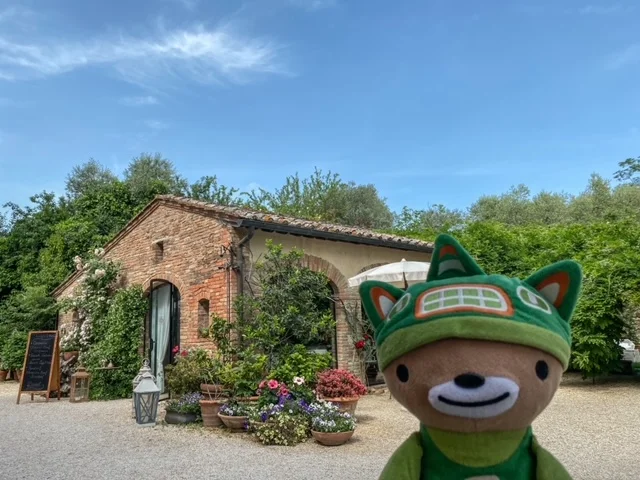
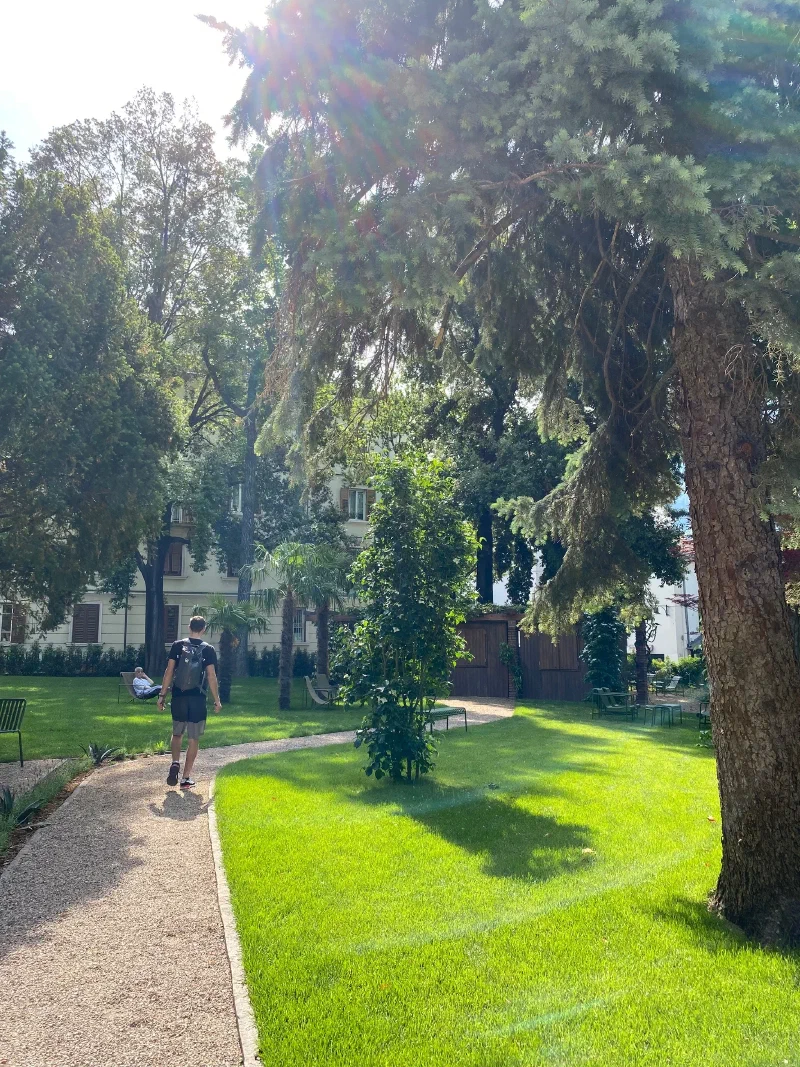
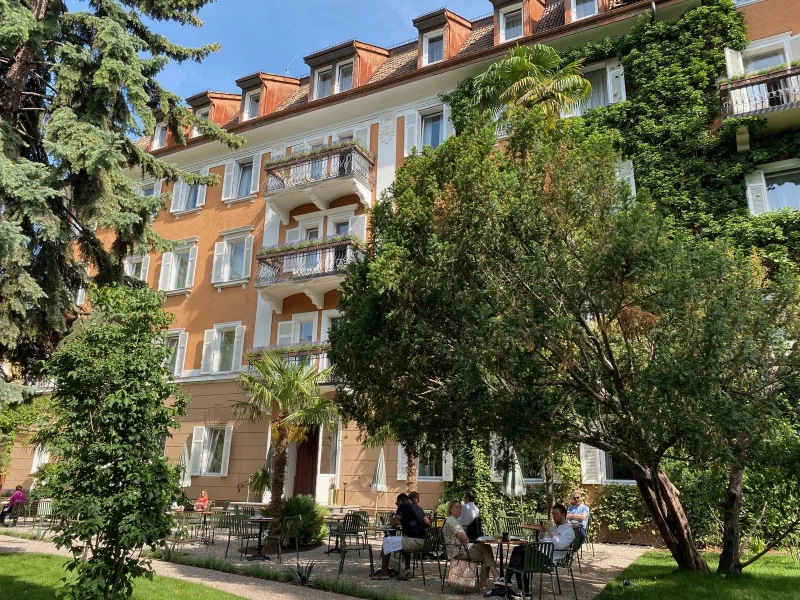
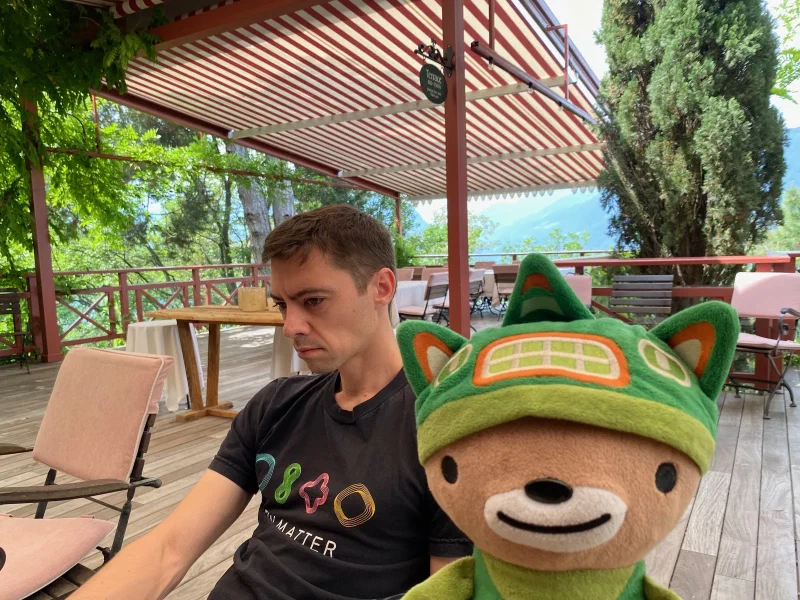
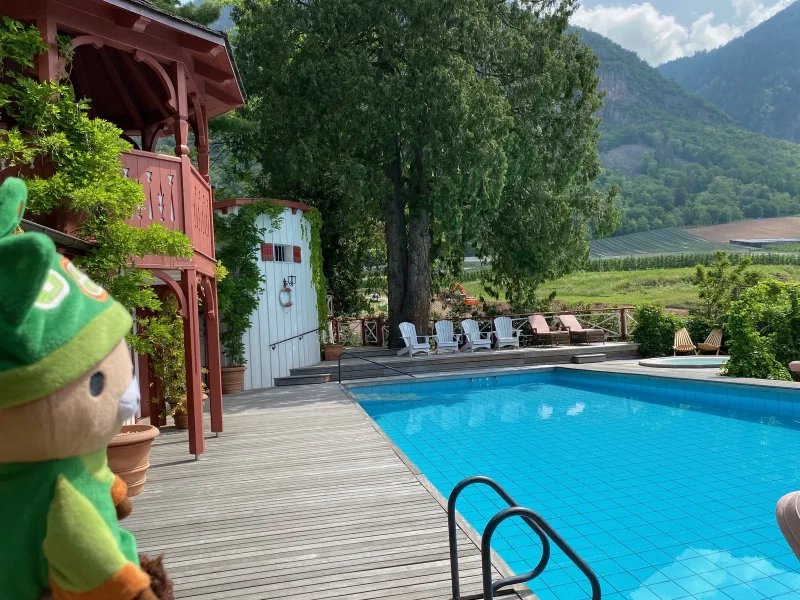
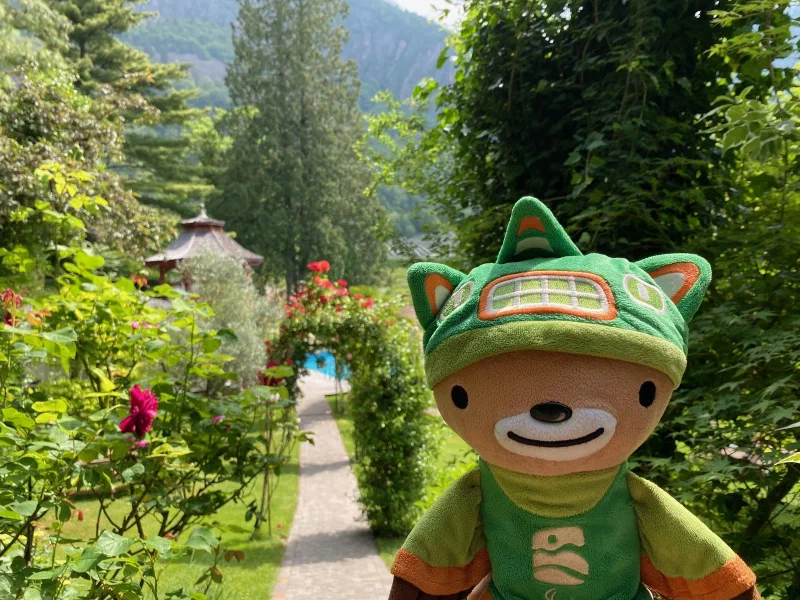
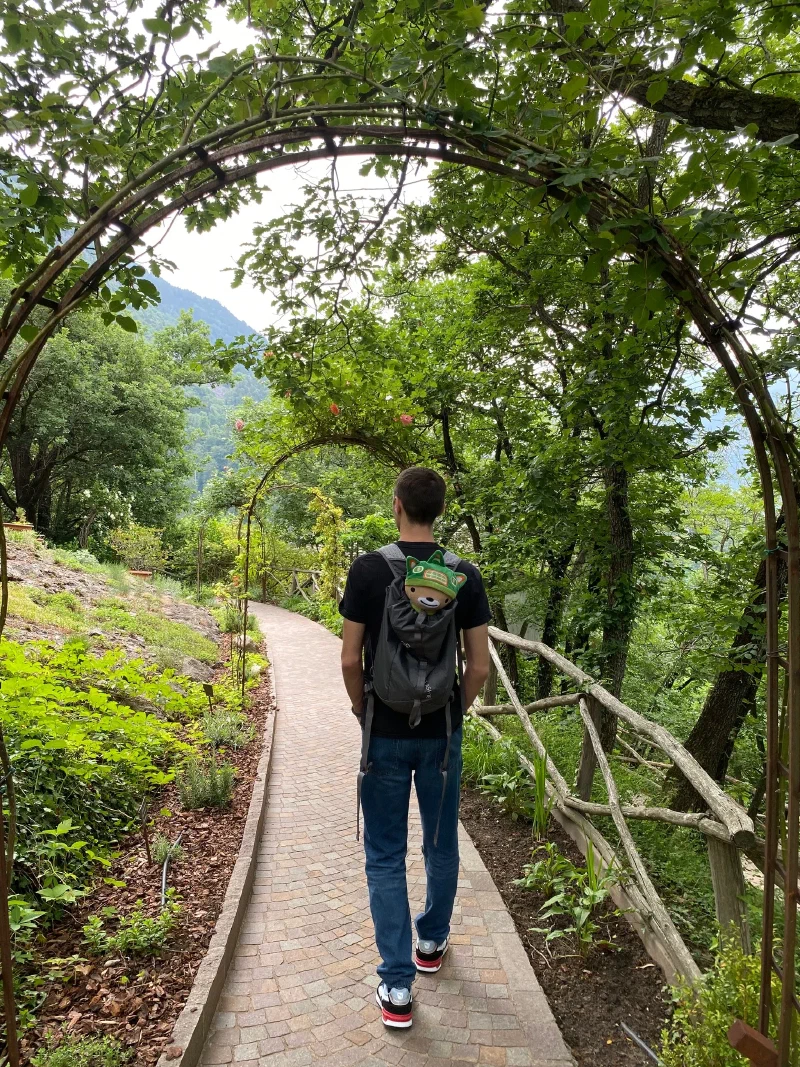
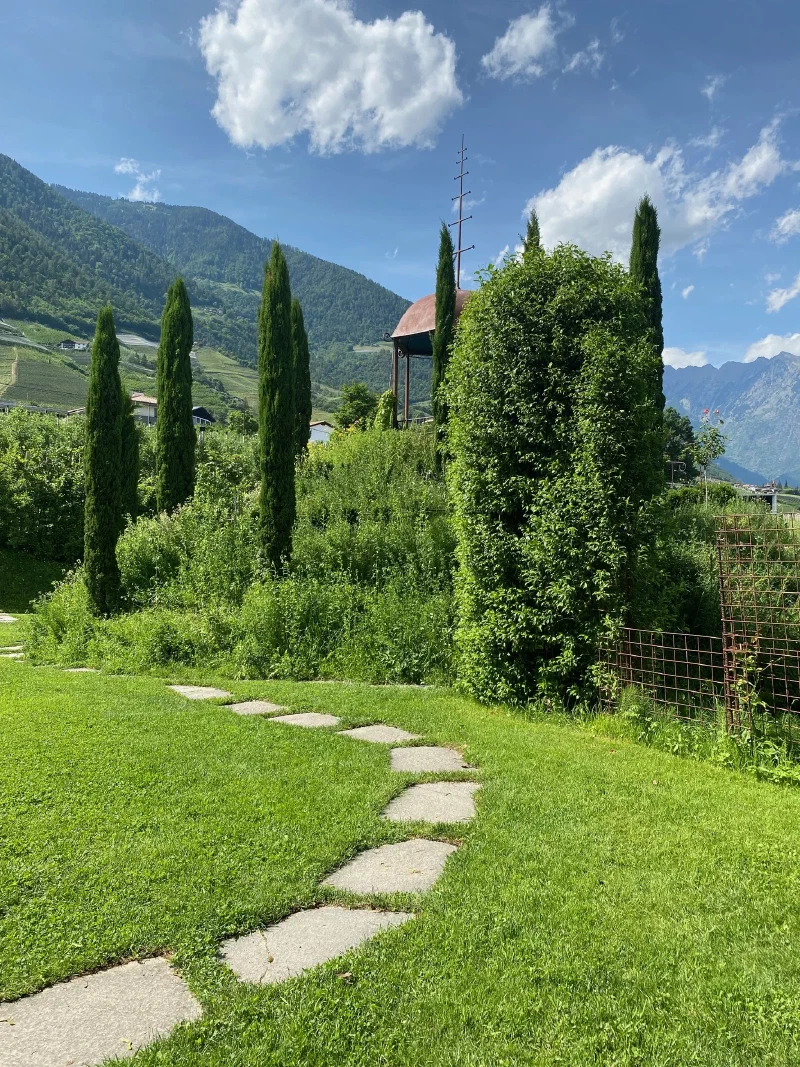
Our rooms weren’t ready, but we were able to leave our bags while I scouted the property. Definitely reminds me of our trip to France. Lots of flowers. Looks good.
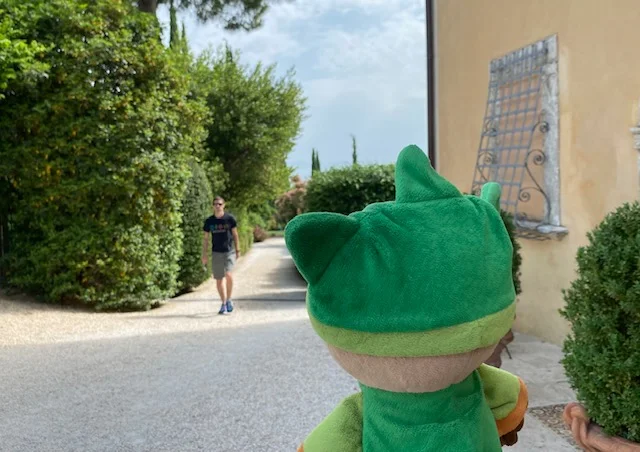
Nicholas parked the car in the parking lot down the street away from the bushy roads. I made sure to greet him on his return. He looked a bit grumpy.
Then it was time for our tour. Pokin booked a tour with a guide named Chiara from Montalchino Wine Tours. The itinerary was an olive oil tasting, a visit to a dairy farm, and a wine tasting. I wasn’t interested in any of those so I mostly planned to nap in the bag at first.
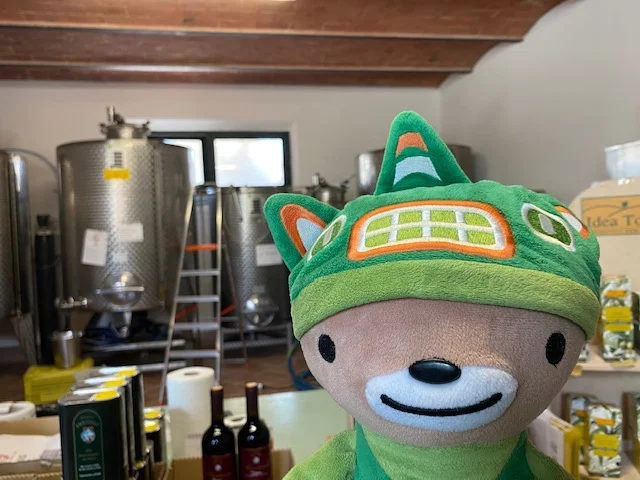
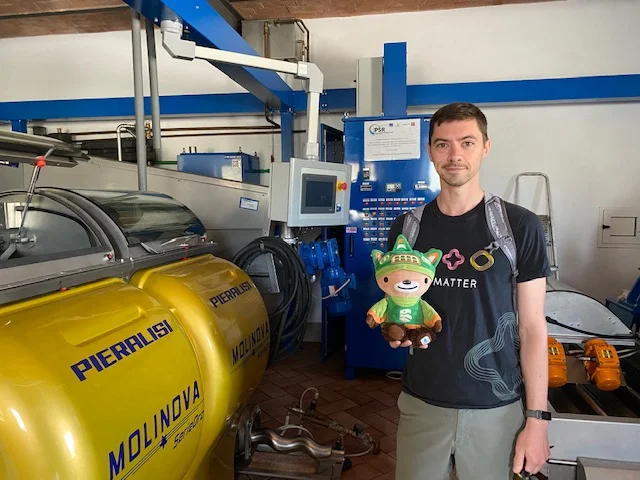
The olive oil place they stopped at was named Frantoio Fregoli. It was definitely not olive oil season so most of the machinery was disassembled, but the owner Francesco came by to give us an explanation of everything. He also showed us how the machinery worked. That got my curiousity piqued. I got out to take a look.
We learned that the highest quality olives are harvested around October when they are still green, and at time, only 10% yield is possible. But olive oil harvested then has the highest percentage of polyphenols. If you harvest closer to December, you can have a higher oil percentage but there is major flavour and polyphenols loss. Temperature too, affects the percentage and the ideal temperatures are between 10oC-27oC. Francesco walked us through their machinery designed to cool the production so that the temperatures never exceed 27oC.
We also learned that good quality olive oil starts to lose its number of polyphenols once opened. Try to use up your olive oil within weeks! Organic olive oil at the property had close to 800 polyphenols, whereas their regular olive oil had around 400. Every year, olive oil loses around 100 polyphenols. Finicky stuff!
Francesco demonstrated how to do a proper olive oil tasting (you want to draw air in through your teeth), and we learned that Tuscan Olive oil has a peppery bitter taste. We tried to buy some olive oil (still waiting to pay), and then we were on our way.
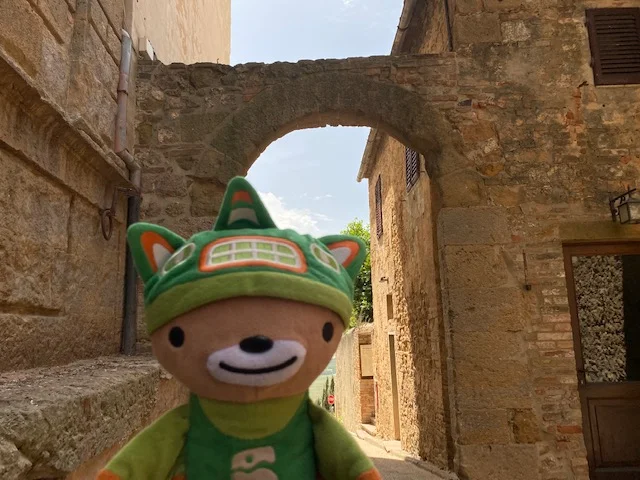
We had time to kill before lunch, so Chiara took us to Pienza. Unlike many of the other towns in the region, Pienza was built during peaceful times, so it didn’t have the typical fortifications common in the area.
Pienza as it looks now came to be thanks to Pope Pius II. Story has it that Pope Pius II was born in the region back when Pienza was known as a small village named Corsignano. He felt like as pope, he should come from a more beautiful and representative town for a pope, so he had Pienza rebuilt for use as his summer residence. Pienza, “city of Pius,” is known as an ideal Renaissance town, and was one of the first towns to apply urbanist planning concepts that were later applied to other cities across Europe. It also seemed to be the centre point for many spots around Tuscany. It was super hot and sunny so I wasn’t that up to explore, but we snapped a few photos before heading on to lunch.
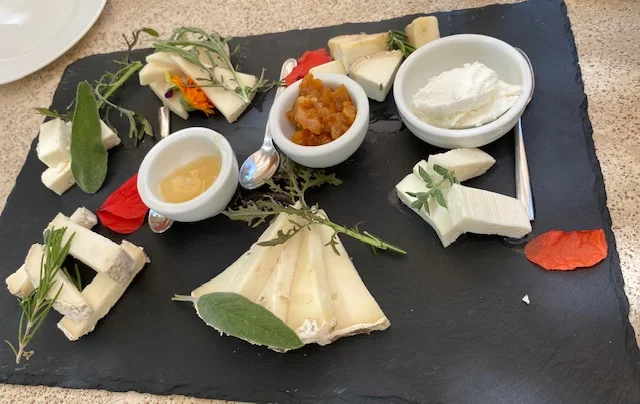
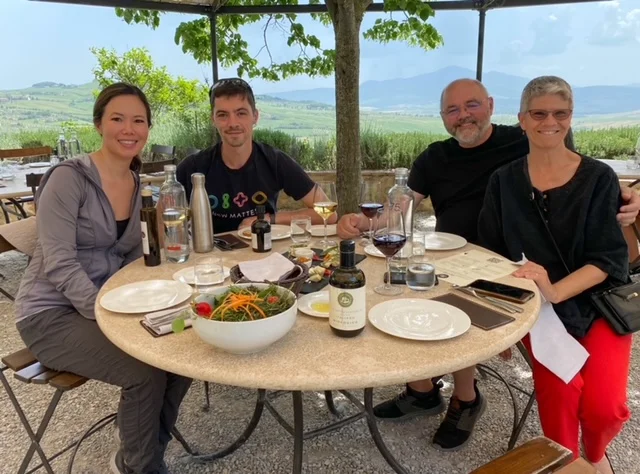
Our next stop was to Il Casale, a Dairy Farm that produced a variety of pecorino cheeses. This was when Pokin learned that Pecorino cheeses described any kind of sheep’s milk cheese.
Apparently cheeses were brought in by the Sardinians. Tuscany used to be a really cheap region, and so many Sardinians immigrated to the area, bringing along their cheese technique.
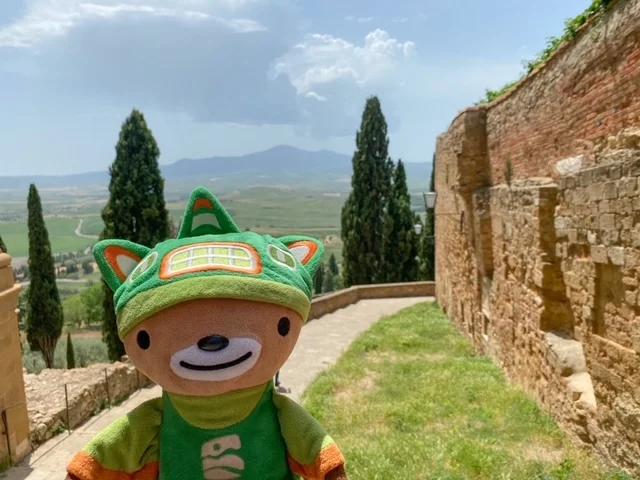
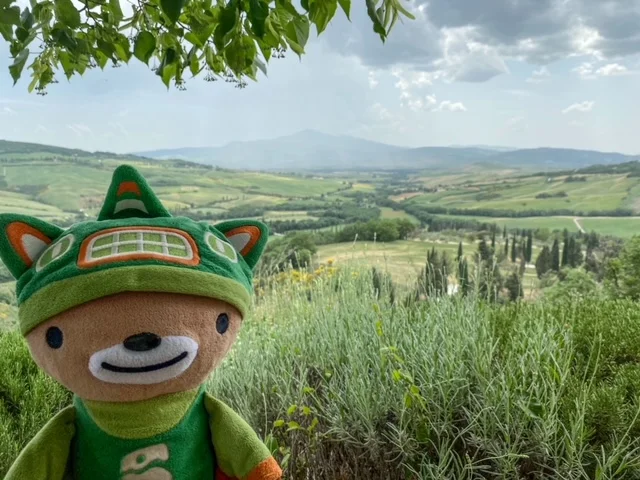
Il Casale was perched up on the top of a hill, with beautiful views of the surrounding countryside.
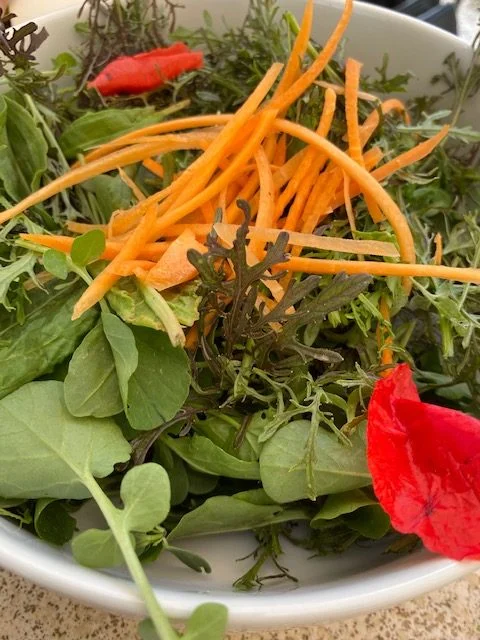
I was impressed. I got a few pics. Everyone sat to eat lunch. The food was good. For them. They liked some sort of salad leaf named mizuna (portaluca in english). I didn’t. I’m not a goat.
Then it rained. On all of us. I was less happy about that. This giant raindrop landed perfectly into Pokin’s espresso cup which splashed coffee all over her. That was a little amusing.
If you ever drive in Italy, you will encounter something called a Zona a Traffico Limitato. Traffic-restricted zone. Basically, the historic city centers are off-limits to cars unless you have a special permit. They enforce this with cameras and, in some cases, retractable metal bollards that rise out of the ground like tiny angry sentinels.
Keep that in mind.
So we’re driving into Florence. The hotel has given us these elaborate instructions involving pulling up to a specific spot and calling the front desk. It’s in a ZTL. We navigate to where we think we’re supposed to be, and drive through what we think is the entrance.
And then, behind us, the bollards go up.
These things. These sneaky metal pillars of doom.
We are now trapped inside the locals-only streets of historic Florence with no way out. The bollards require some kind of resident access to lower. We do not have resident access. We are tourists in a rental car who just accidentally infiltrated a pedestrian zone.
We call the hotel. The man on the phone is genuinely confused by how we got inside. Apparently an emergency vehicle had just driven through seconds before us, and the bollards hadn’t risen back up yet. We slipped in behind it like the world’s most accidental car thief.
The hotel sent someone to collect the car and spirit it away to wherever it was supposed to be. Which, honestly, was probably where we were anyway. The whole thing took about fifteen minutes and felt like a heist movie where we were the incompetent criminals.
Welcome to Firenze.
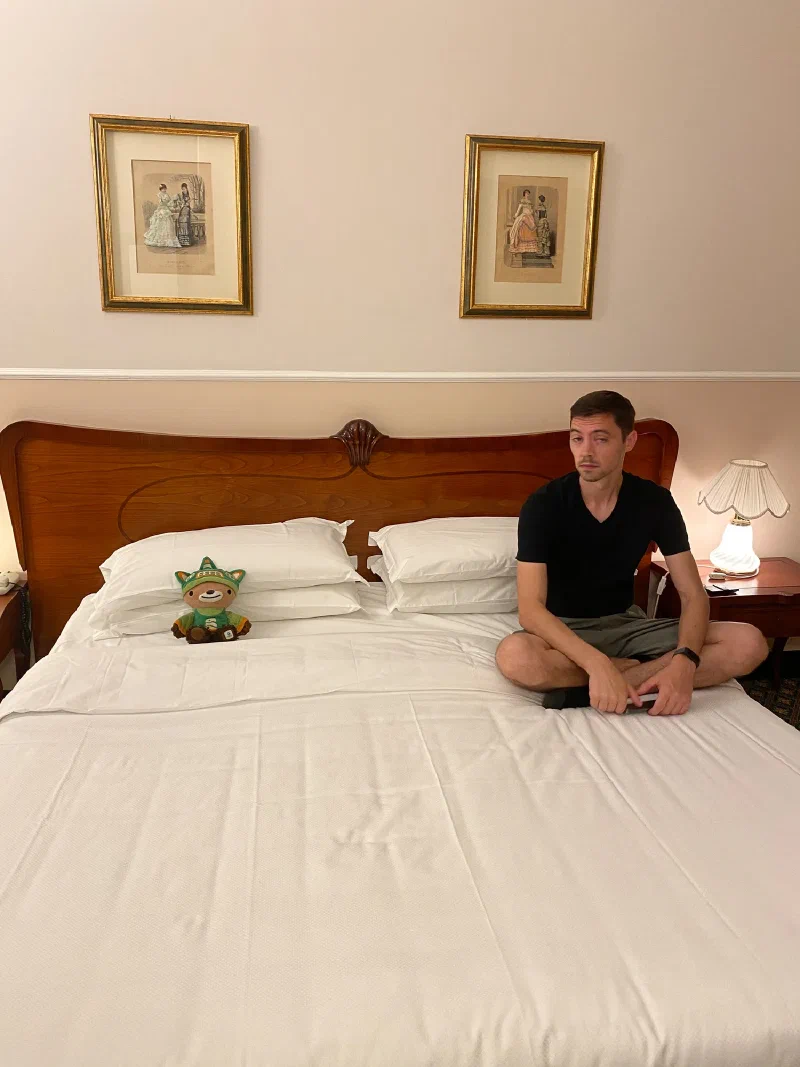
The hotel itself was one of those places that’s been decorated by someone who believes “too much” is a starting point. An art hotel. Every surface had something going on.
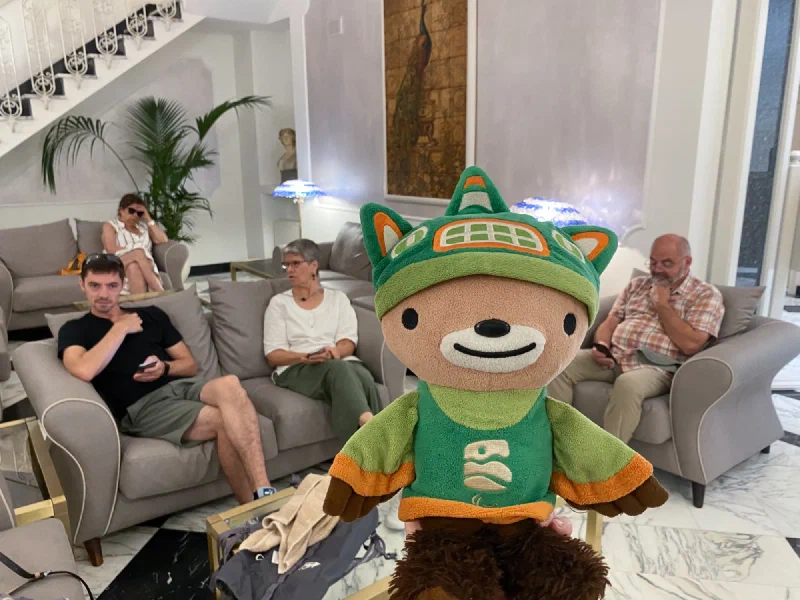
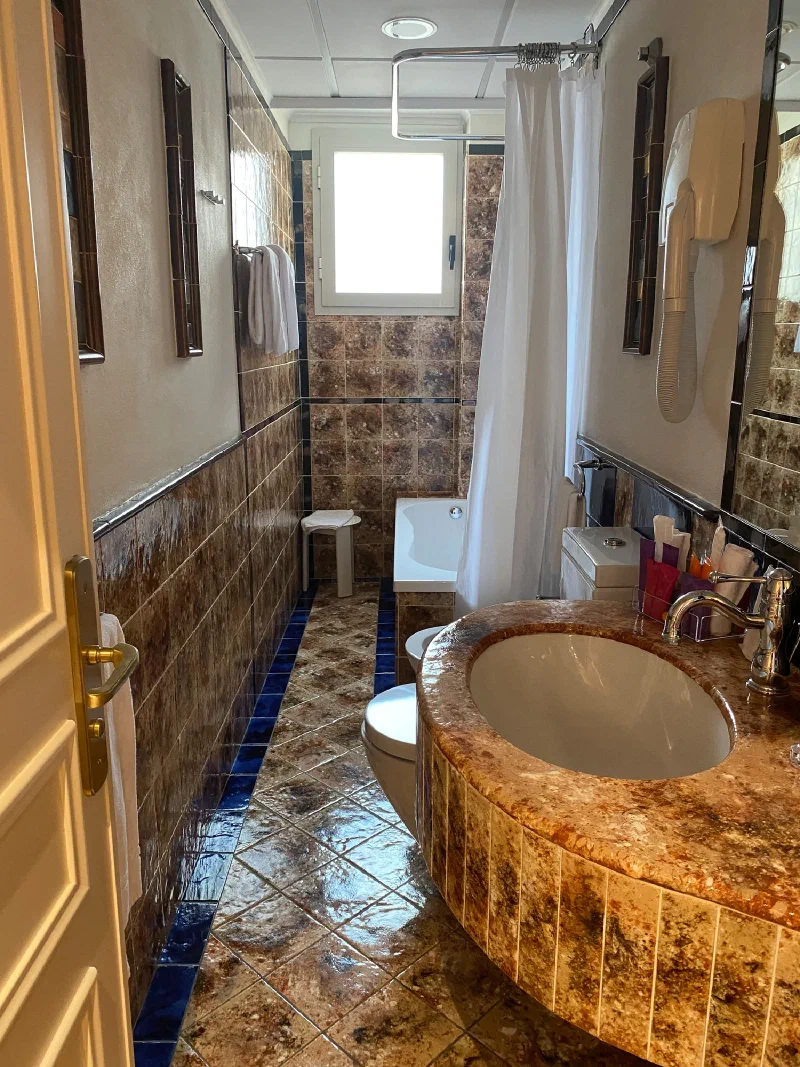
Checking in. The lobby was reasonable. The bathroom was not.Nicholas and Pokin’s bathroom. Every. Single. Surface. Tiled.
The bathroom in Nicholas and Pokin’s room looked like someone had a tile budget they needed to burn through by Friday. Floor tiles. Wall tiles. Ceiling tiles, probably. I half expected the towels to be tiles.
It was a lot.
For our day in Florence, Nicholas had done something unusually civilized. He’d hired an actual art historian to give us a private guided tour. This was going to be the “art and culture” day. Which, for a bear who mostly cares about gaming and cocoa, sounded like a lot of standing around looking at paintings.
It was actually pretty good.
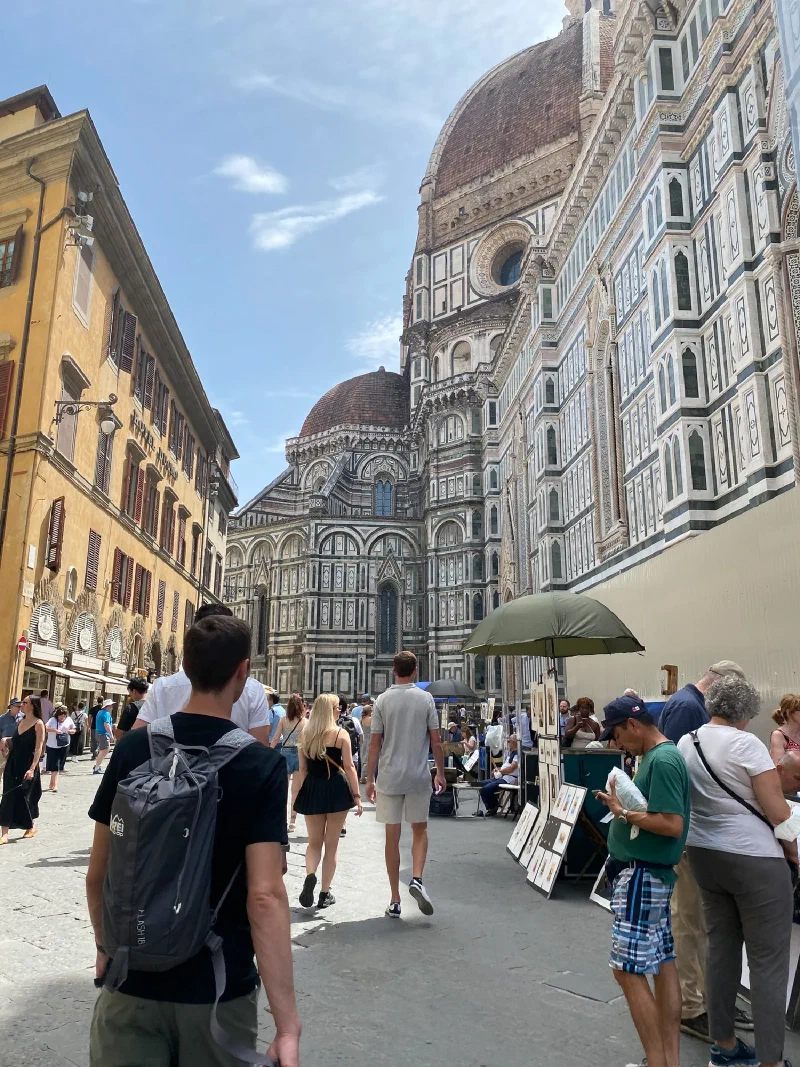
Approaching the Duomo through a gauntlet of watercolor painters.
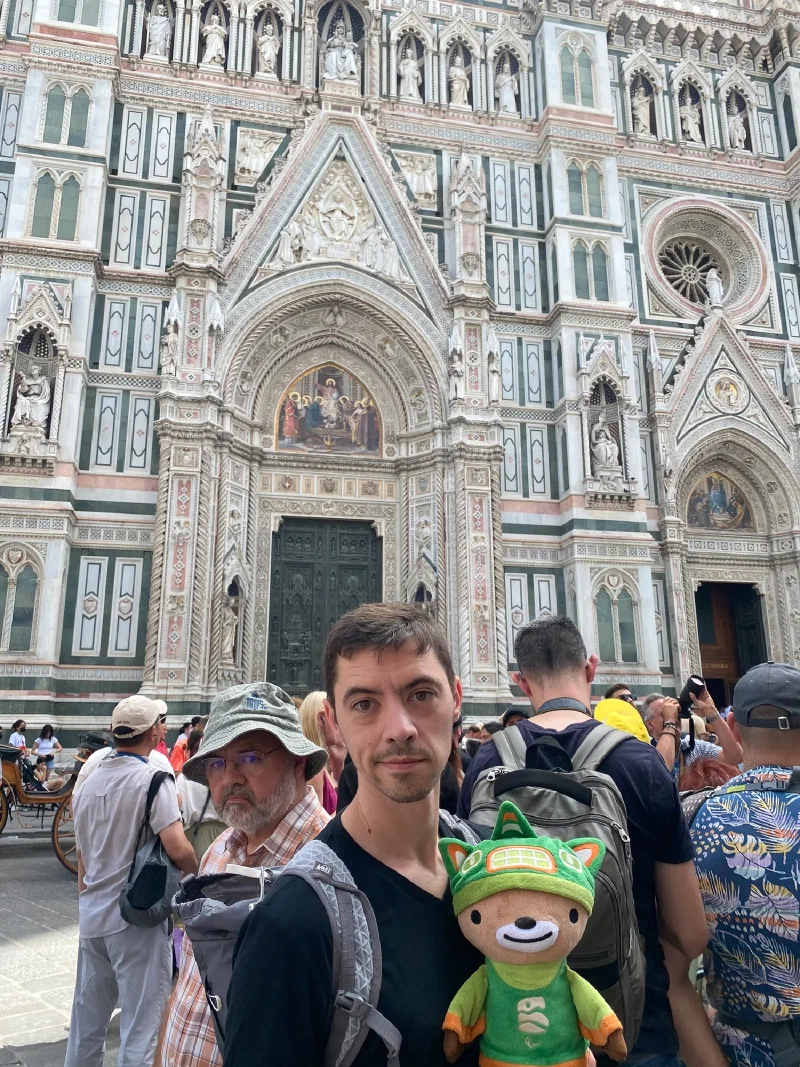
The Duomo is one of those buildings where you turn a corner and it just fills your entire field of vision. You can’t take it all in. It’s too much marble, too many colors, too much detail. It’s like someone rendered a cathedral at maximum settings and forgot to optimize.
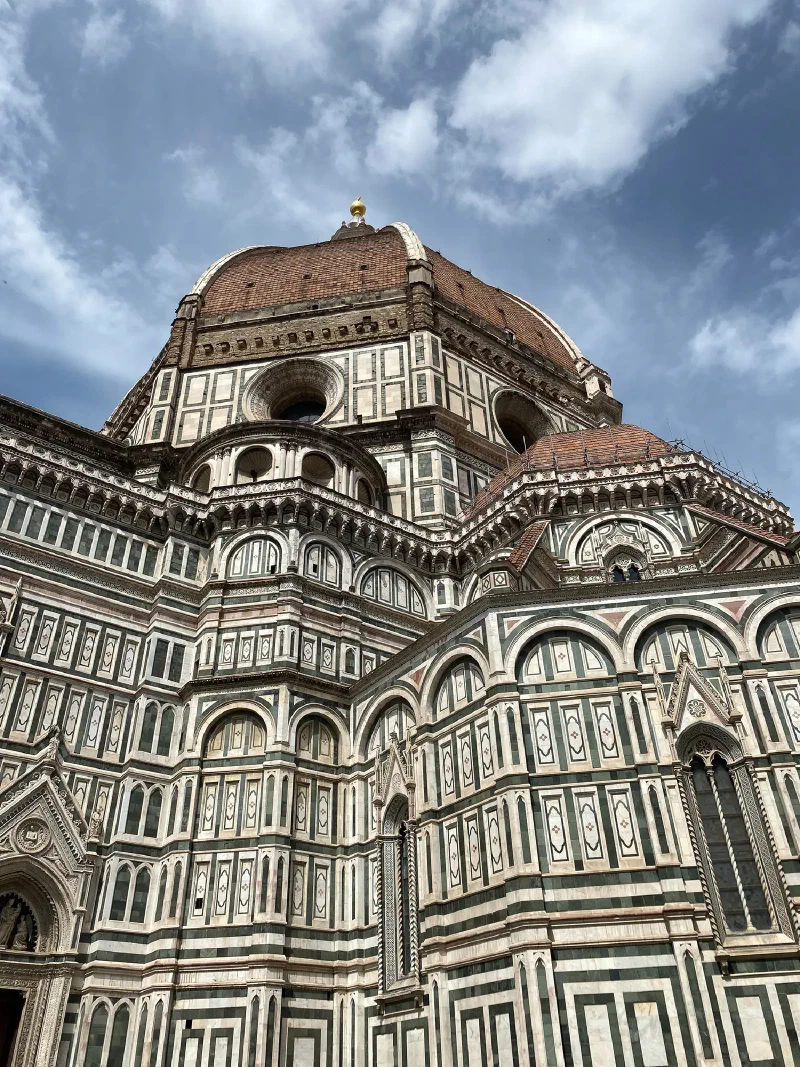
The Cattedrale di Santa Maria del Fiore. It has a name, but everyone just calls it the Duomo.
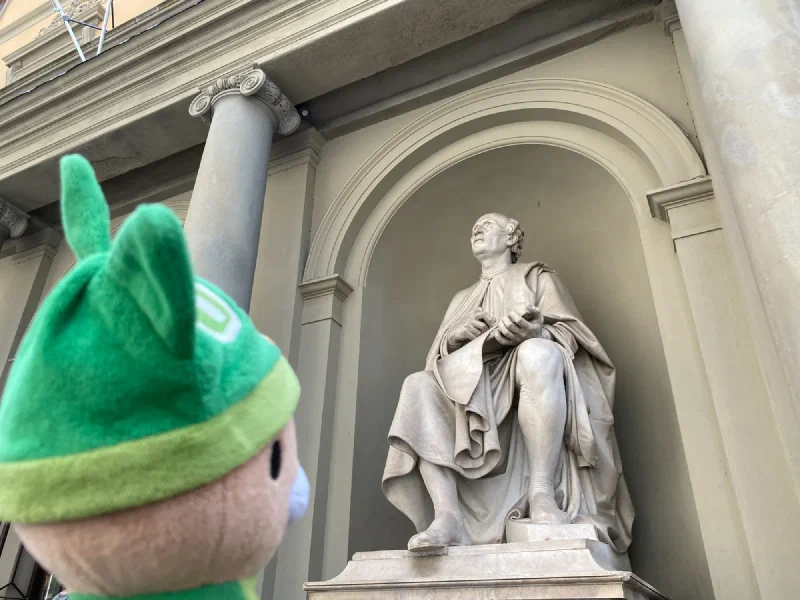
Brunelleschi’s dome. Built in 1436. Still the largest masonry dome ever constructed. The man figured out how to build it without scaffolding, which is the kind of flex that doesn’t get old even after six centuries.
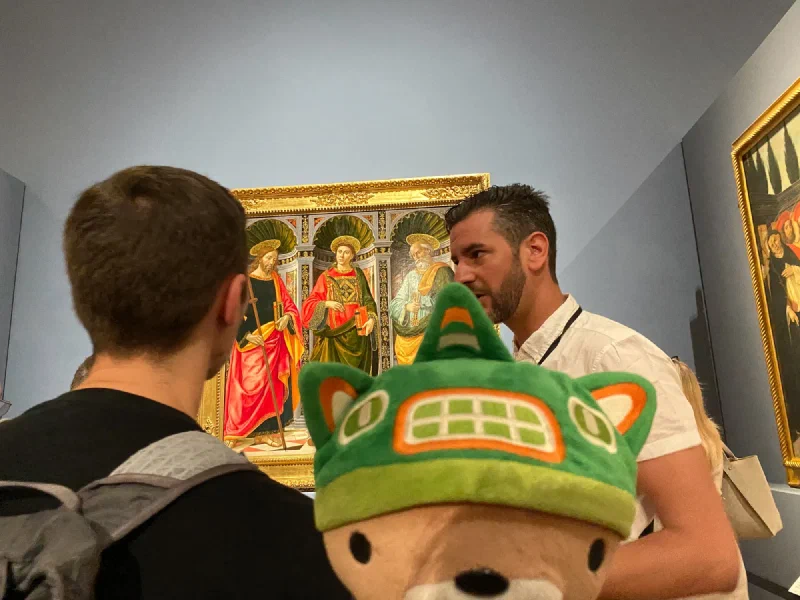
Our guide walked us through the piazzas explaining things I would absolutely forget by dinner. But in the moment, it was genuinely interesting. He knew the stories behind the statues, which families hated each other, who commissioned what to spite whom. Italian history is basically centuries of rich people being petty with marble. I respect that.
Studying the masters.
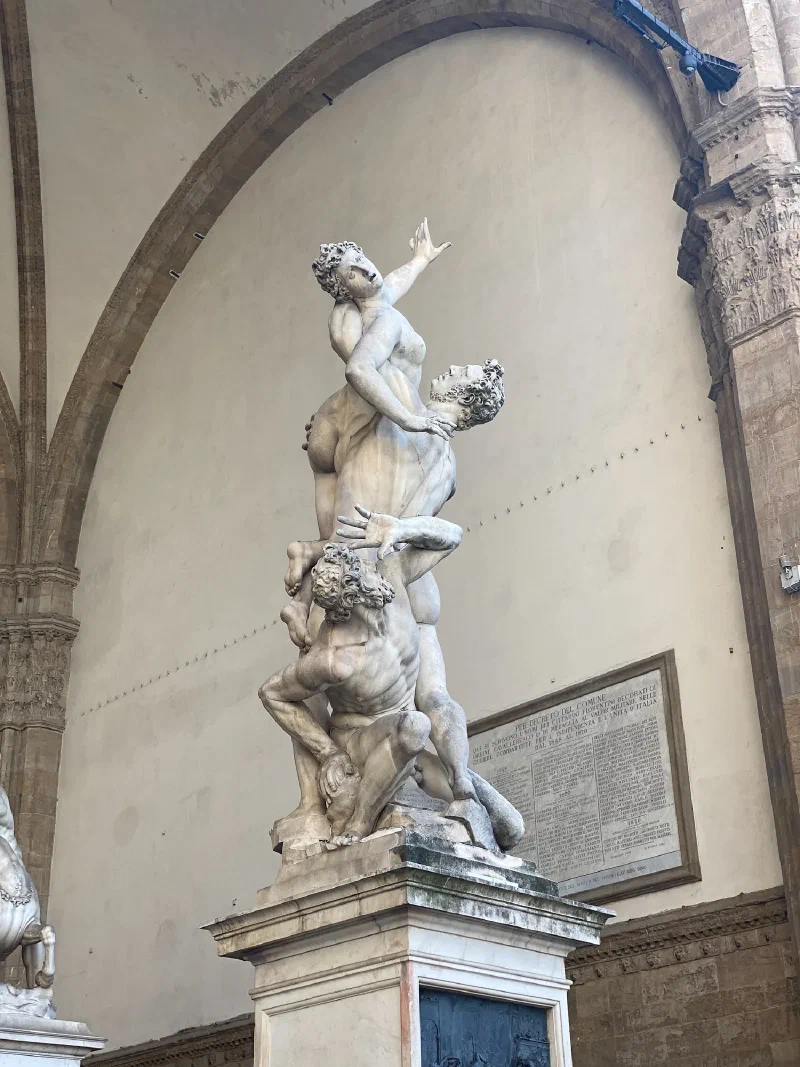
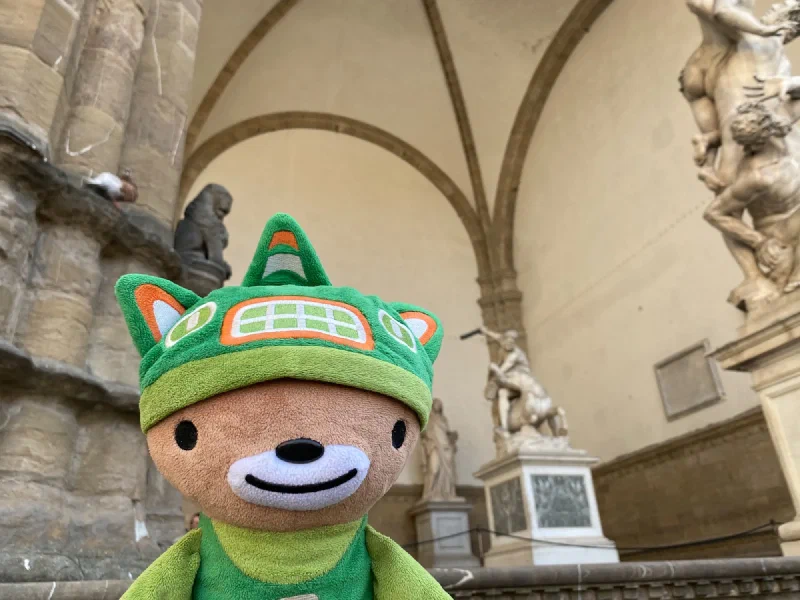
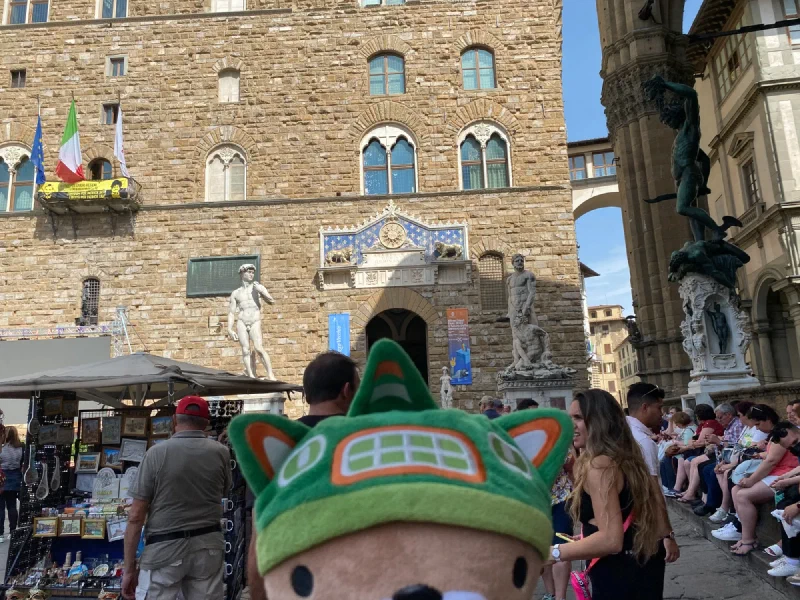
The Loggia dei Lanzi is basically a free outdoor museum in the middle of Piazza della Signoria. Just world-class Renaissance sculptures sitting out in the open air, free to look at. No ticket, no queue. This is the kind of energy all museums should have.
Piazza della Signoria. My kind of piazza.
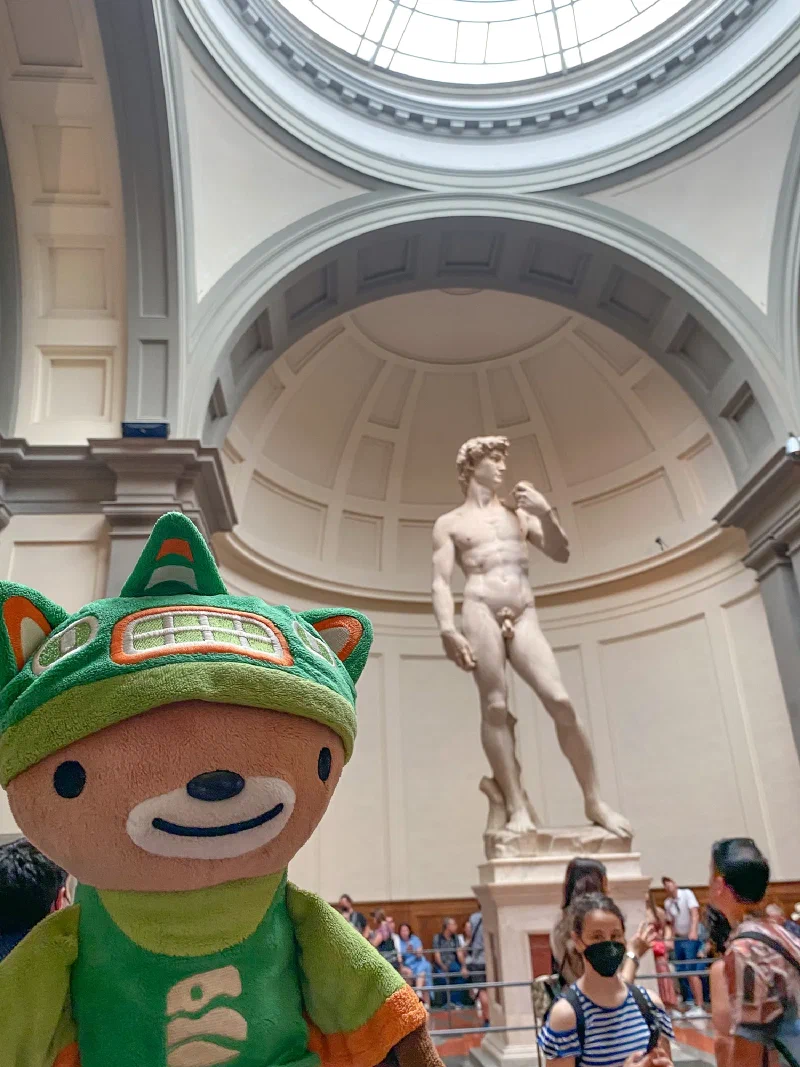
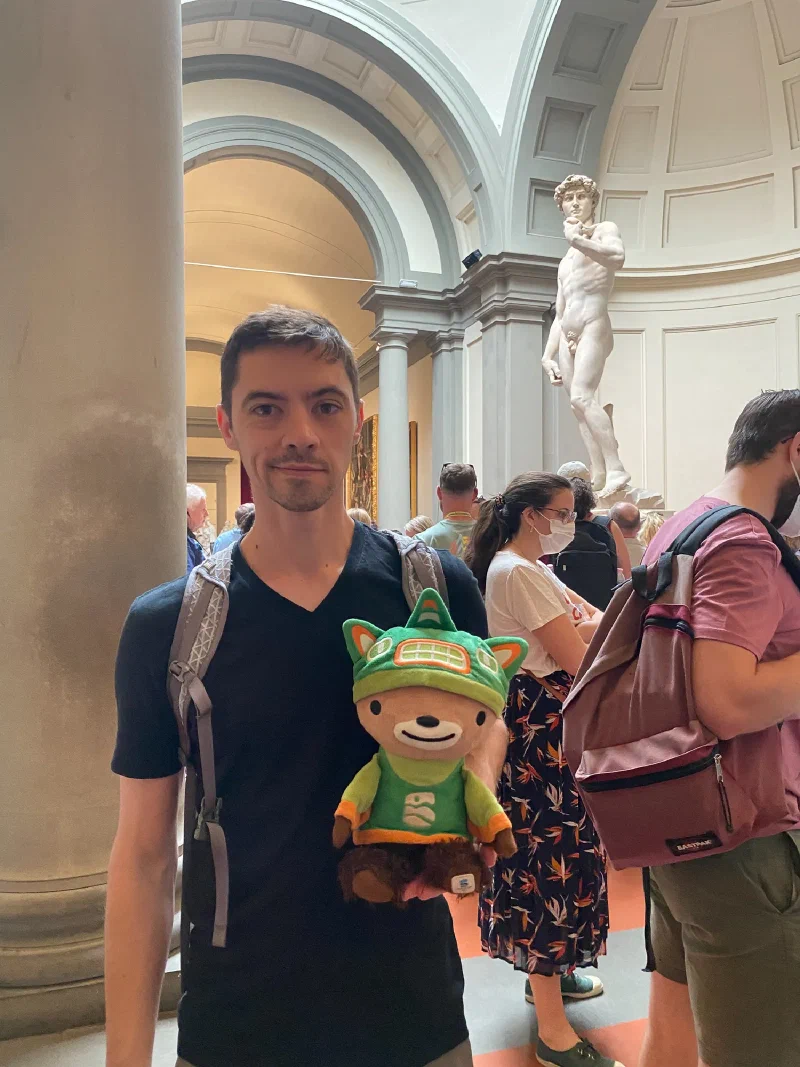
Then we went to see David.
Not a David. THE David. Michelangelo’s. The one.
I will say this: photos don’t prepare you. You walk into the Galleria dell’Accademia, you go down a hallway, and then there he is at the end of it, seventeen feet tall, lit from above, standing in his own domed alcove like he owns the building. Which, let’s be fair, he does.
Seventeen feet of Carrara marble. Not bad.
The detail is absurd. The veins in his hands. The tension in the pose. Michelangelo was 26 when he finished this thing, carved from a block of marble that two other sculptors had already given up on. My only critique is that it isn’t a sculpture of a bear.
Our art historian in his element.
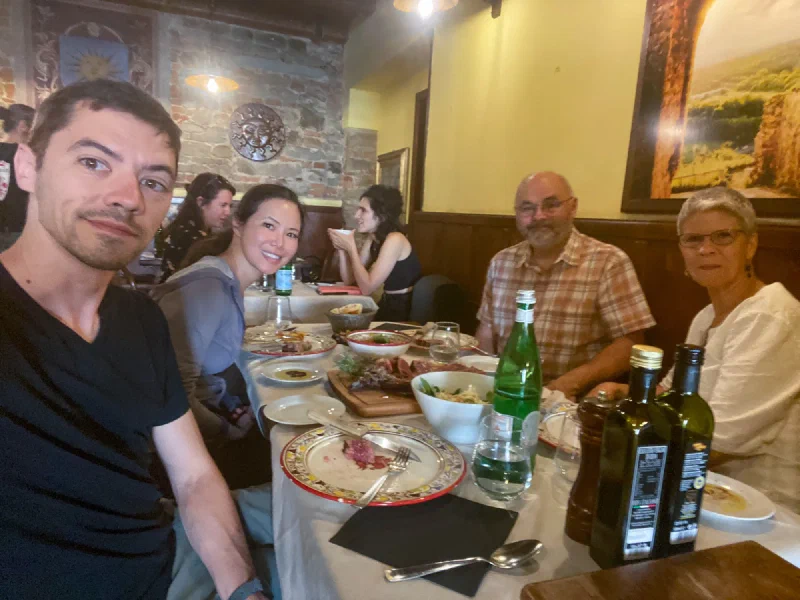
After the morning of culture, we stopped for a proper Florentine lunch. A rustic trattoria, long table, the works.
Lo Scudo. The guide’s pick. Not optional.
The guide marched us to Lo Scudo on Via dell’Oriuolo, near the Duomo, and informed us that we would be ordering the pappa al pomodoro. Not suggested. Informed. It’s a traditional Florentine bread soup and apparently the only acceptable lunch for someone visiting Florence under the supervision of an art historian. He also insisted on the bistecca alla fiorentina — a massive T-bone from Chianina cattle, grilled rare, sliced on a board, and shared at the table. It’s the signature dish of the entire city. The steak is so important to Florence that they sell it by weight and will look at you funny if you ask for it well done. Our guide said something to the effect of “you do not cook a Chianina past pink, it is disrespectful.” Fair enough.
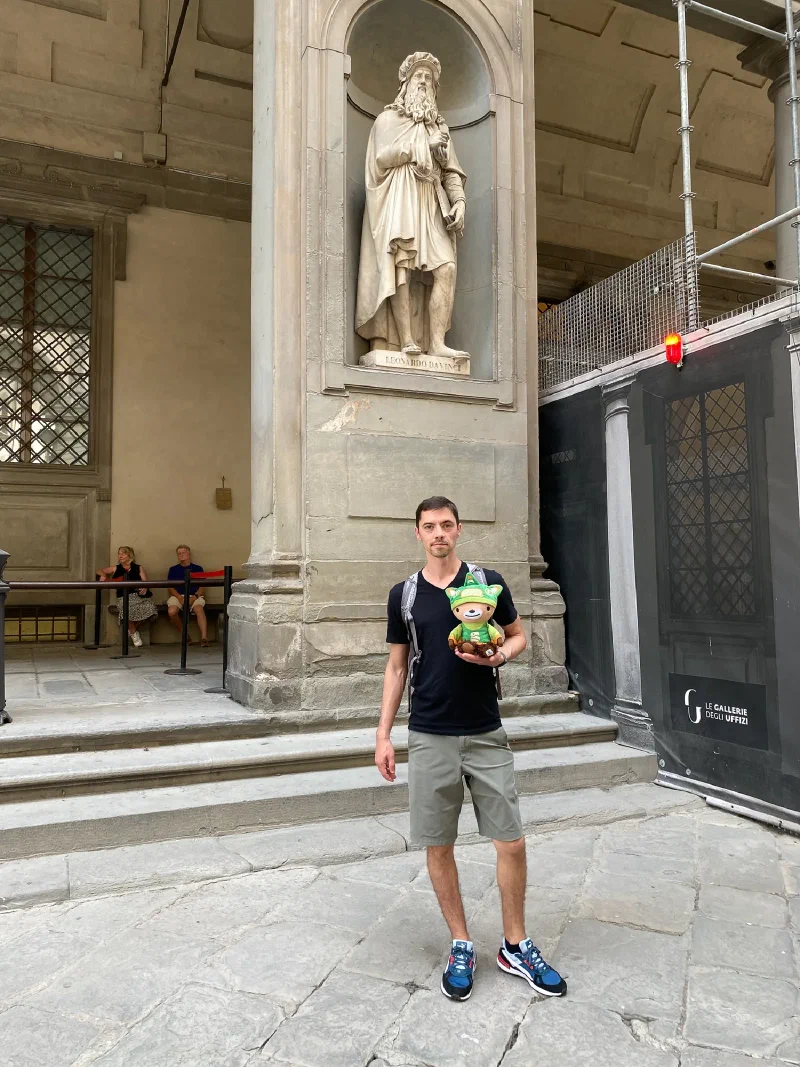
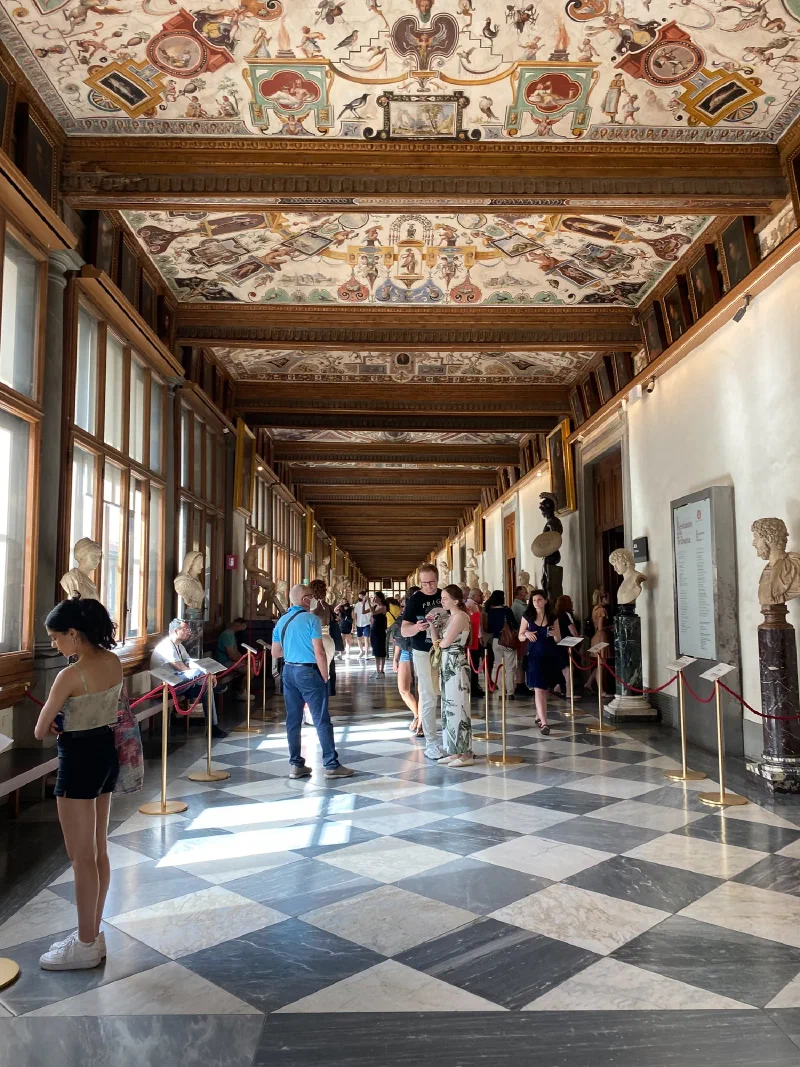
The Uffizi was next. One of the most famous art museums in the world. Home to Botticelli’s Birth of Venus, works by Raphael, Caravaggio, Titian. The kind of place where you walk past a painting worth millions and barely notice because there are forty more behind you.
Standing with Leonardo. He had good taste in subjects.
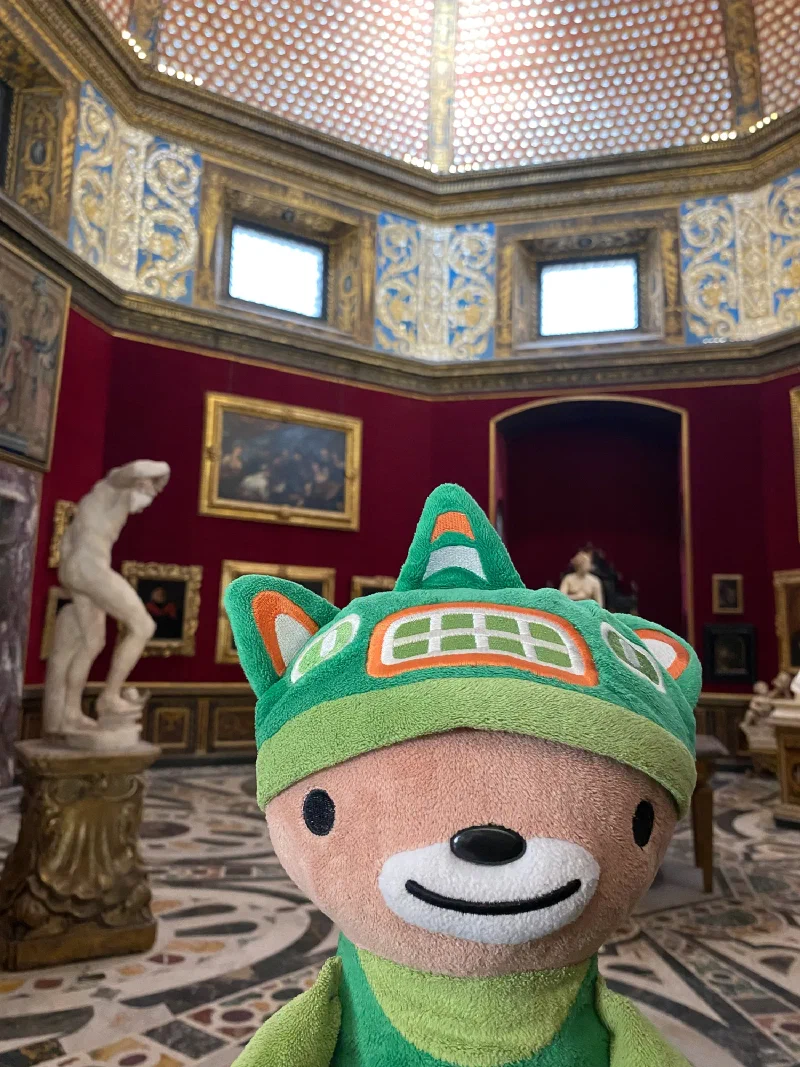
The Tribuna. Red walls, marble floors, Renaissance masterpieces. Somebody knew how to decorate a room.
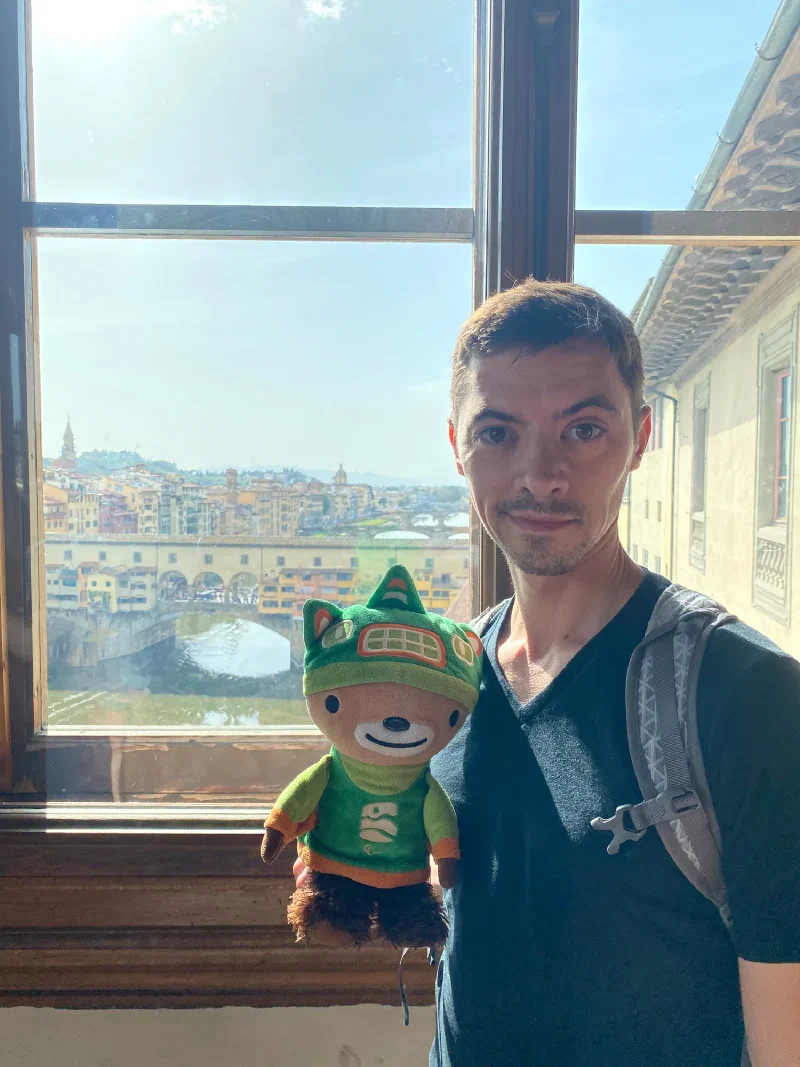
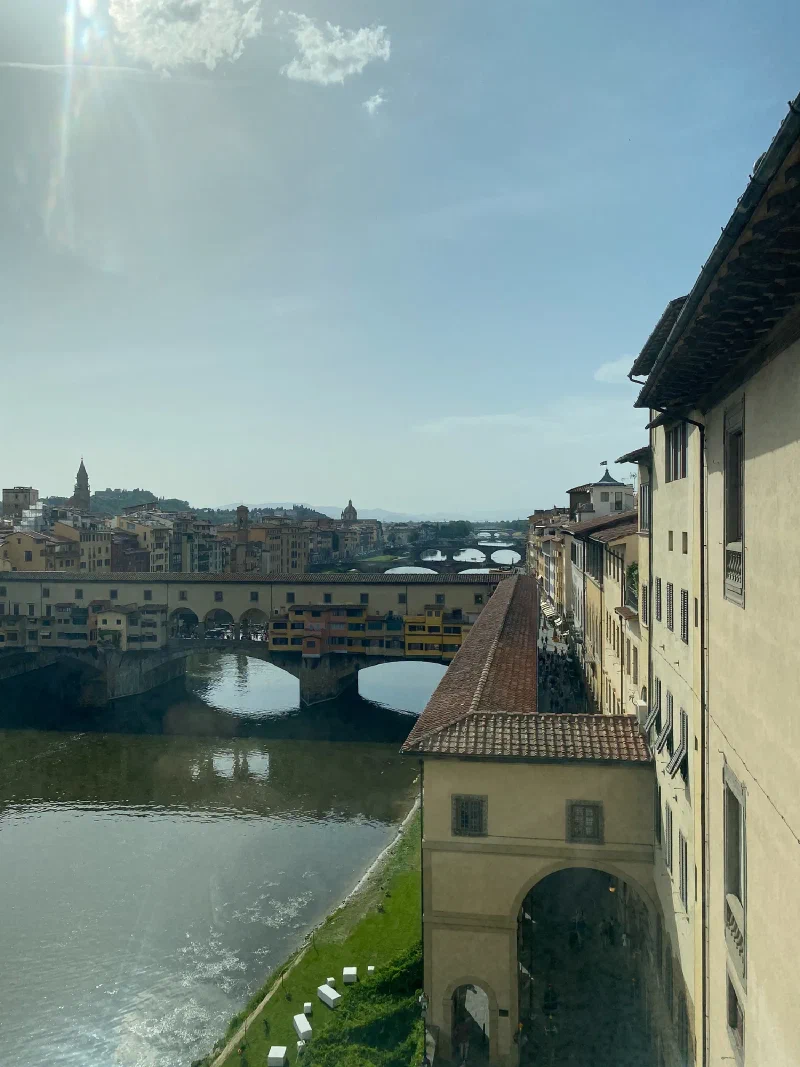
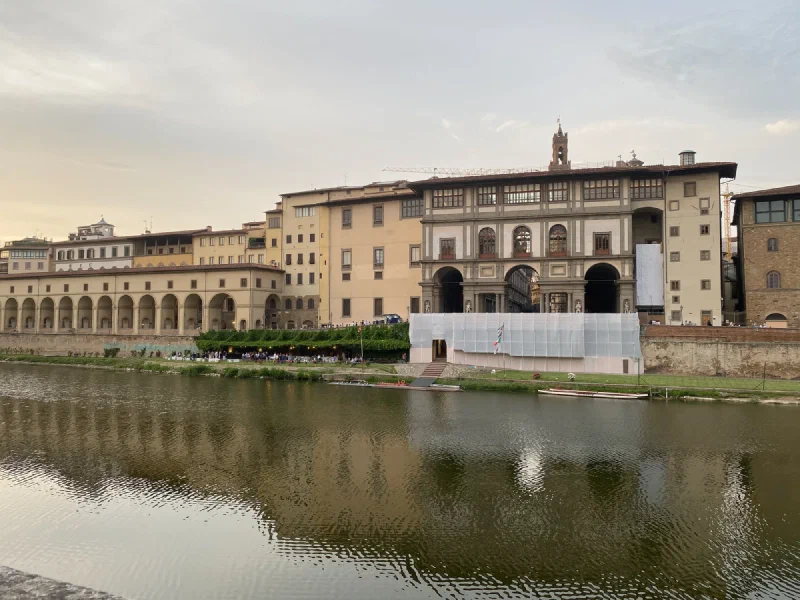
The Uffizi has this corridor with windows overlooking the Arno and the Ponte Vecchio, which means you’re trying to appreciate priceless art while also wanting to stare out the window like a kid in school. I stared out the window.
The view from the Uffizi. Slightly distracting.
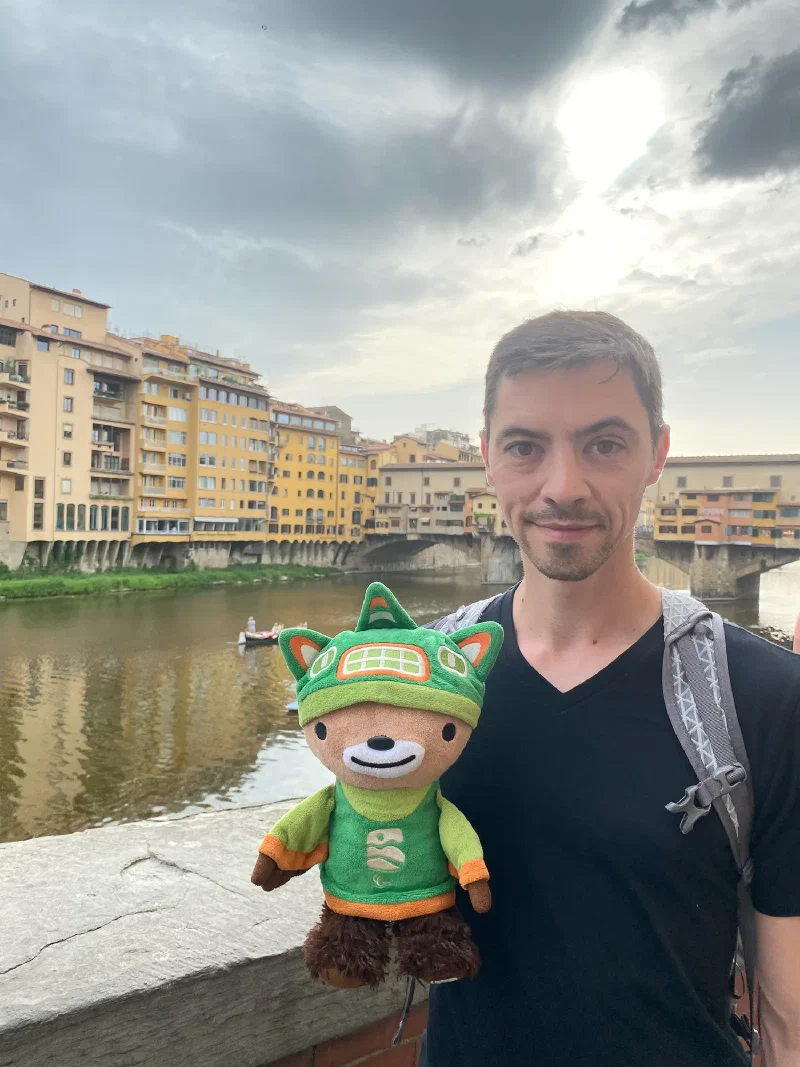
The Ponte Vecchio. Bridge full of jewelry shops. Been there since 1345. It’s the only bridge in Florence that the Germans didn’t blow up in World War II because apparently even Nazis had aesthetic limits.
After the museum tour, Bob and Jane split off to do their own thing, and Nicholas and Pokin went to find dinner. They found it in a tiny alley.
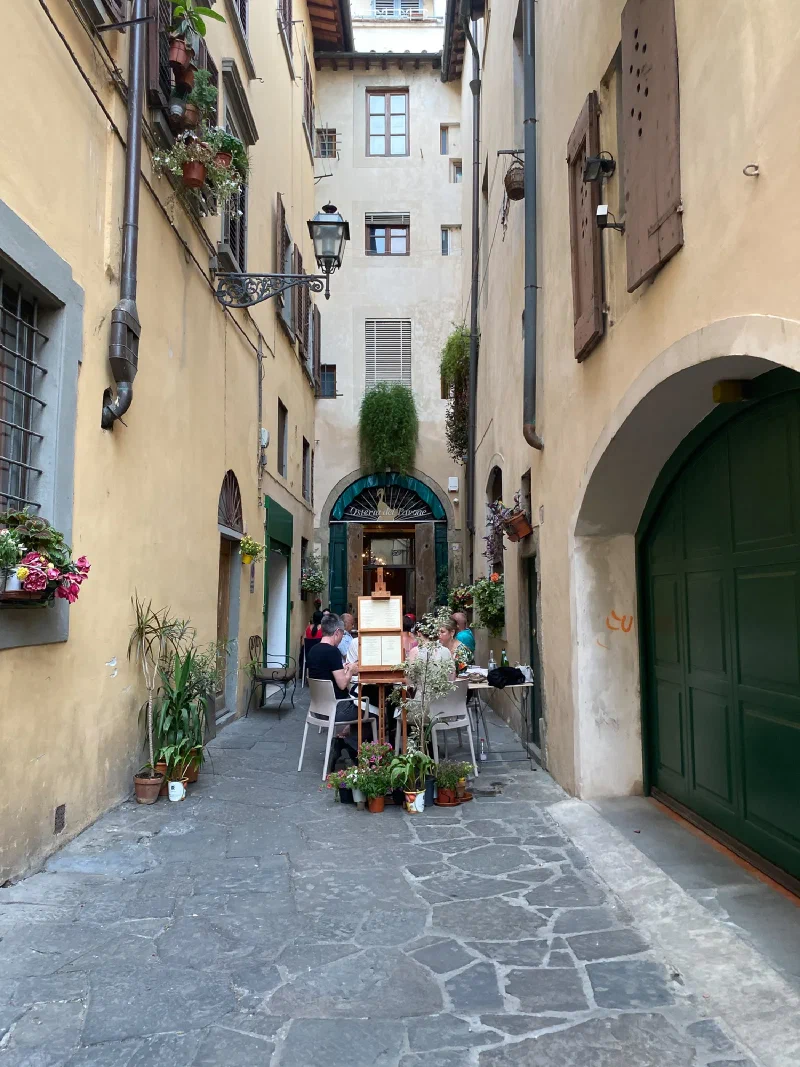
Osteria del Pavone. The Tavern of the Peacock. Tucked into an alley so narrow you have to turn sideways.
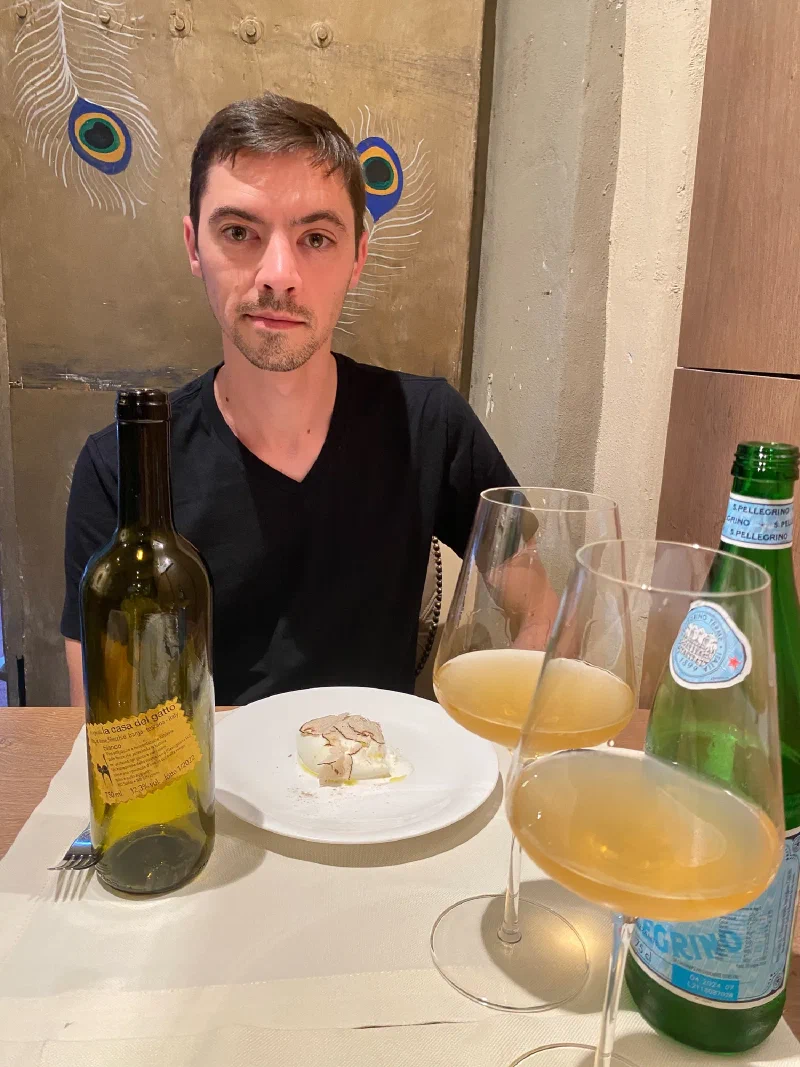
Burrata con tartufo. That’s burrata with shaved white truffle on top. Florence doesn’t mess around with appetizers.
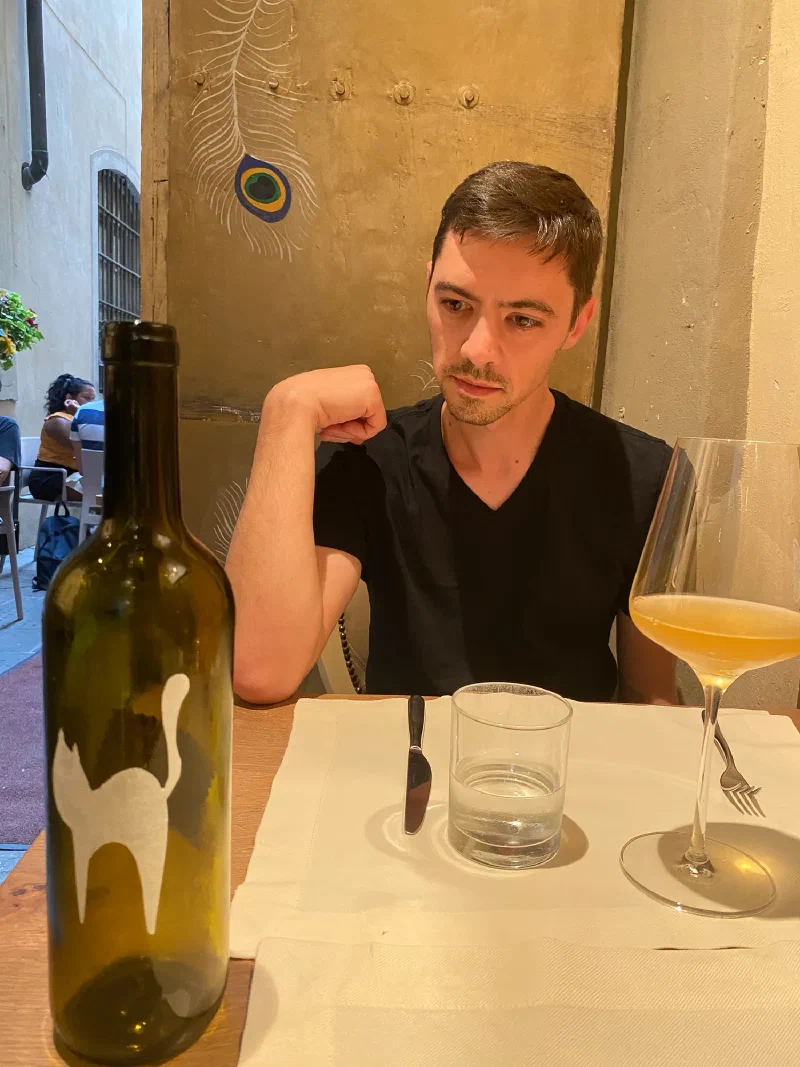
The wine was local. The truffle was fresh. The alley had exactly three tables. This is how you eat in Italy. You don’t go to the place with the biggest sign. You go to the place where the peacock feather murals are and the burrata arrives with truffle shaved tableside.
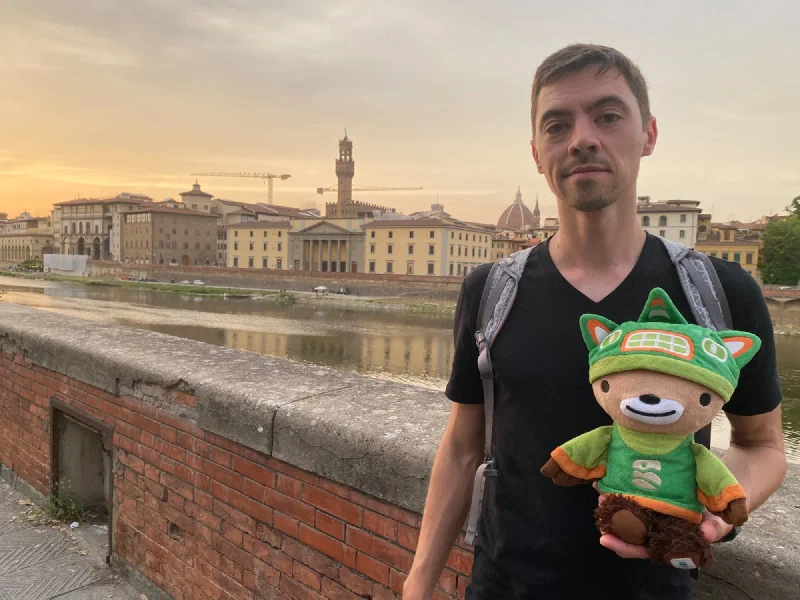
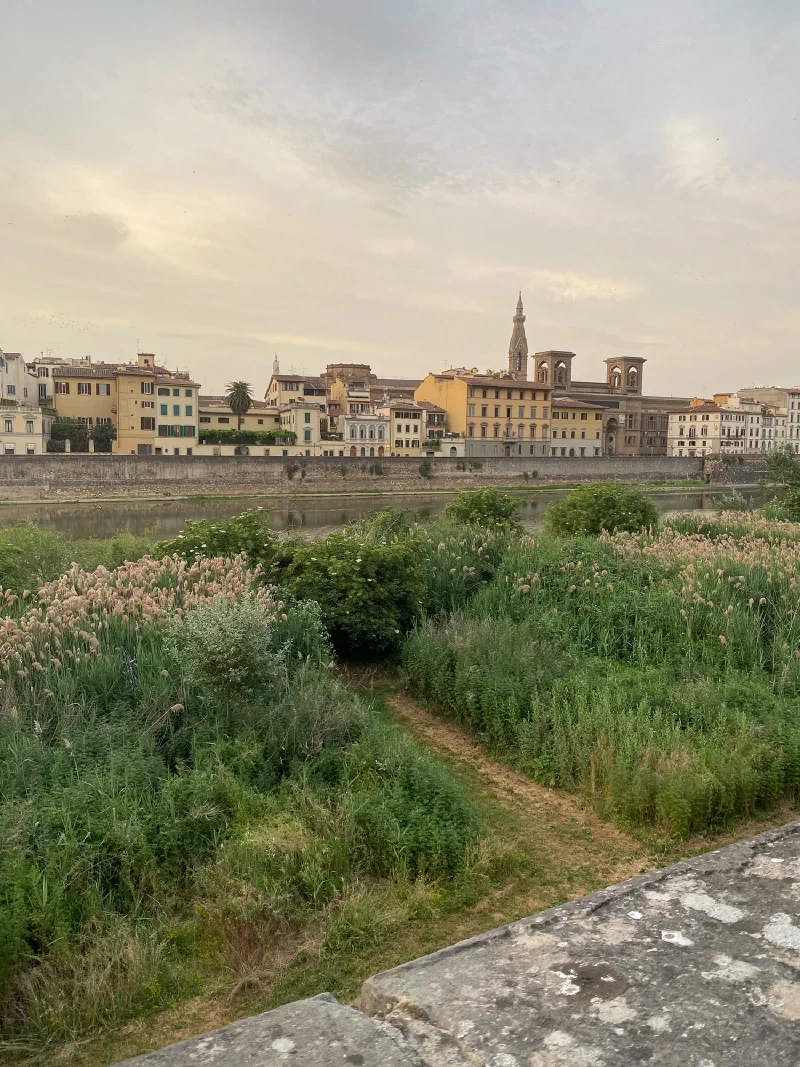
After dinner, we walked. Florence at golden hour is doing that thing cities do when the light gets low and everything turns the same warm color, like someone put an Instagram filter on reality except it’s been doing this for centuries before Instagram existed.
Not too shabby at all, Firenze.
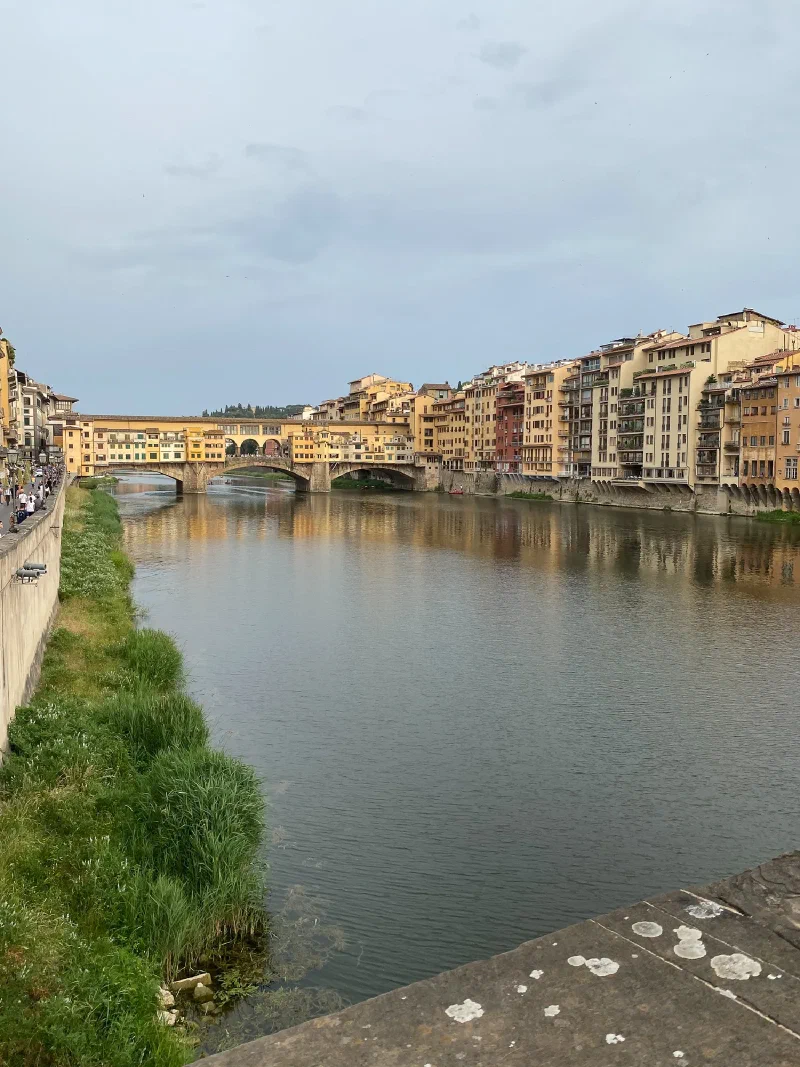
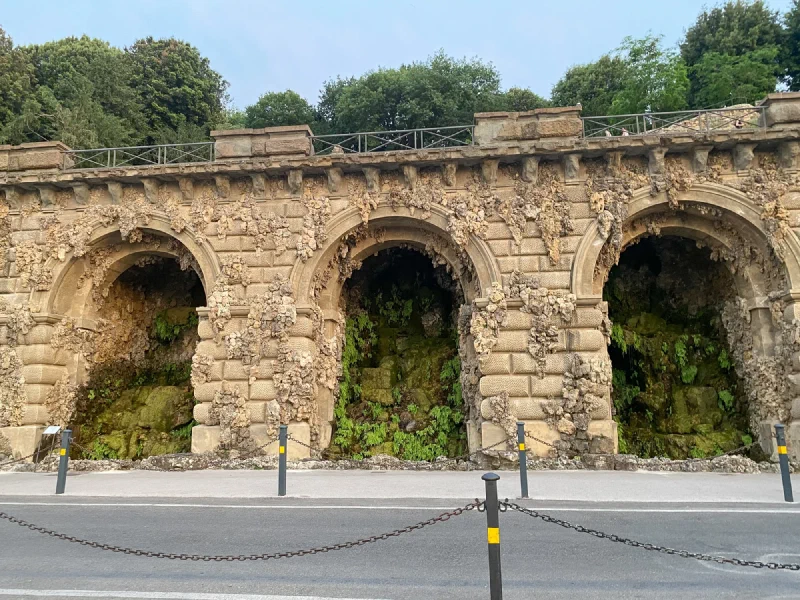
We walked along the Arno as the sun dropped. Past the Ponte Vecchio, past the old grotto walls with ferns growing out of Renaissance stonework, past the point where the city starts to feel less like a museum and more like a place people actually live.
Then Nicholas decided we were walking up a hill. Because of course he did.
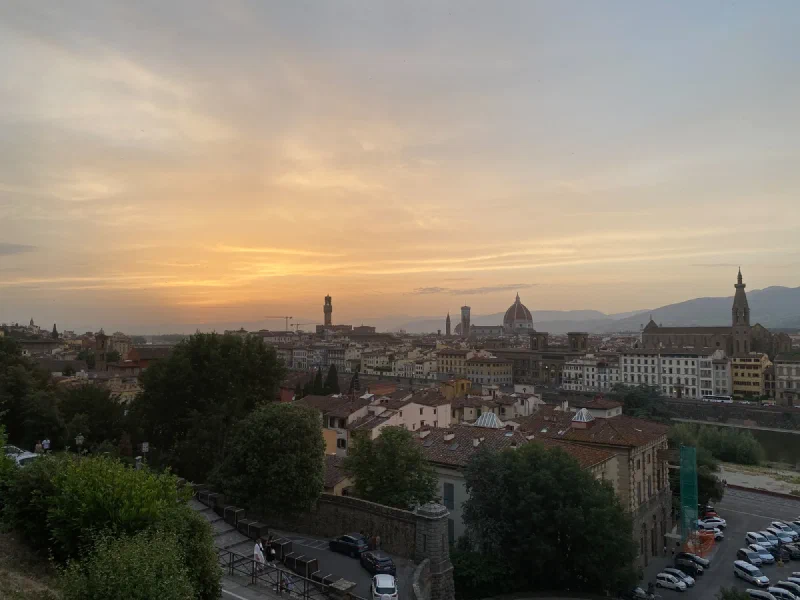
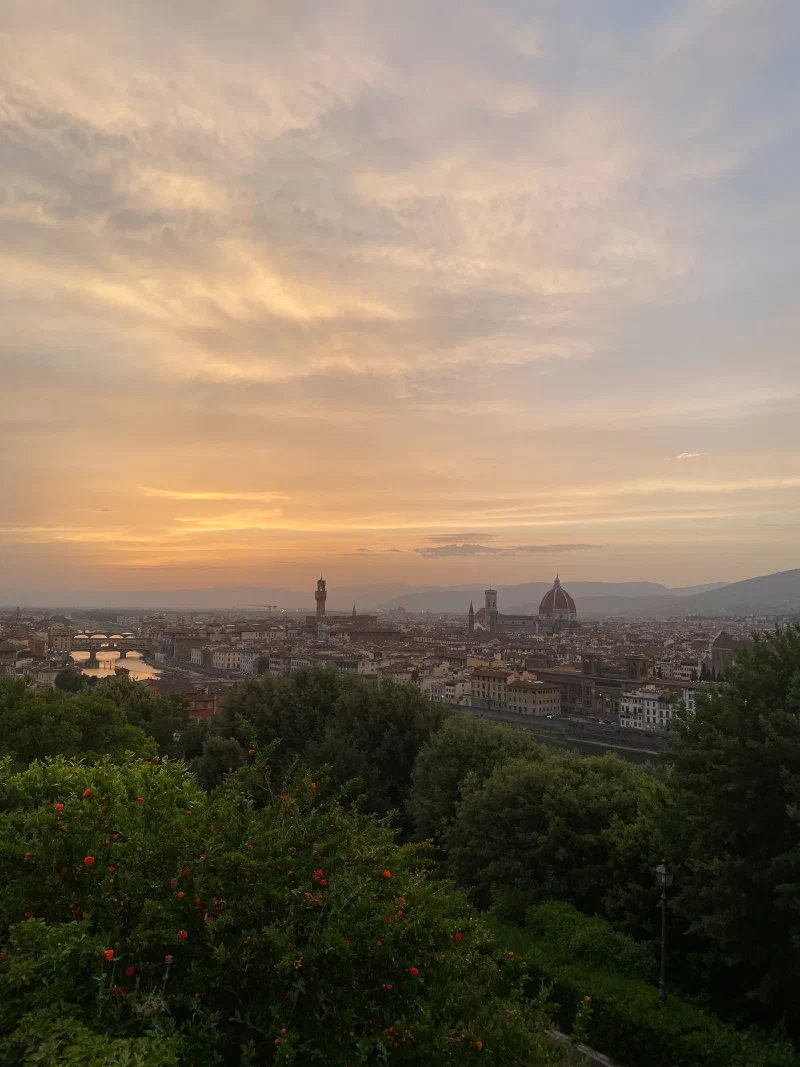
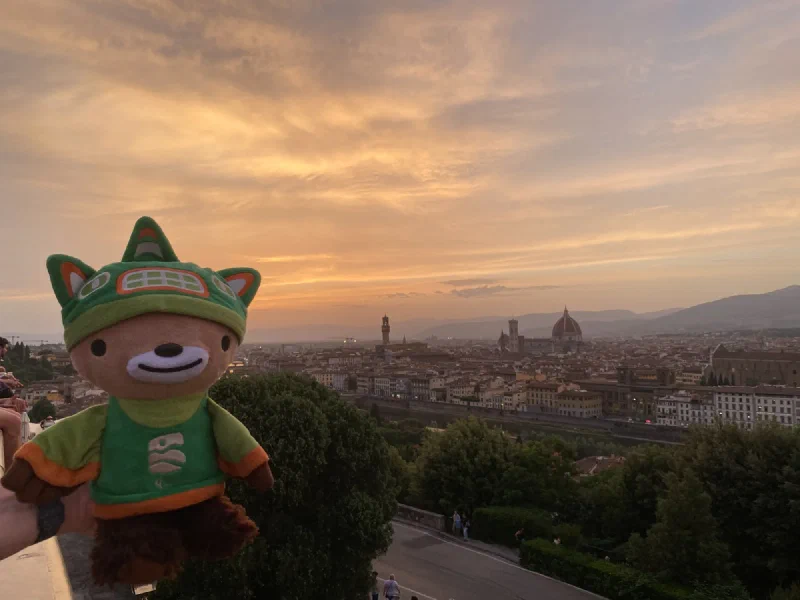
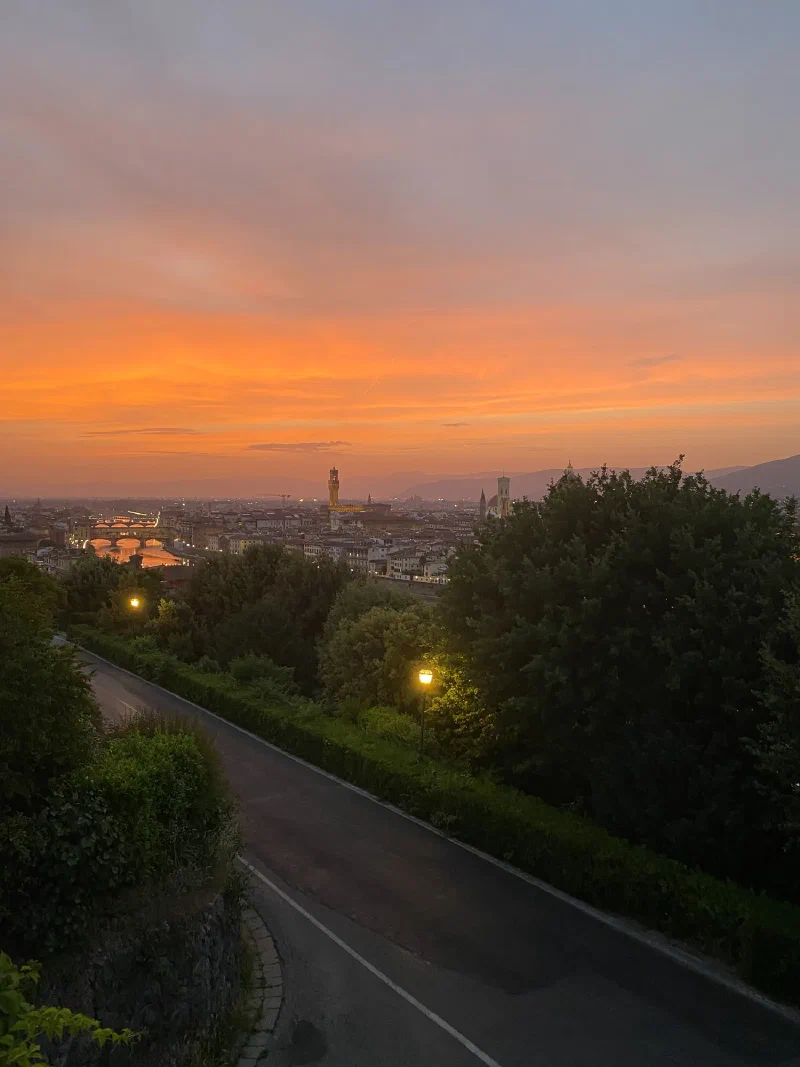
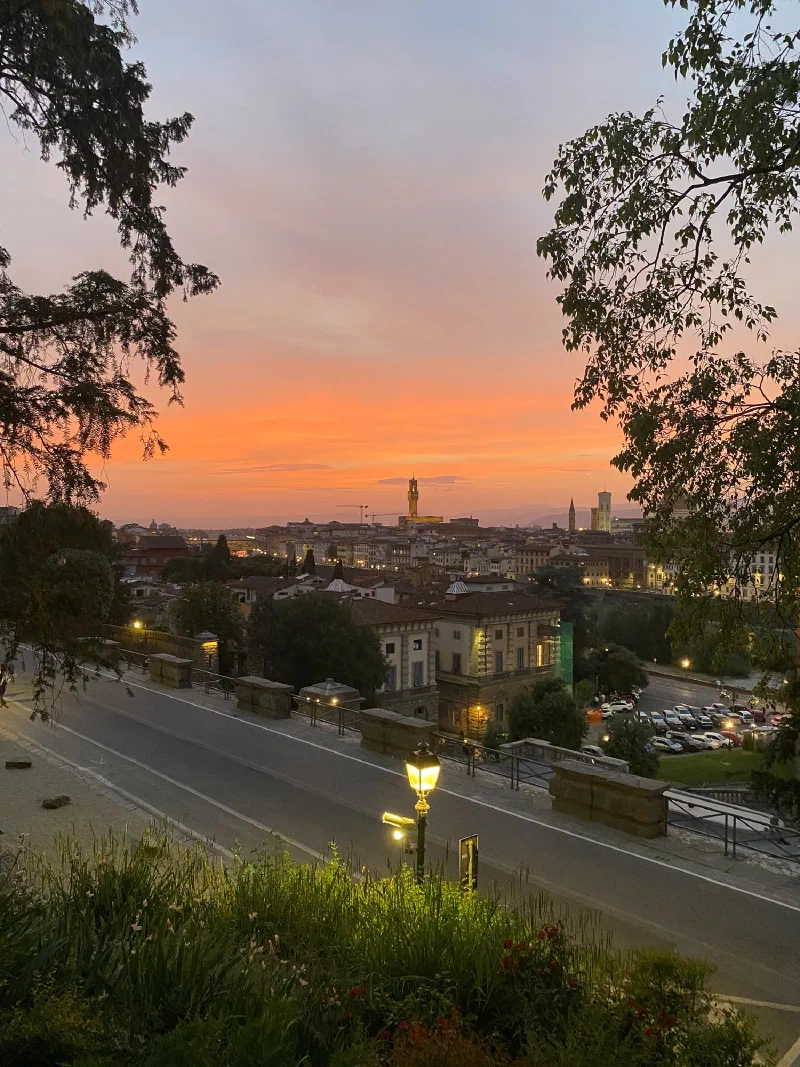
Piazzale Michelangelo. The famous viewpoint above the city. You walk up a winding road through cypress trees and then Florence just… opens up below you. The Duomo, the Palazzo Vecchio, the Arno, all the terracotta rooftops. The whole city laid out like a painting of itself.
My city now.
We stayed until the streetlights came on and the sky went from gold to purple. I’ll give Florence this: it knows how to end a day.
We closed the night the only way you close a night in Italy.
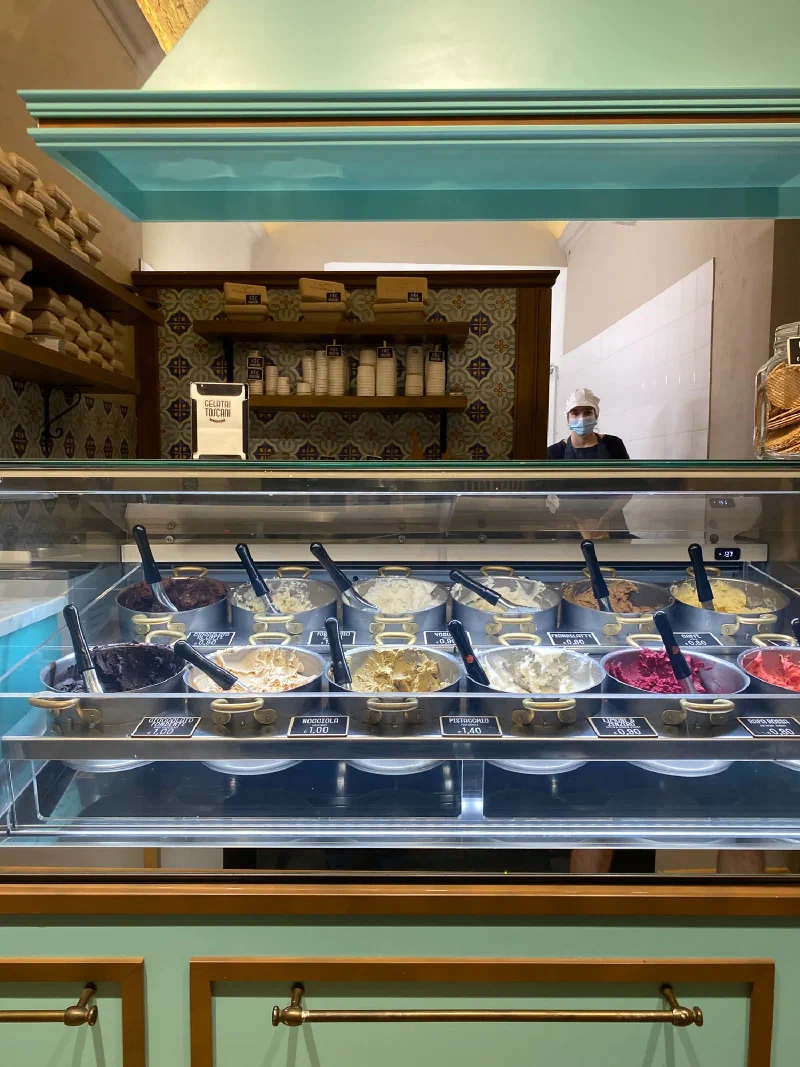
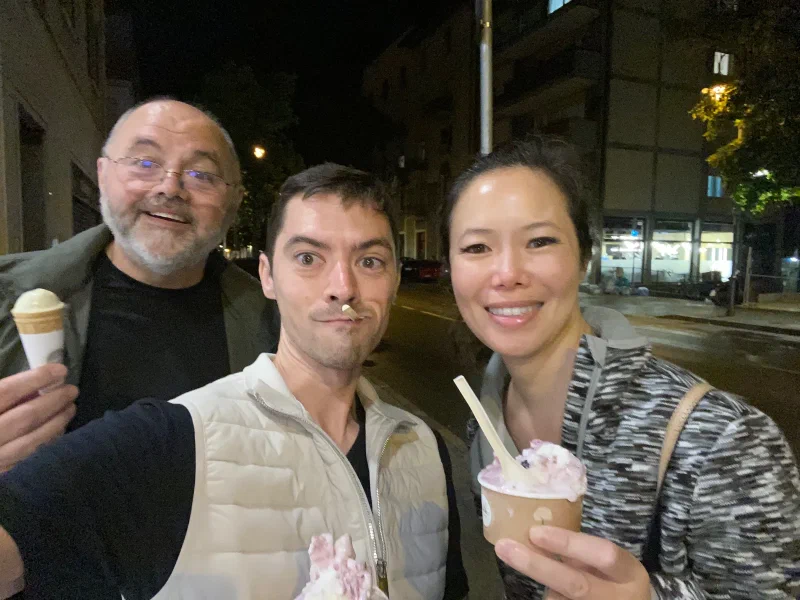
The final boss of the day.Gelato. Not enough chocolate options. Bad pick, Nicholas.
Nicholas said this was some of the best gelato they’d had on the entire trip. I looked at the flavor selection and saw mostly fruit and nut situations. Not nearly enough chocolate. If your gelato counter doesn’t have at least four chocolate variants, I’m not interested. Nicholas needs better priorities.
Firenze. Trapped by bollards, educated by an art historian, humbled by David, fed truffle in an alley, and rewarded with a sunset. Could have been worse.
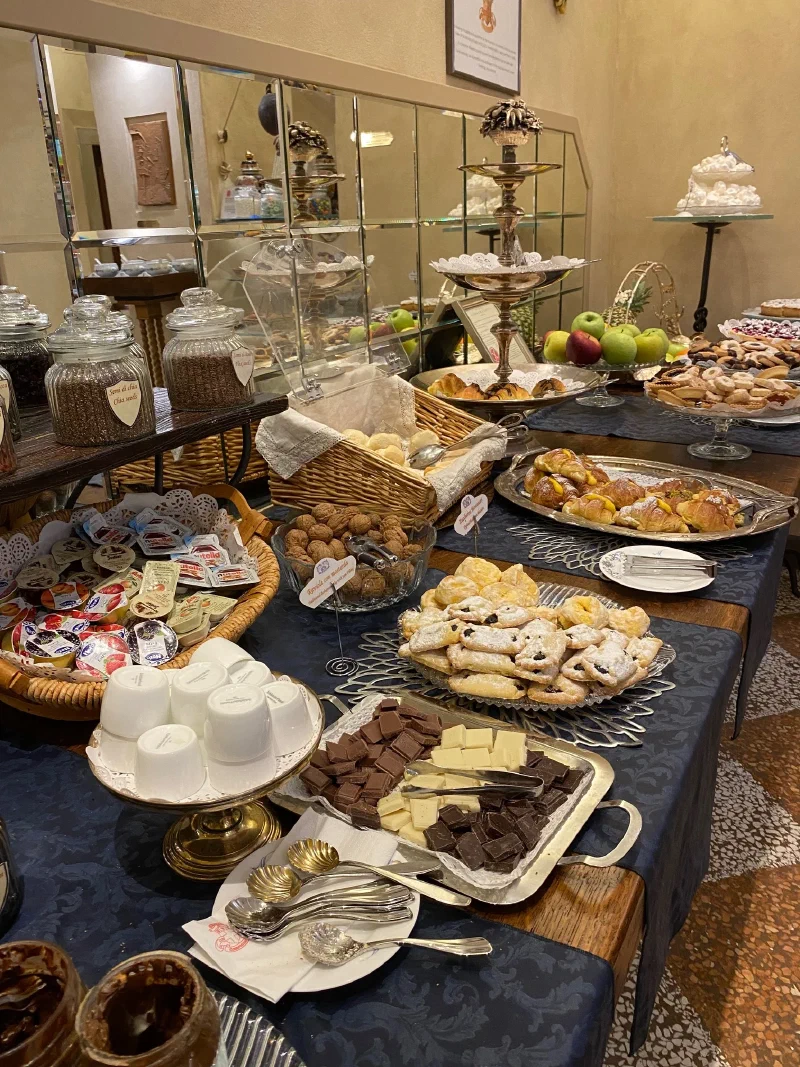
The next day, we started with a hearty breakfast at the Art Hotel Commercianti where I was surprised to see candy being served for breakfast.
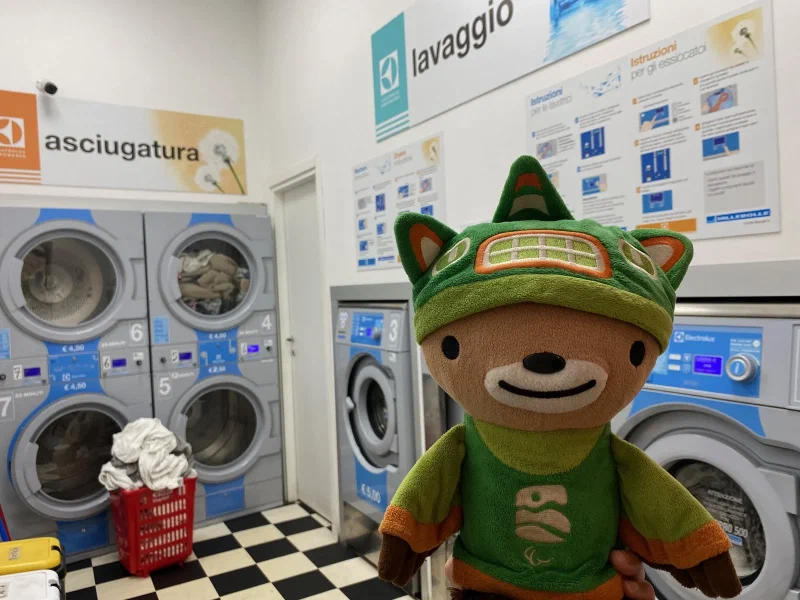
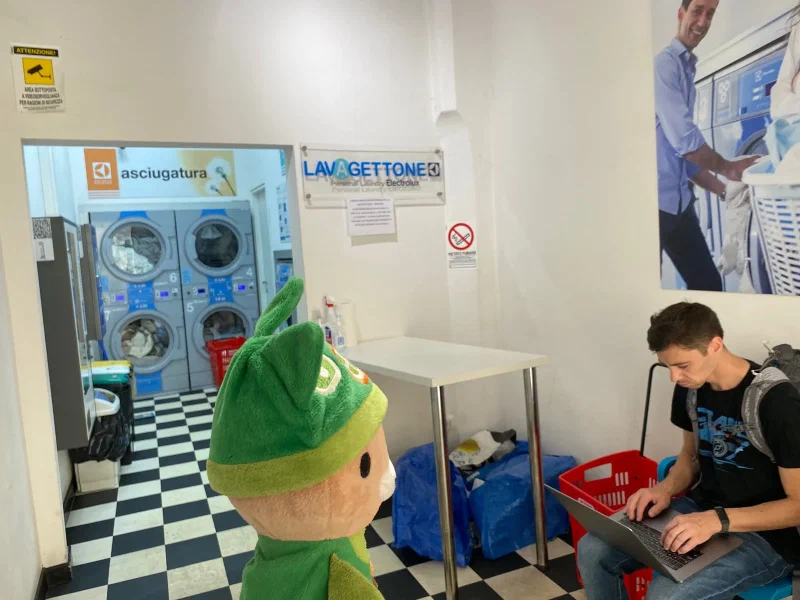
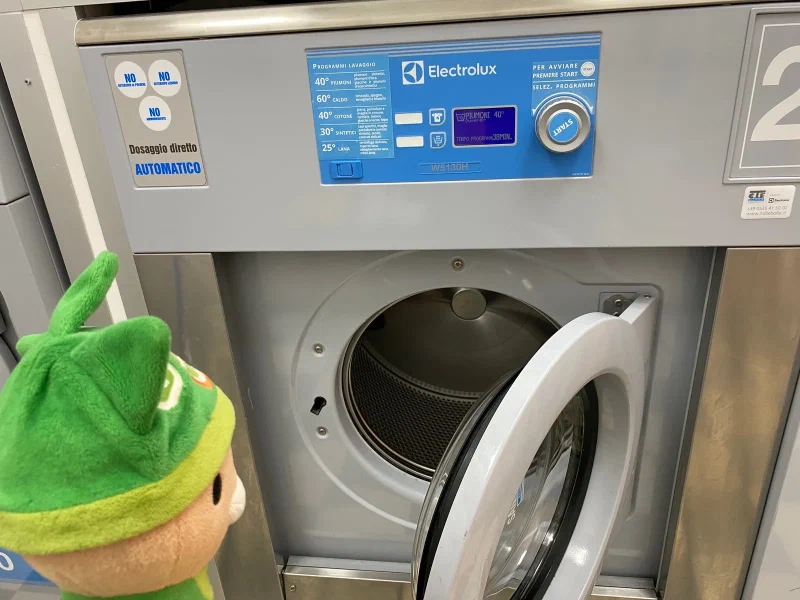
Then it was time to begin our quest for a laundromat. By now, Pokin and Nicholas were low on clean underwear. I told them if they just wore a tunic like I did and stopped being so reliant on pants they wouldn’t be in this kind of predicament. Of course they didn’t listen.
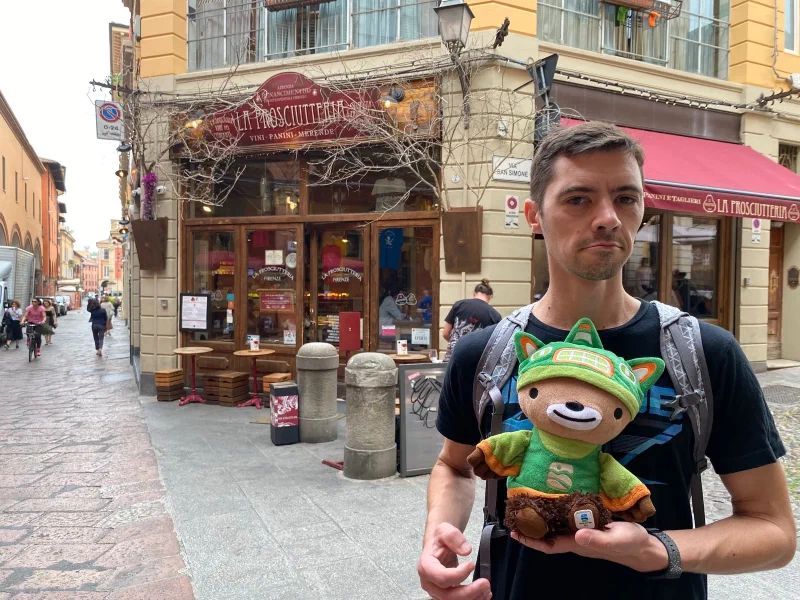
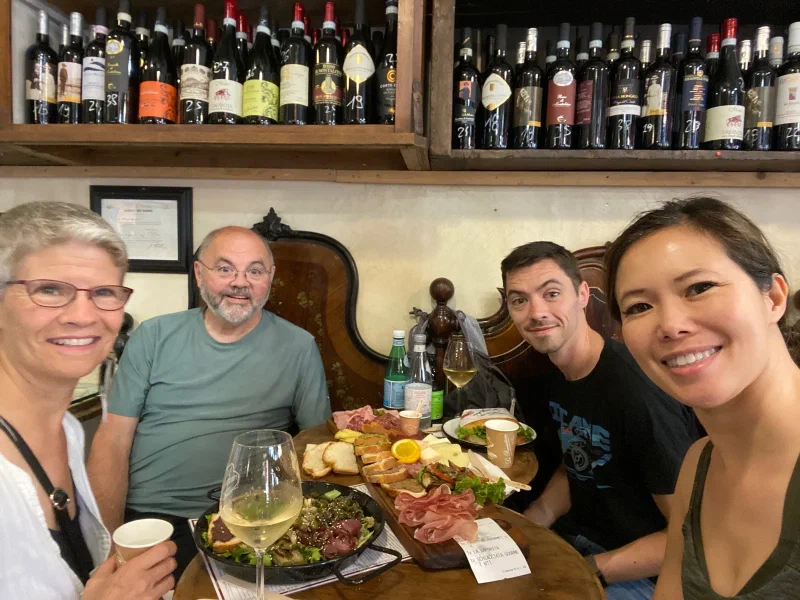
After setting in, we decide it’s time for some lunch. We started exploring around until we found a charcuterie place. It kinda just looks like what we normally eat at home.
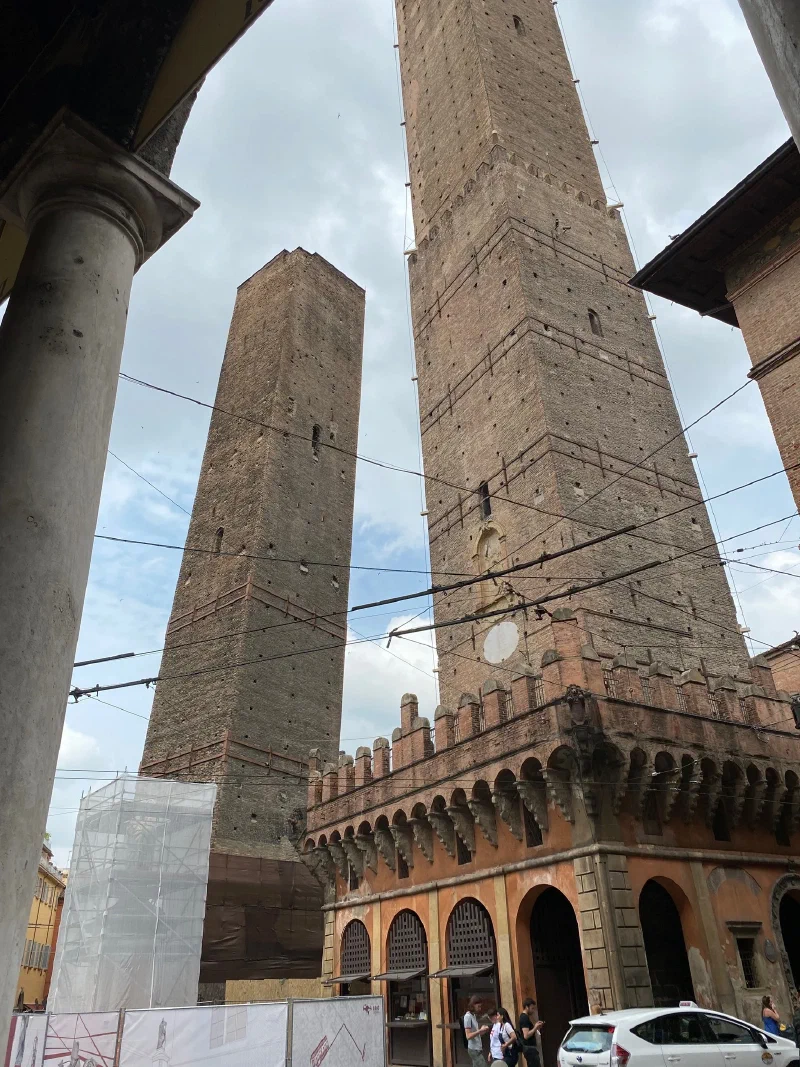
Bologna is also known for Le due torri, or the Two Towers, built in from 1109-1119 by the Asinelli family. I don’t know what it is with Italian buildings and the fact they like to lean, but these towers lean. Something about the south ground. Apparently there are 9 towers in Italy like this.I guess at least they are beig stabilized so it’s really more of a threat to themselves!
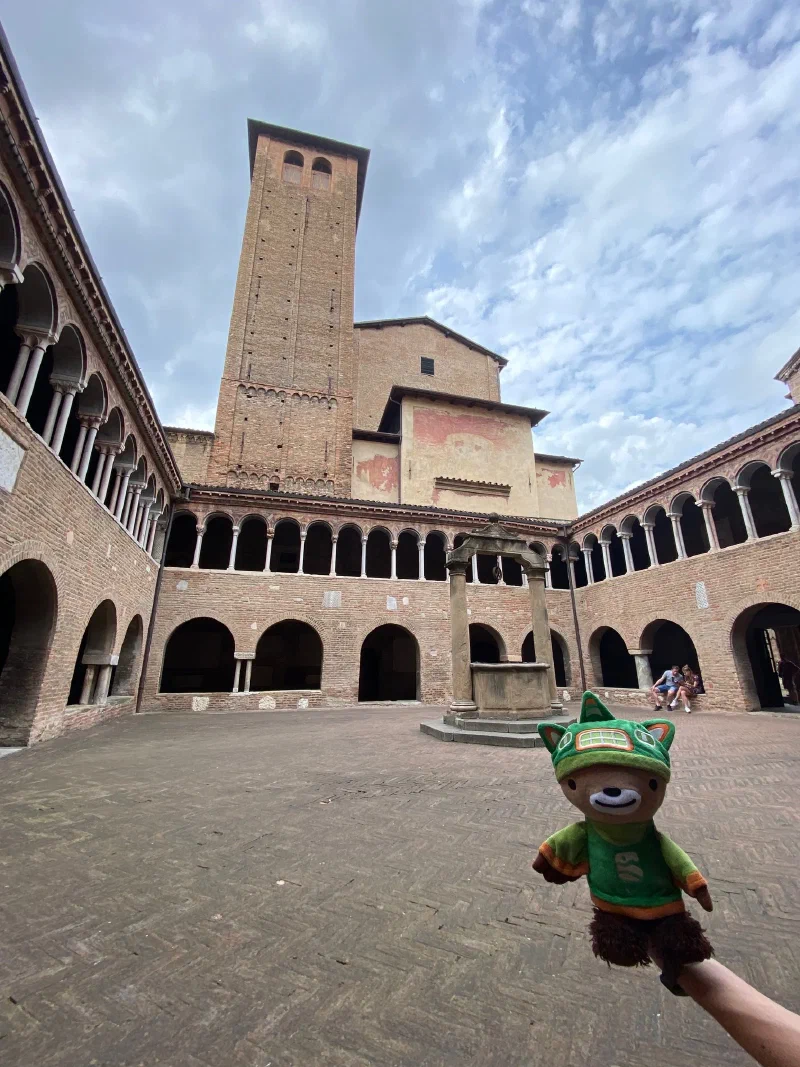
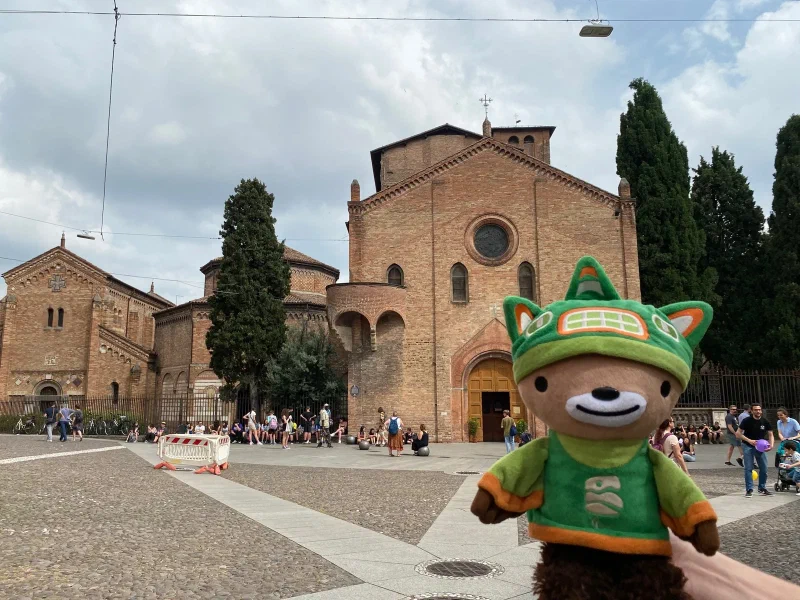
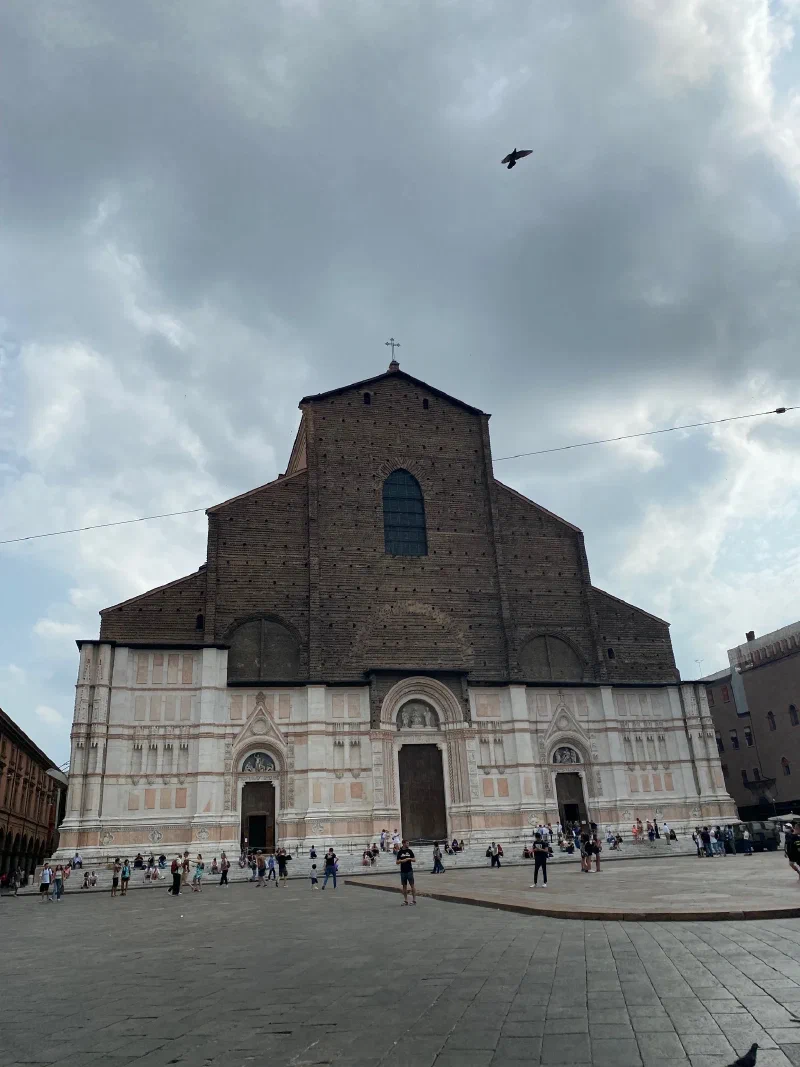
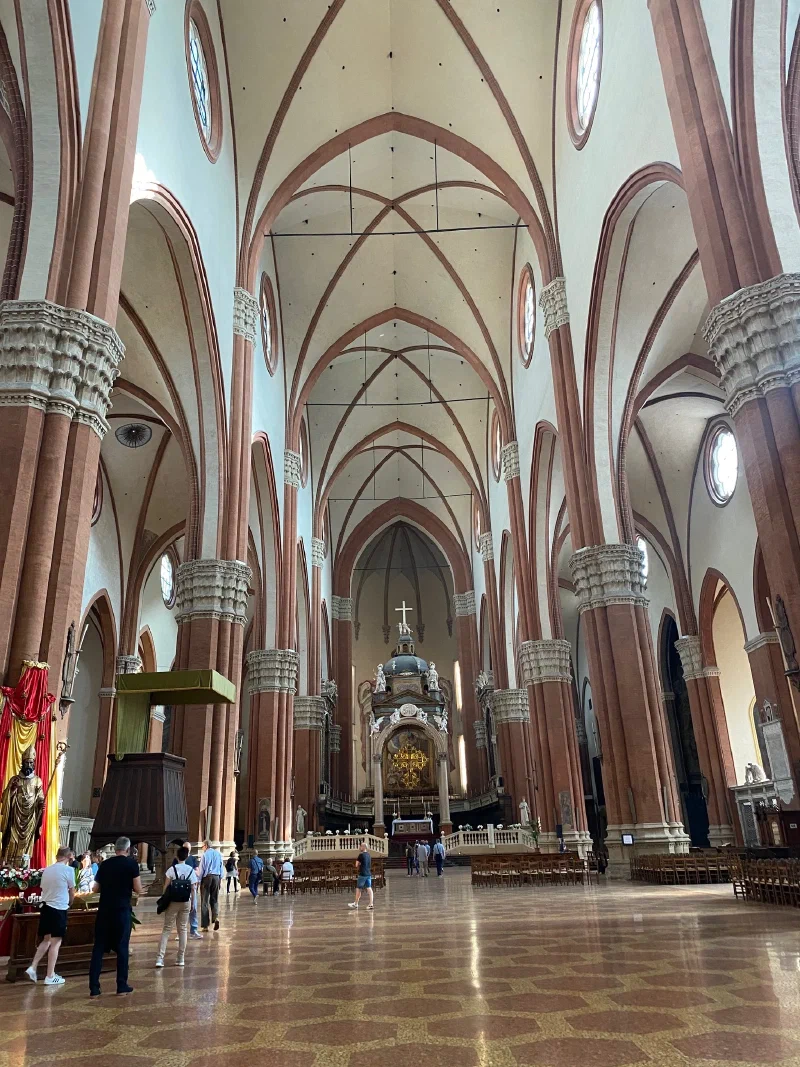
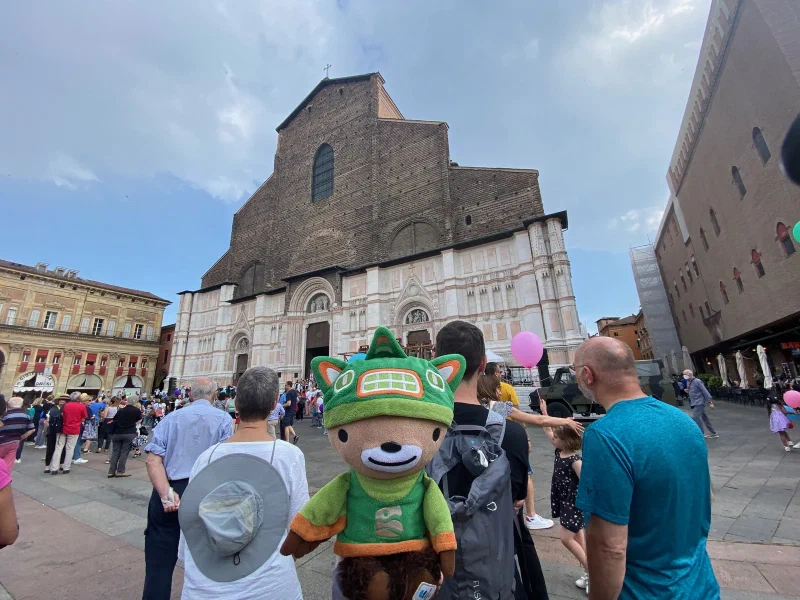
Finally we peeked in the Basilica di San Petronio and called it good for the city.
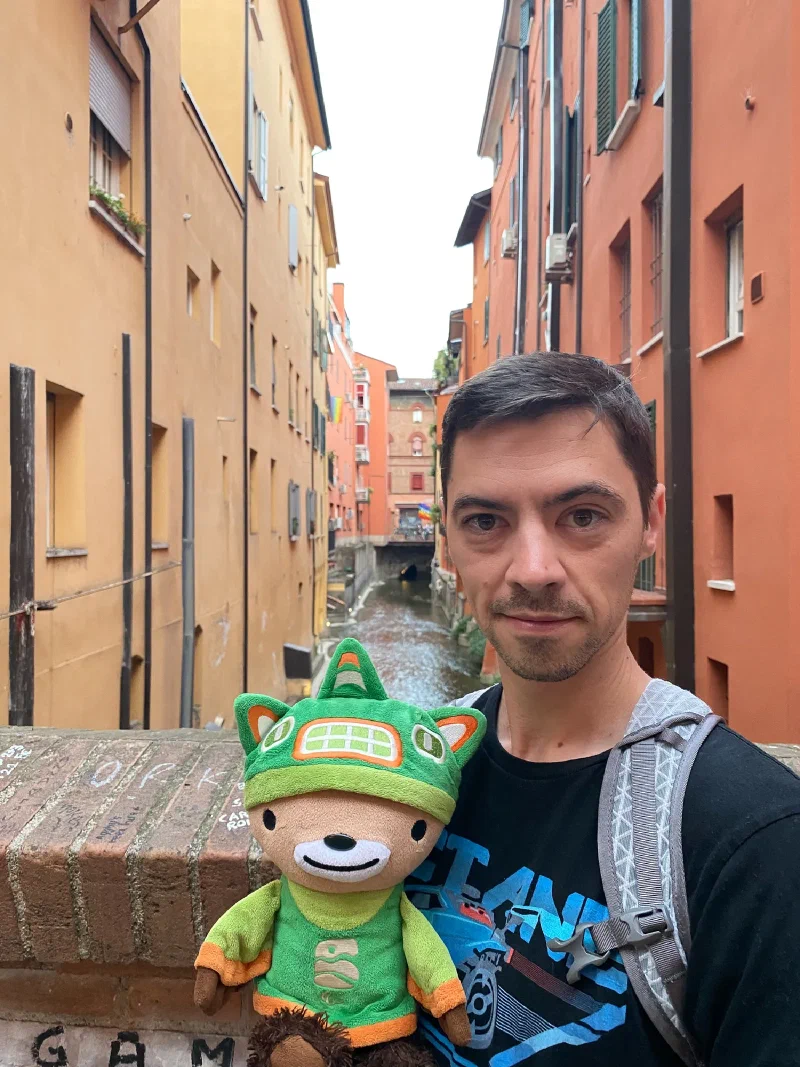
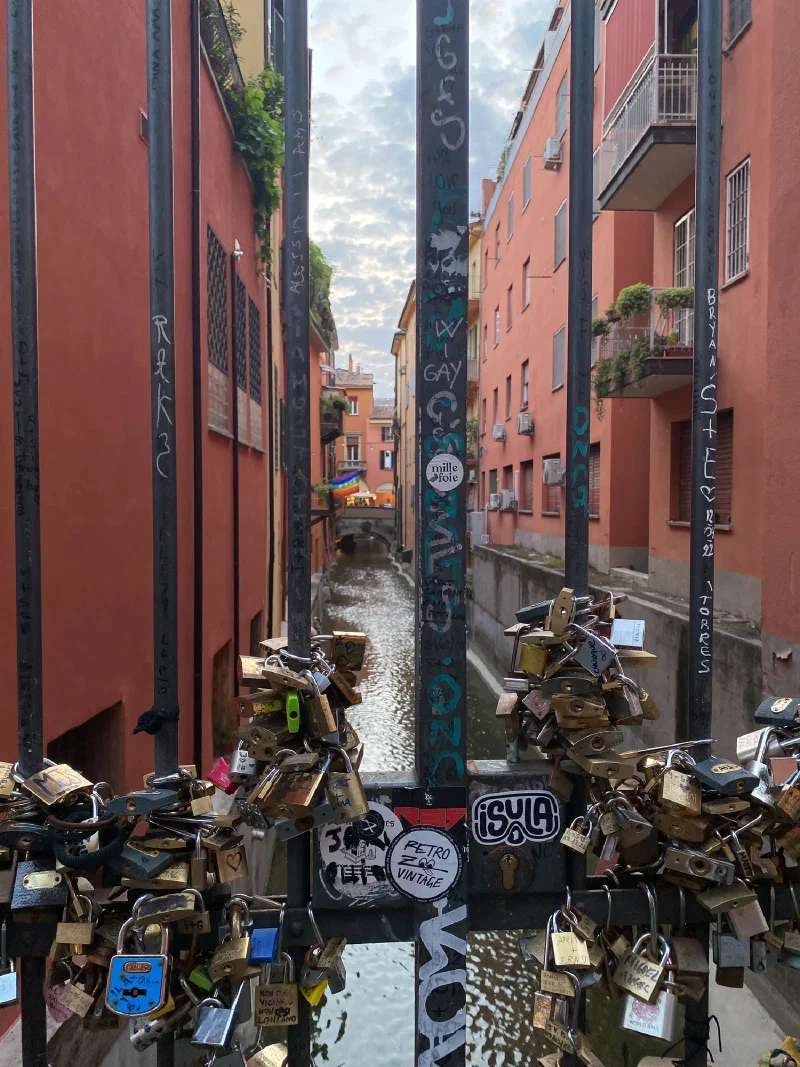
Now here’s the thing about Bologna that most people don’t know. The city has canals. Like, actual Venice-style canals running under the streets. They paved over most of them centuries ago, but if you know where to look, you can peek through little windows in the walls and see the water still flowing underneath.
Nicholas made us go find them. Of course he did. The man cannot resist a hidden thing.
A whole canal system hiding under the city. Bologna is sneaky.
There’s a famous little window — the Finestrella di Via Piella — where you look through and suddenly it’s like a tiny Venice crammed between apartment buildings. Colorful walls, narrow water, the whole deal. Just… hidden behind a brick wall on a random street.
Naturally, people have covered the railings with love locks. Because humans can’t find anything beautiful without bolting metal to it.
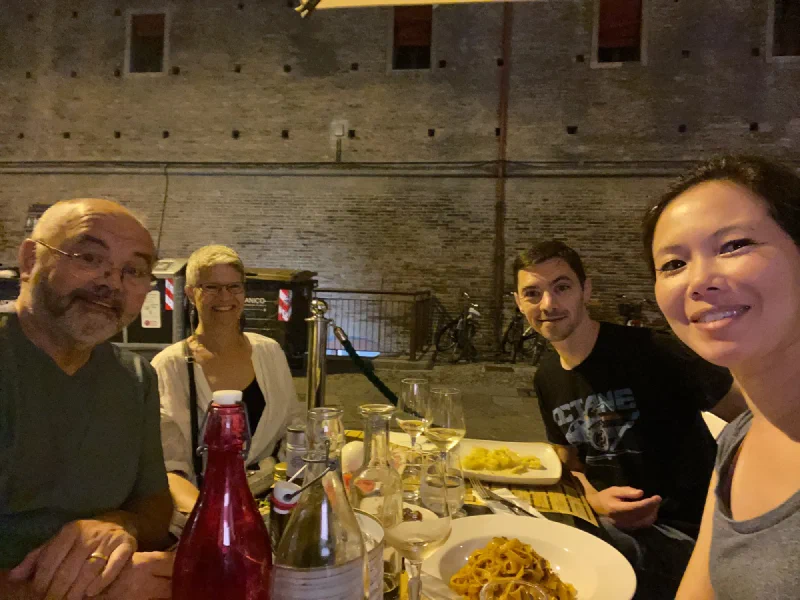
We ended the day the proper way — dinner outside against a medieval wall, with proper Bolognese tagliatelle. Not spaghetti bolognese. Tagliatelle. The locals are very specific about this.
Oh as a last fact, Bologna is not the birthplace of Bolognese sauce. They do have a kind of meat ragu, but we were told definitely they were absolutely unrelated.
We’re in Bologna for two nights, but let me tell you about the night before when we got here.
Because of our packed day, it was already getting late.
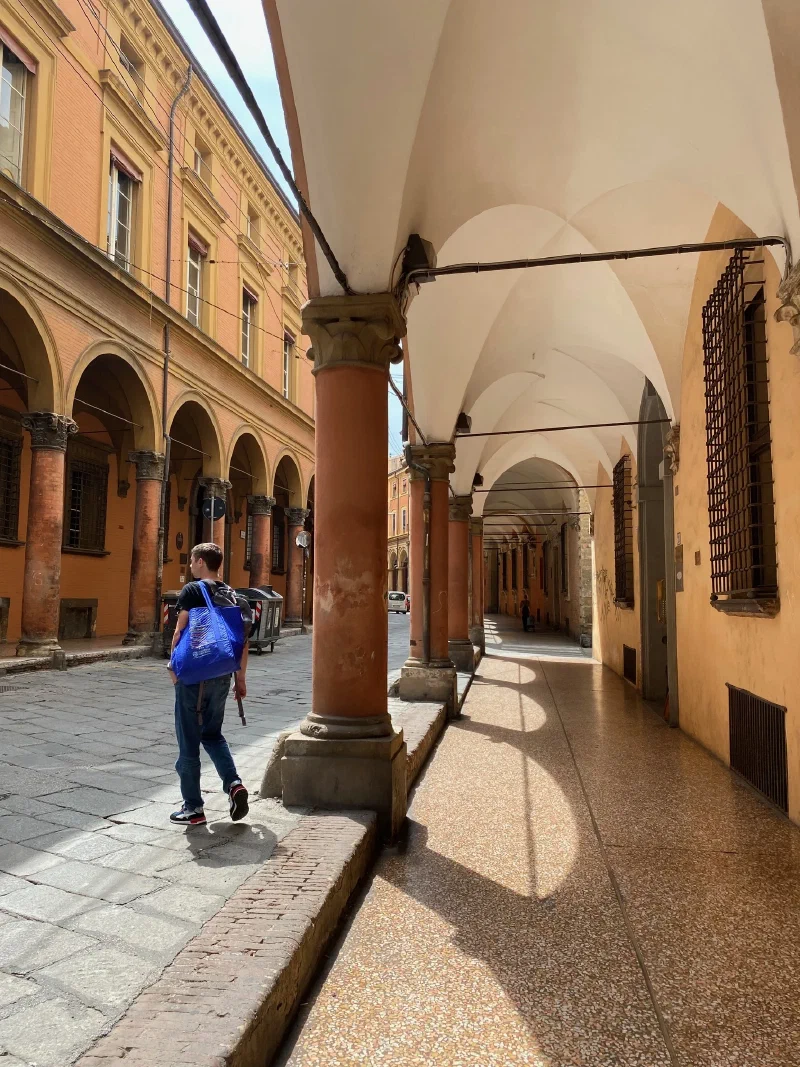
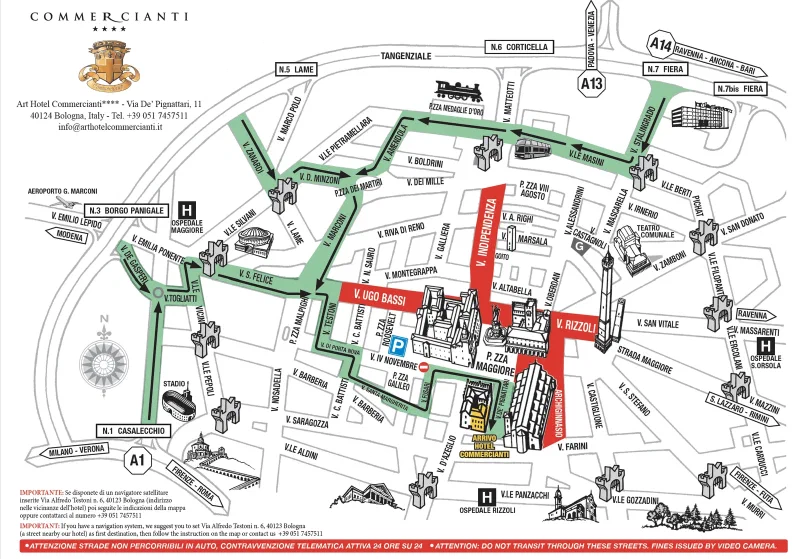
Then Bologna is one of those restricted cities were the instructions for driving in are, to say the least, dicey. There are traffic zones everywhere that you are not allowed to drive in - even worse, they fine you and you don’t even know it till years later.
We didn’t want to run the risk so we tried our best to follow instructions as well as we could, be really instructions were wanting. This makes it look way simpler than it actually was.
What this map fails to show are just how narrow the streets are. It does show all the no go streets, but because of the fact that we were driving a ’large’ SUV to fit all 4 of us and our luggage, just because a street wasn’t no go didn’t mean we could actually FIT down that street.
Nicholas was not having fun trying to figure out how to get places. Sometimes we’d be trying to fit down a street, when a car would come the opposite direction and then it was a stalemate. Who would try to reverse into a little crevice to allow the other to pass. Stress levels were high.
We follow the map until we get to a large city square, blocked by police. Oh great. We pull up to the police and notice they are blocking the way because there is a giant mob of people in the square, obviously celebrating something. I assume they must be here to celebrate my arrival, but nobody seems to agree with me. We try to tell the police where we are trying to get to - a hotel that should be nearby. They point directly ahead, towards the mob of people. “Really?” we think, “through this crowd?” - Nicholas starts to drive. We notice in the rear view mirror the police officer chasing after us. No, not through the crowd, ahead and to the right he corrects, down a dead end alley way that looks like it shouldn’t fit our car, that is also blocked off by people in chairs.
After narrowly escaping mowing down a celebrating crowd of locals, we find the hotel and thankfully pass the keys off to hotel staff who is able to drive the car to wherever it’s supposed to actually go. Phew.
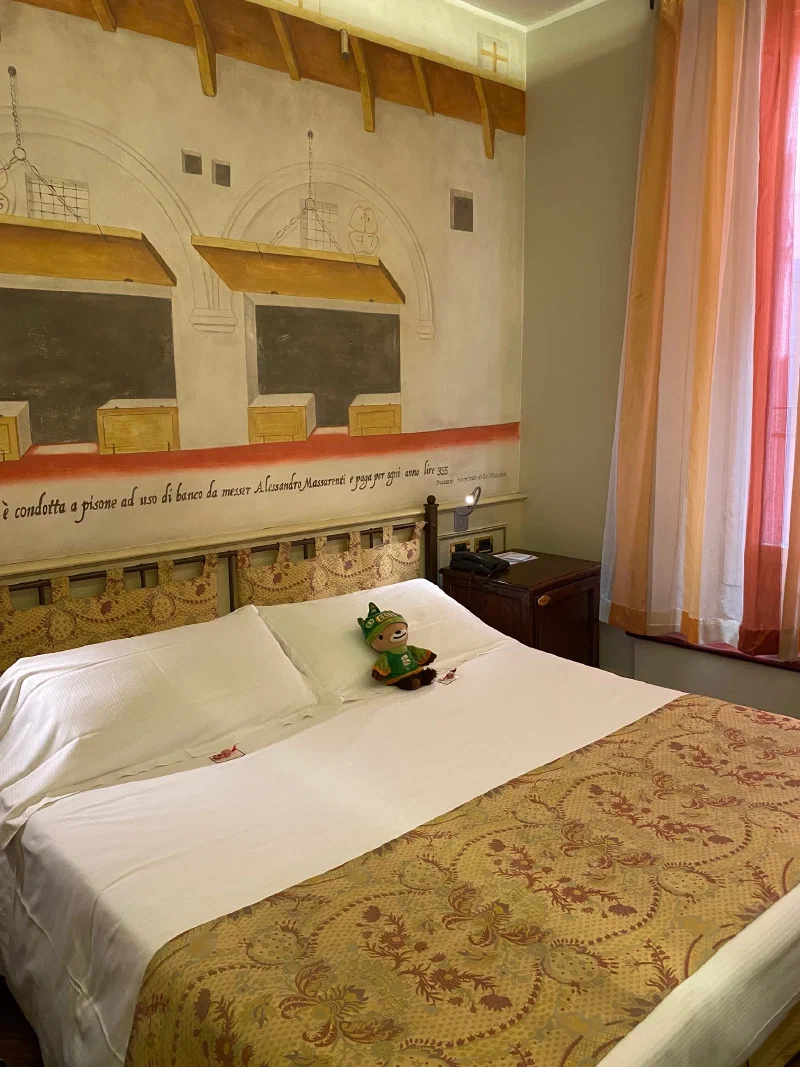
We’re in an Art hotel, it seems neat.
But hold up – what exactly is happening outside? We decided to check it out.
It turns out it’s a festival or something for the church, and the local bishop is visiting with a procession and a whole big celebration. Stupid. I’m just going to pretend they actually are here for me.
After calling it an early night, we got up early for a packed road trip driving day.
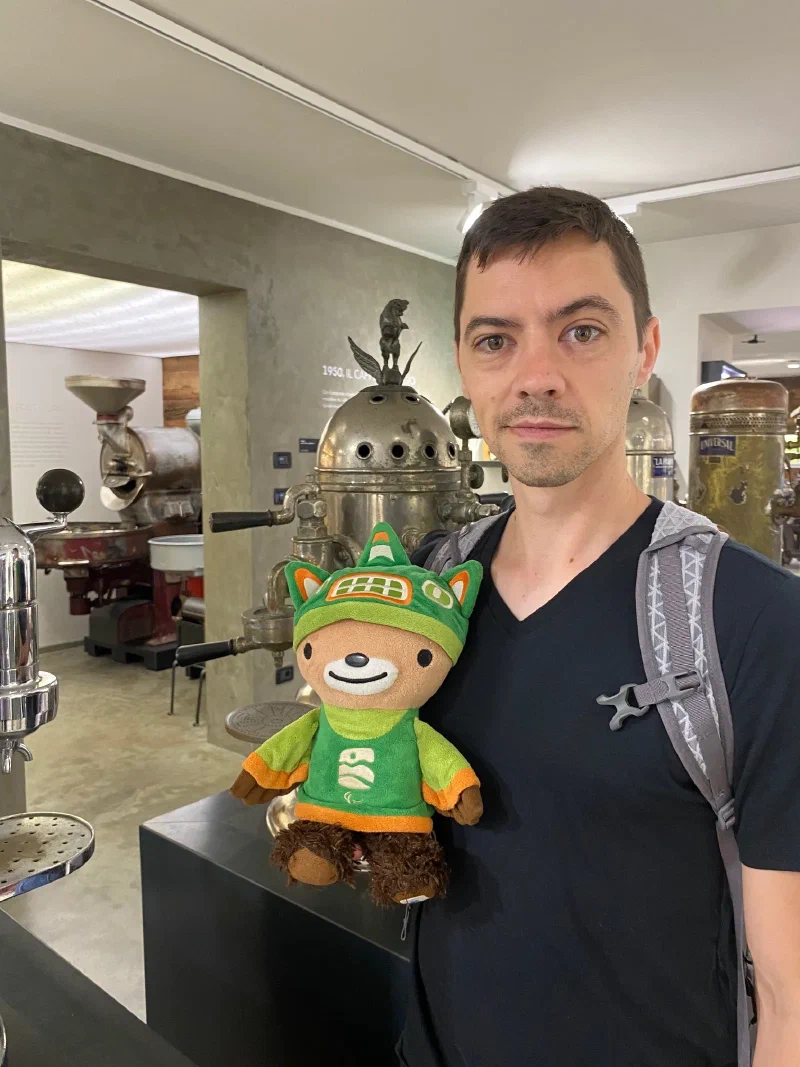
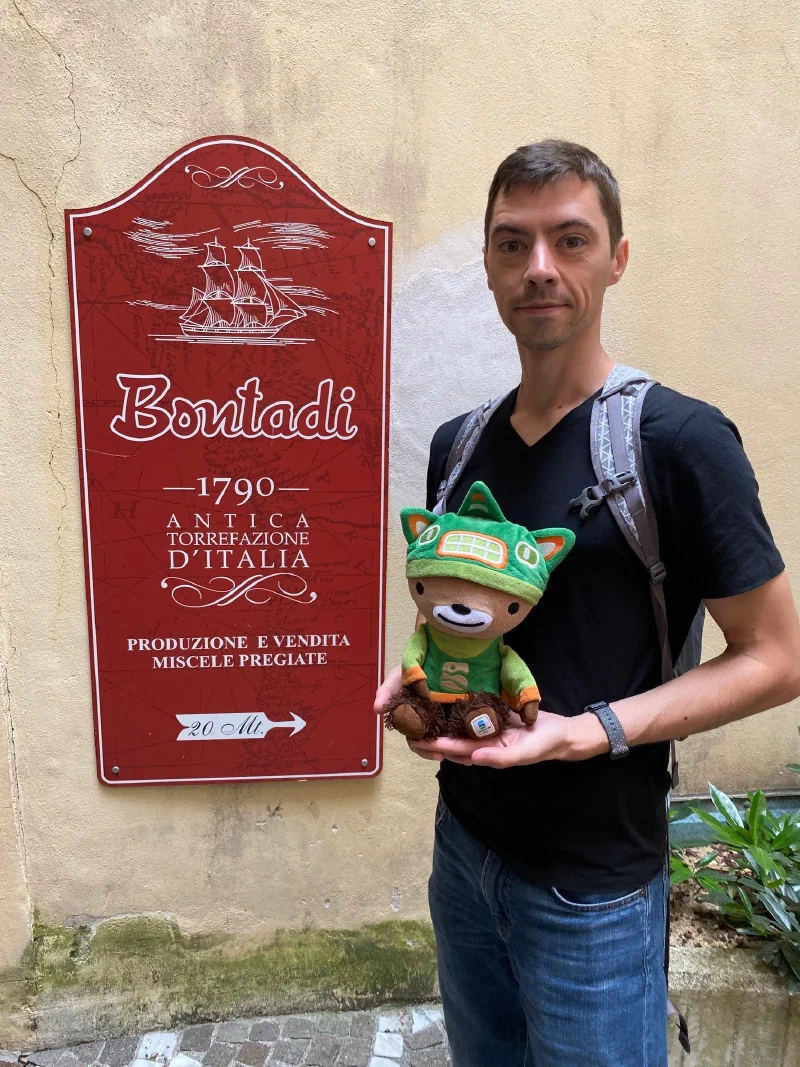
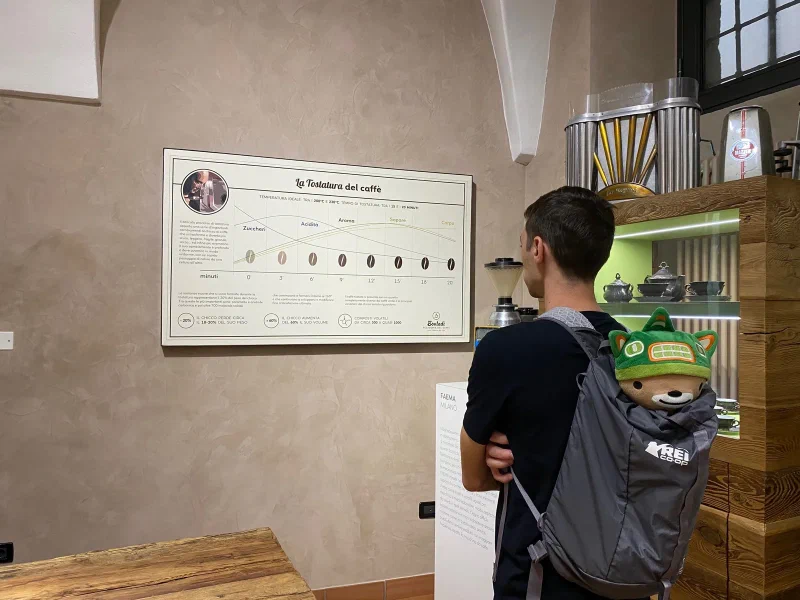
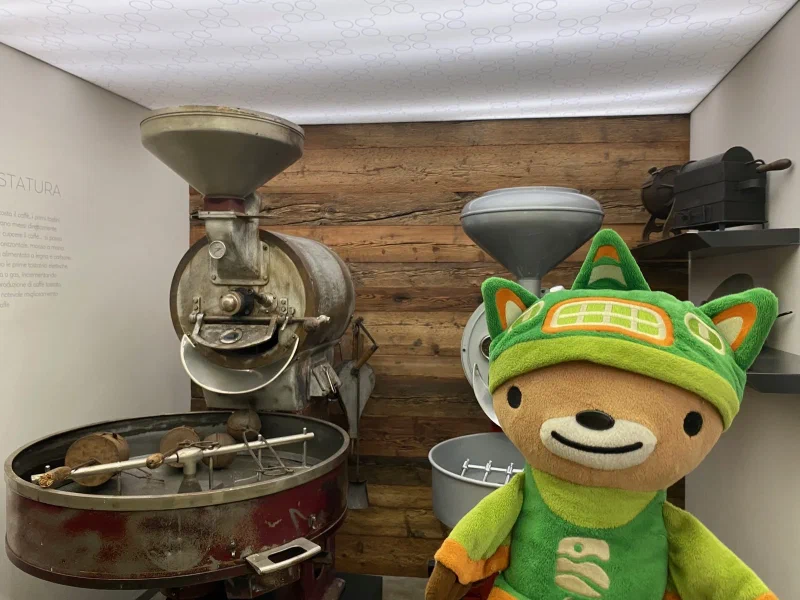
Today, the goal was to get on the road in Rovererto where we could hit up the oldest coffee shop in the world. Bontadi Coffee Roasters was founded in 1790 and they have a whole coffee museum dedicated to it! We got in right before they were open, but they were kind enough to let us in.
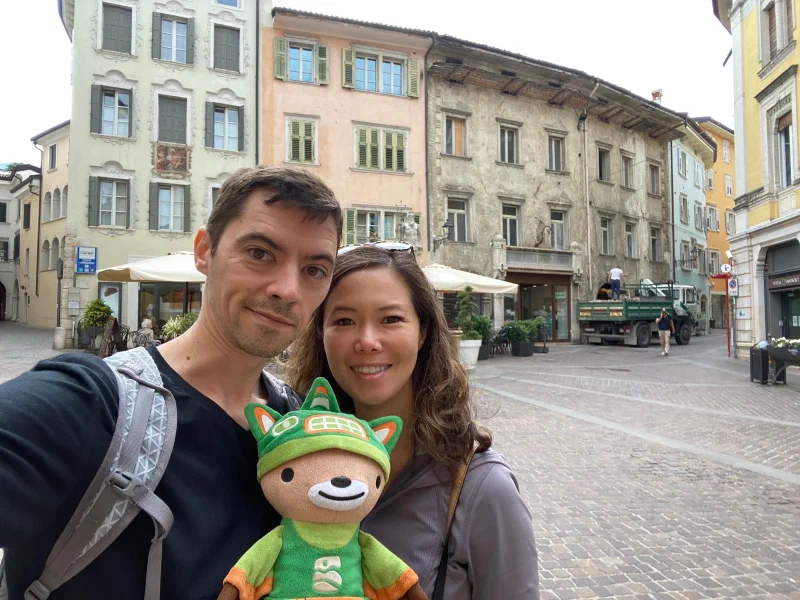
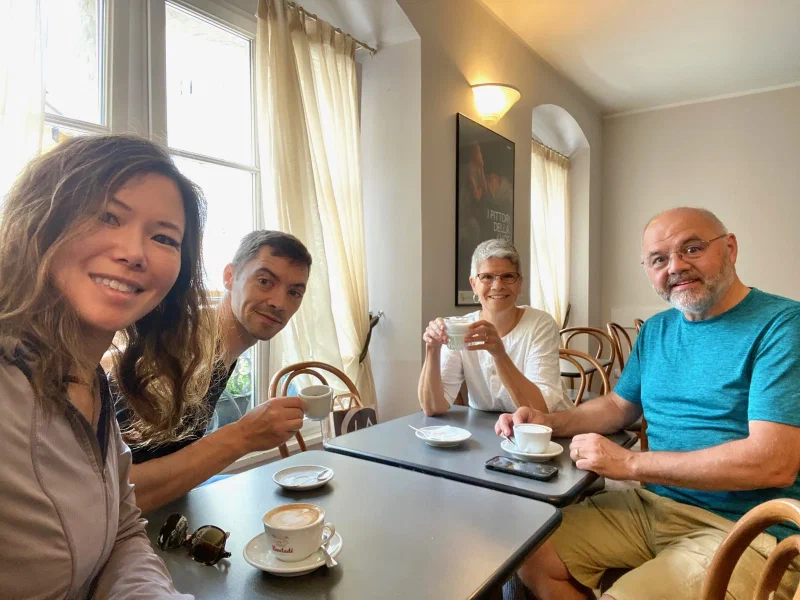
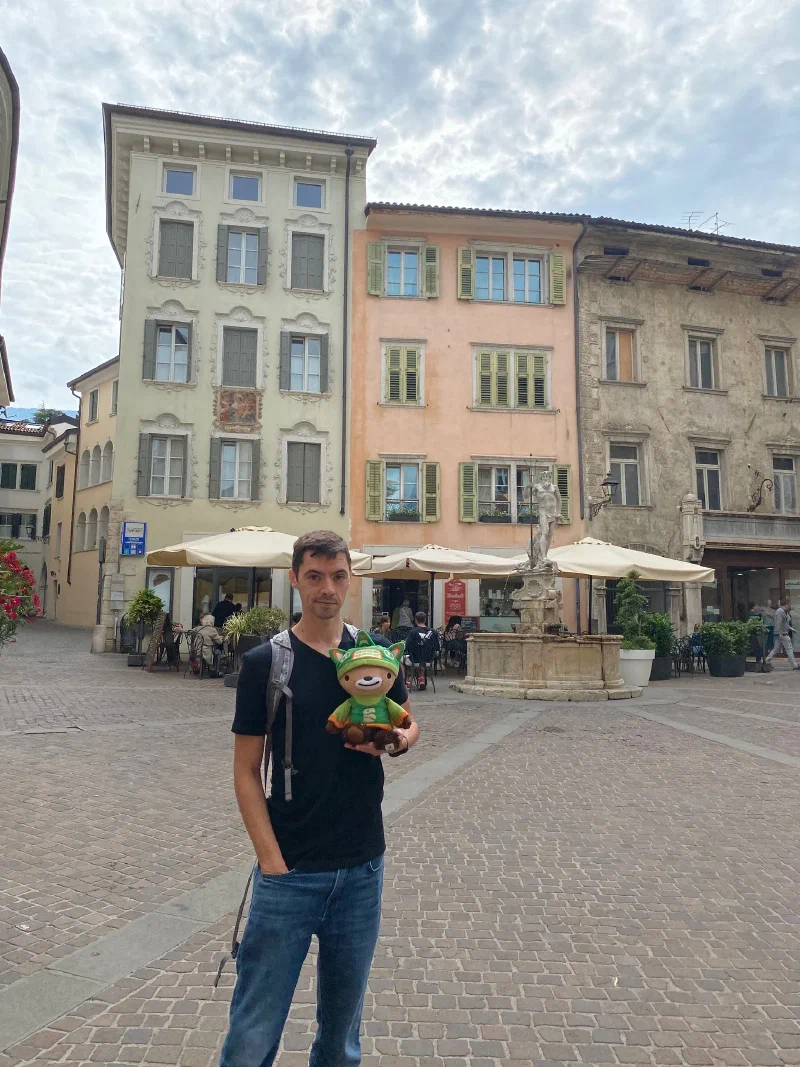
After seeing the museum, of course we had to go get some coffee, so we wandered into the square to find some.
Then, because we had a packed schedule, it was onwards to Verona.
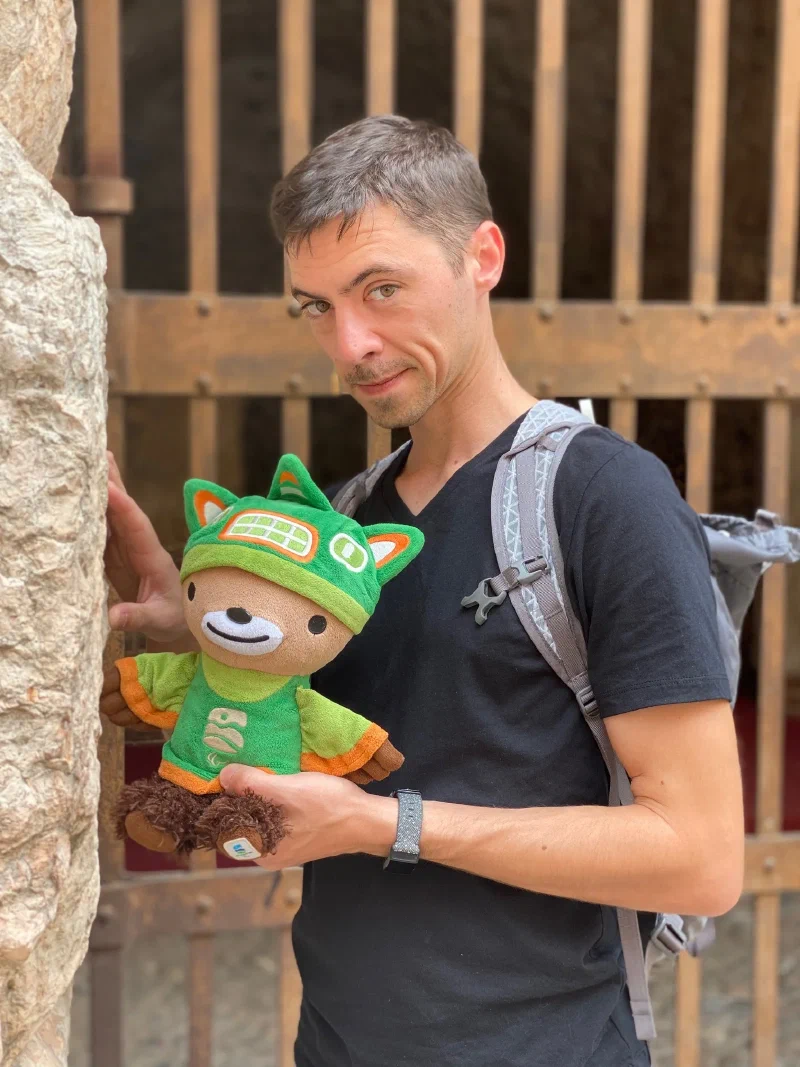
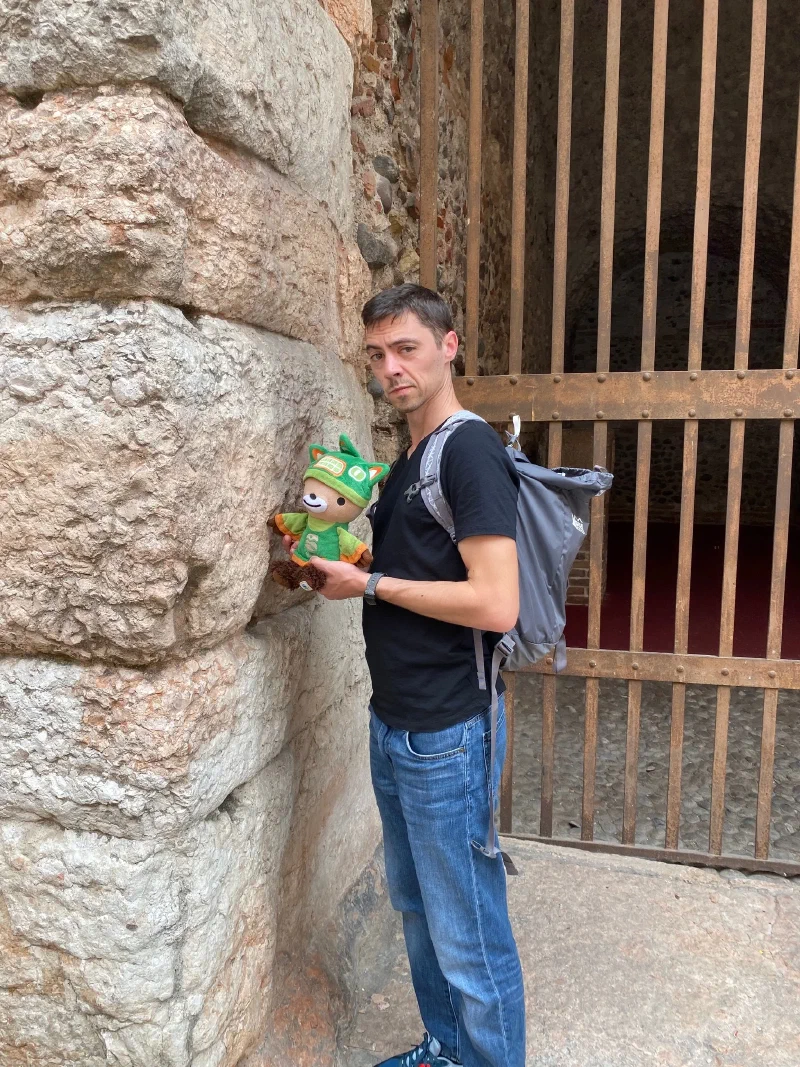
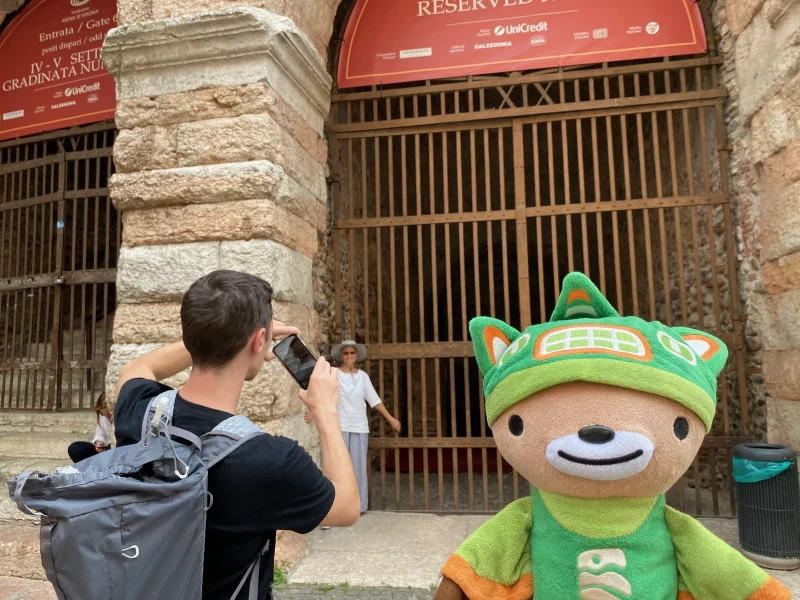
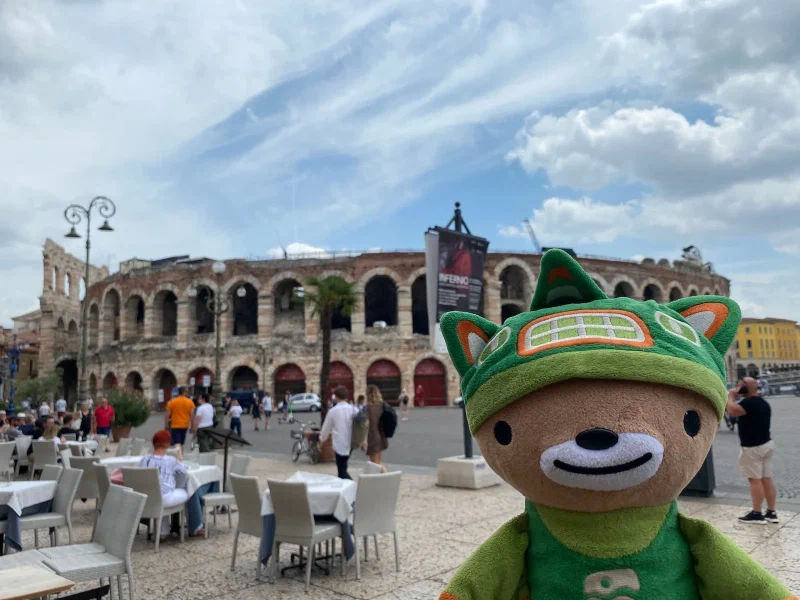
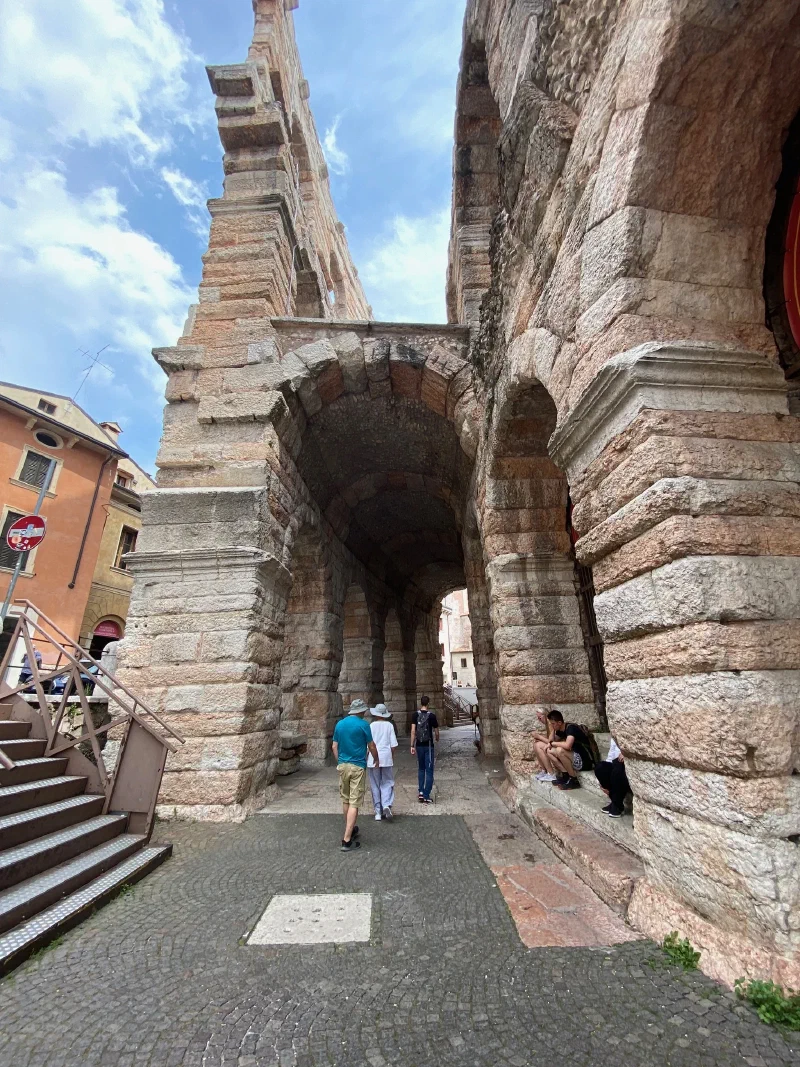
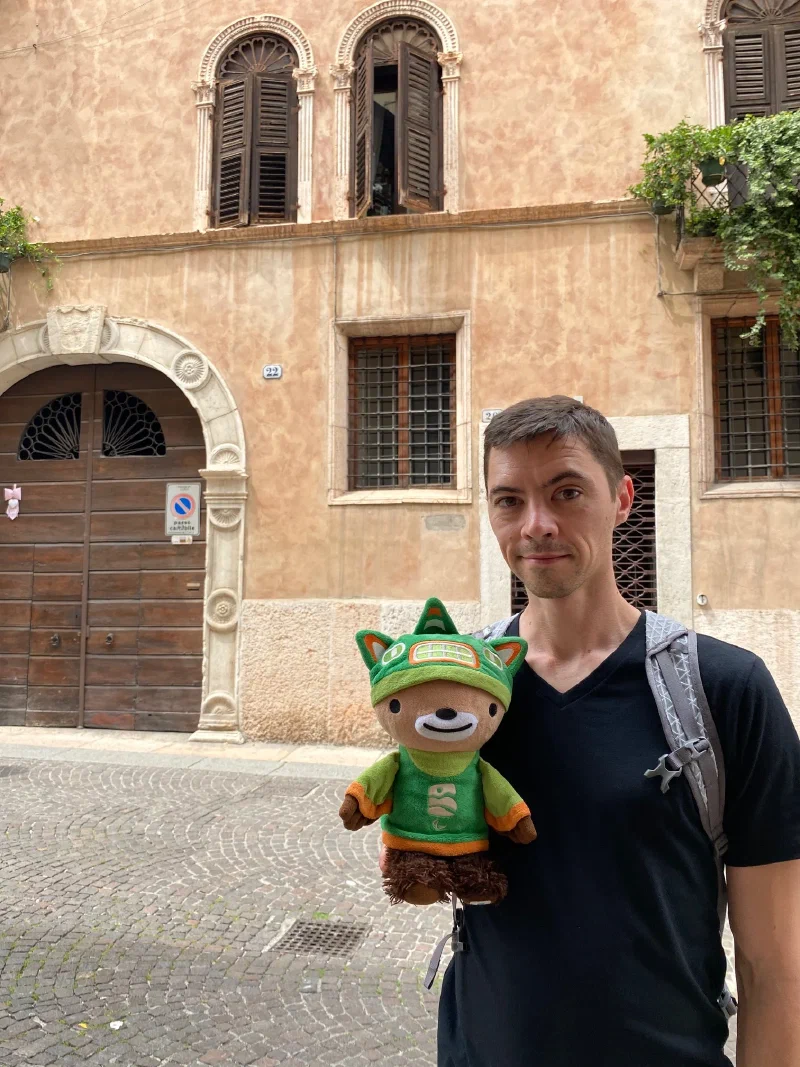
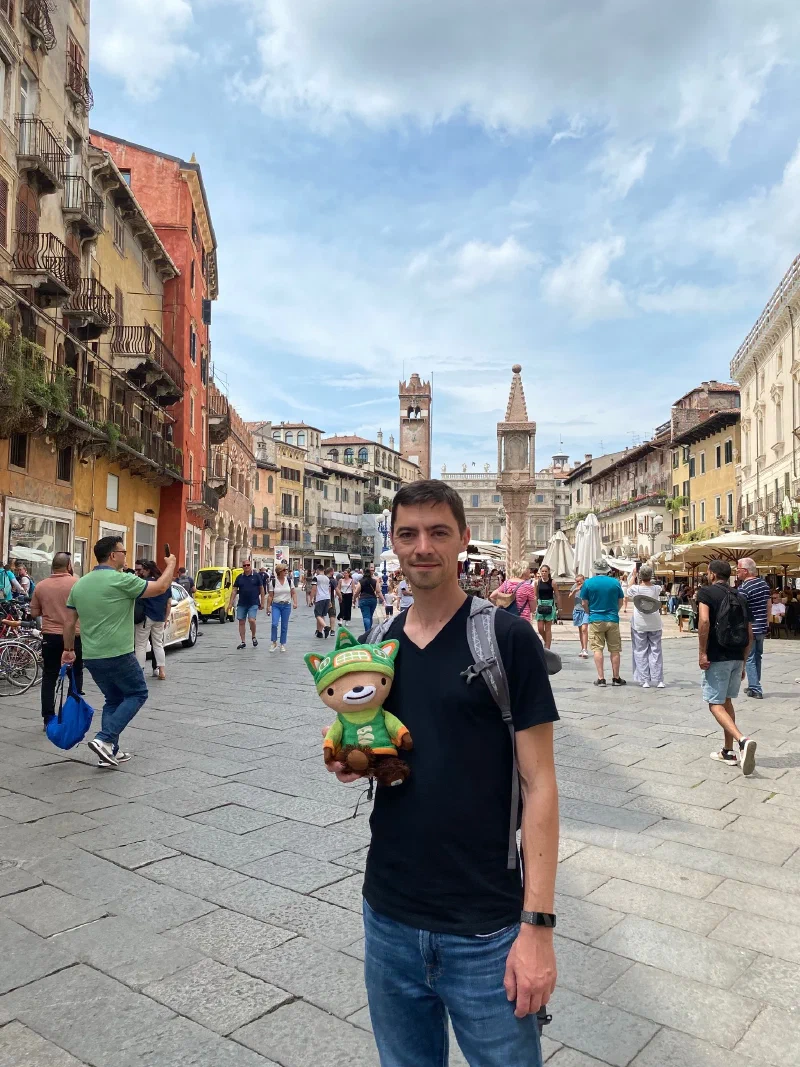
Verona is now in the Veneto region of Italy, and we could start to see the transition away from more German influences towards Roman and Italian. Verona is most famous for being the setting for Shakespeare’s Romeo and Juliet. There’s also a roman amphitheatre which I was eager to see, called the Verona Arena. Naturally, a question I had was what on earth is the difference between an arena, a colosseum, and an amphitheaters? I can’t say I really know, other than it seems like there is only one Colosseum – the one in Rome. Turns out the Verona Arena is older than the Colosseum, and was used as a practice ground. It was built in 30 AD and is one of the oldest structures remaining.
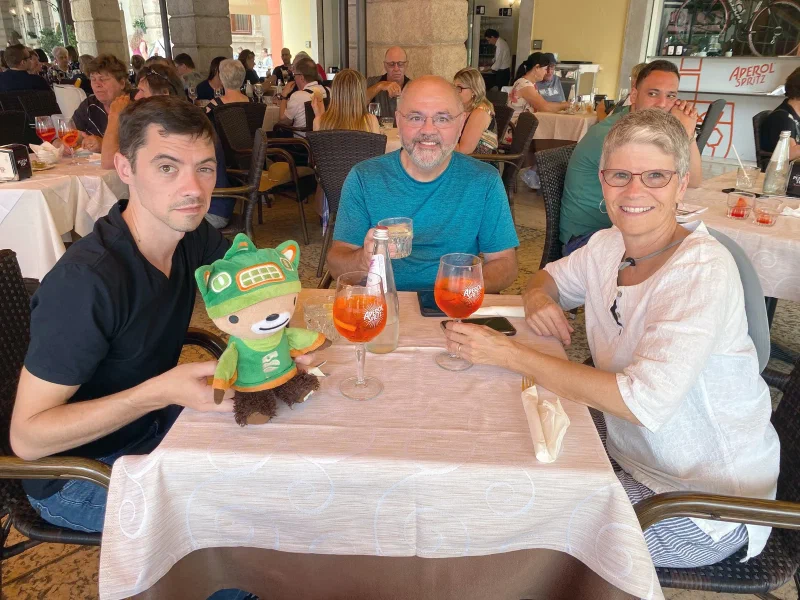
Since we were going to see the Colosseum later, we decided not to go in, but we did camp out across the Arena to enjoy some aperol spritzes.
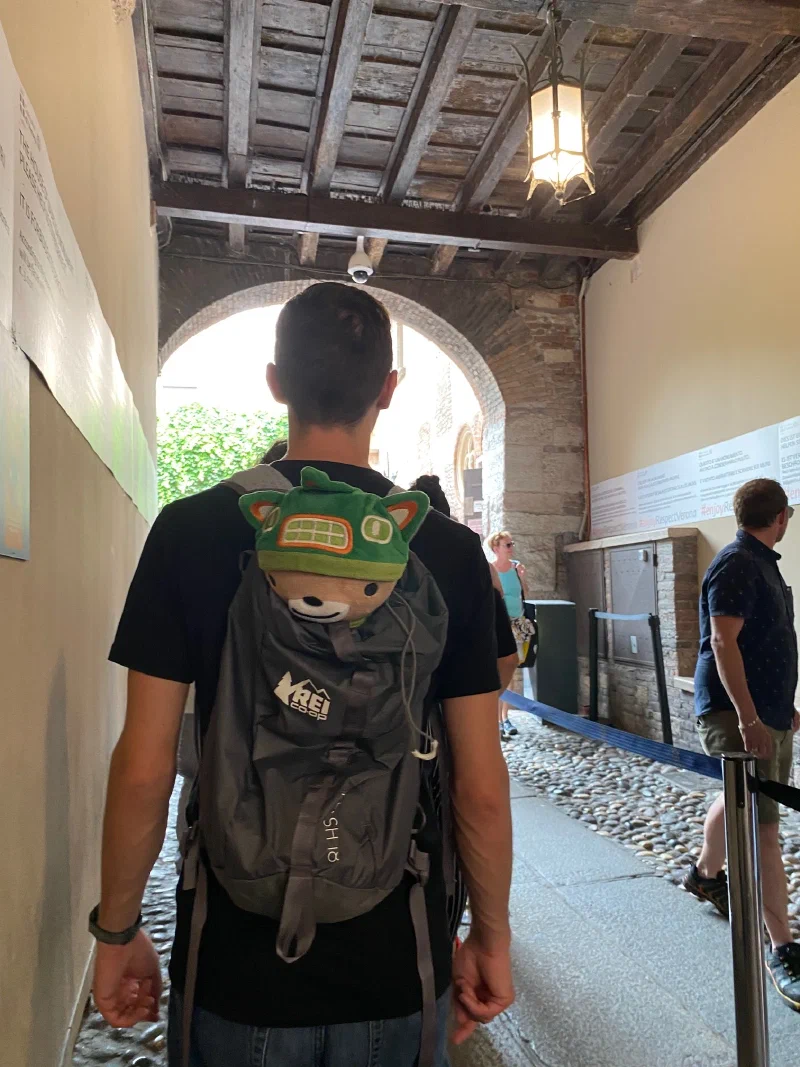
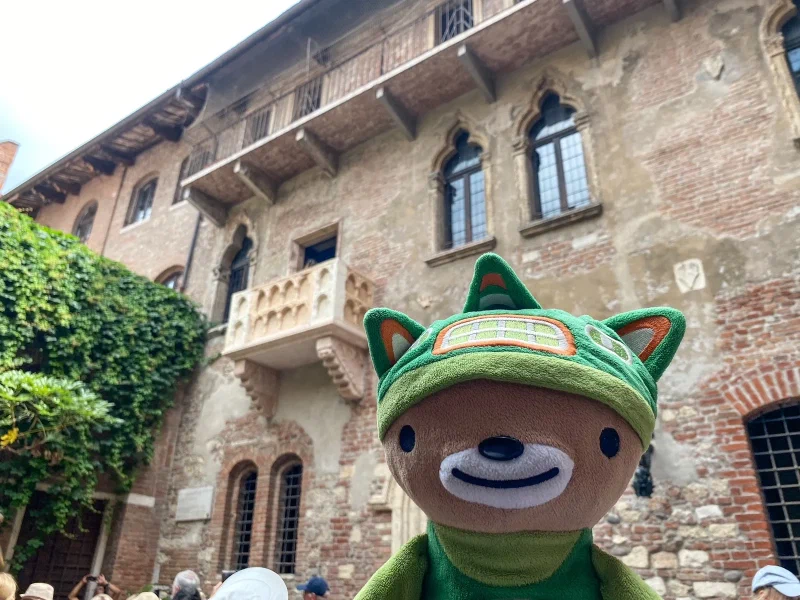
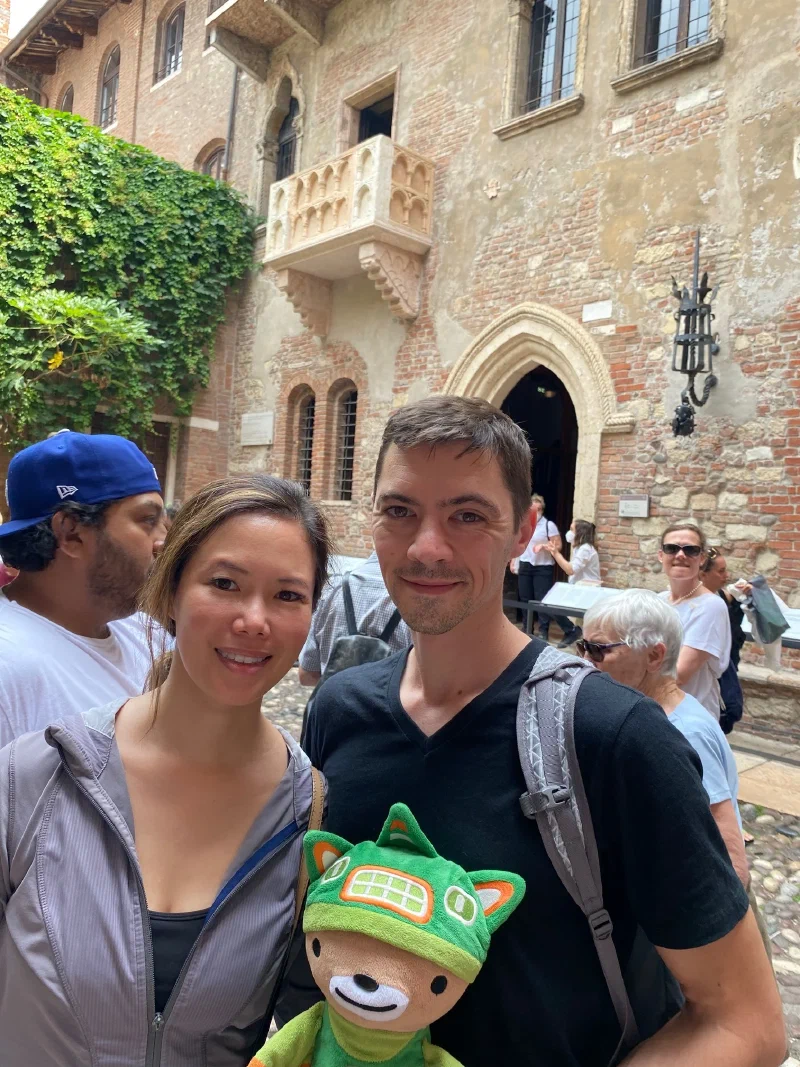
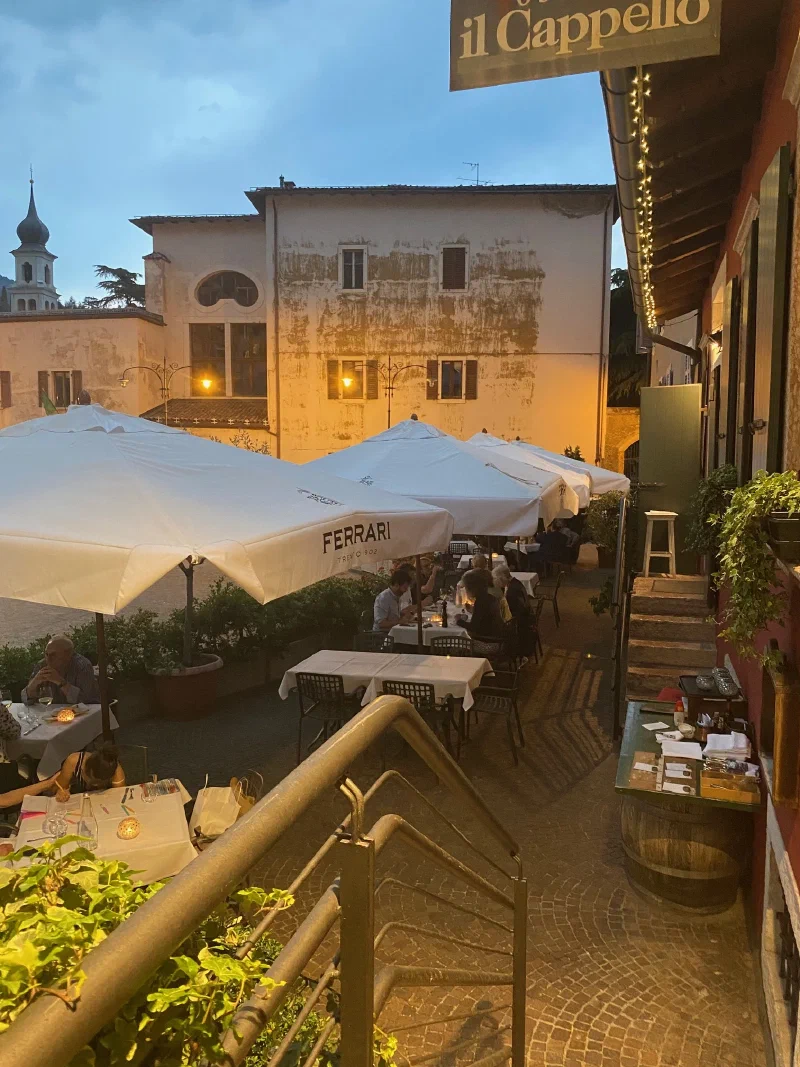
After lunch, we went to look for La Casa di Giulietta, which is the home of Cappello family and the inspiration for Romeo and Juliet (hence Juliet’s balcony). It was pretty crowded and touristy so we didn’t spend so much time there, but had to see it.
The next morning we got up, had our respective breakfasts, and went off to get the rental car.
It’s not a long drive, our destination was just a couple hours south in Trento where we would relax, spend the afternoon as a staging ground so we can start the next day bright and early.
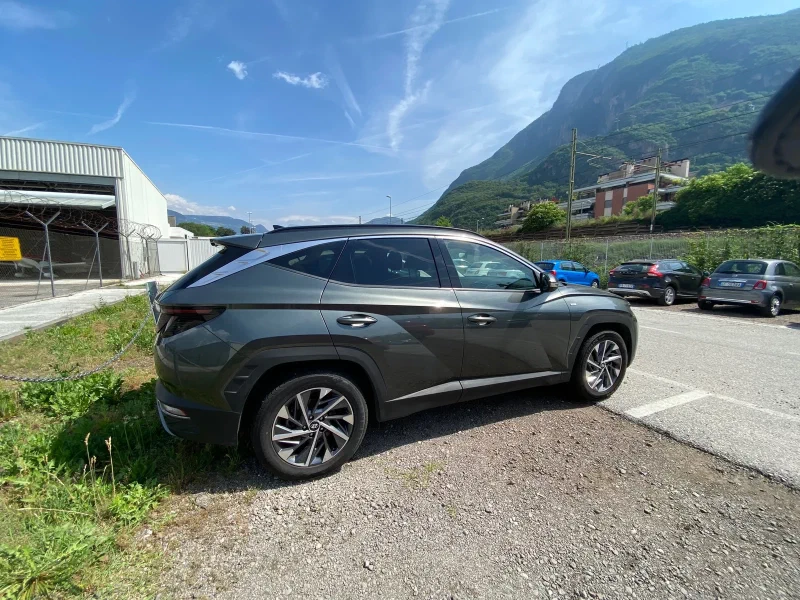
It was a tough balance, trying to find the right rental car as we needed one that could fit everything, but not so big we had to deal with difficulty parking. It’s because of the car too that we specifically had to find hotels that had parking, preferably free.
Car acquired, time to hit the road!
Trento is the third largest Italian town in South Tyrol, and also a university town. We got settled in, wandered around town went out for dinner before starting on our trip tradition - to hunt down gelato every night.
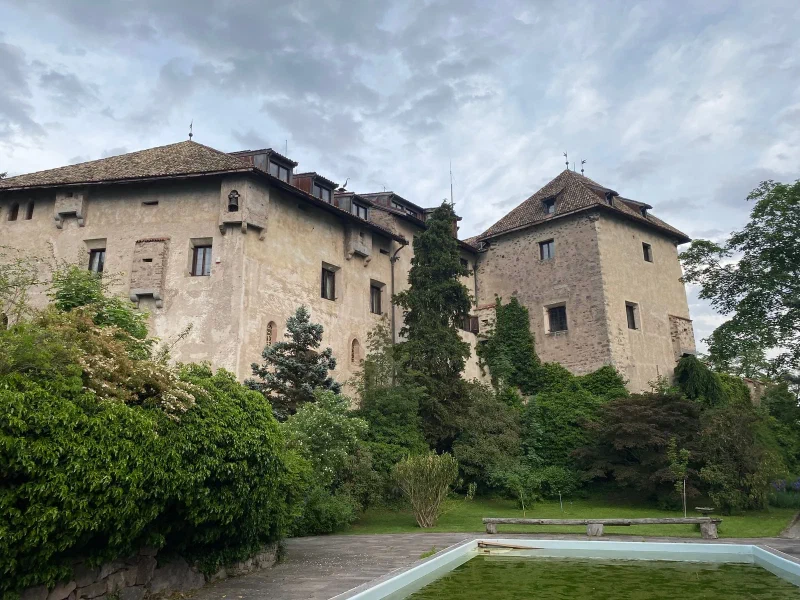
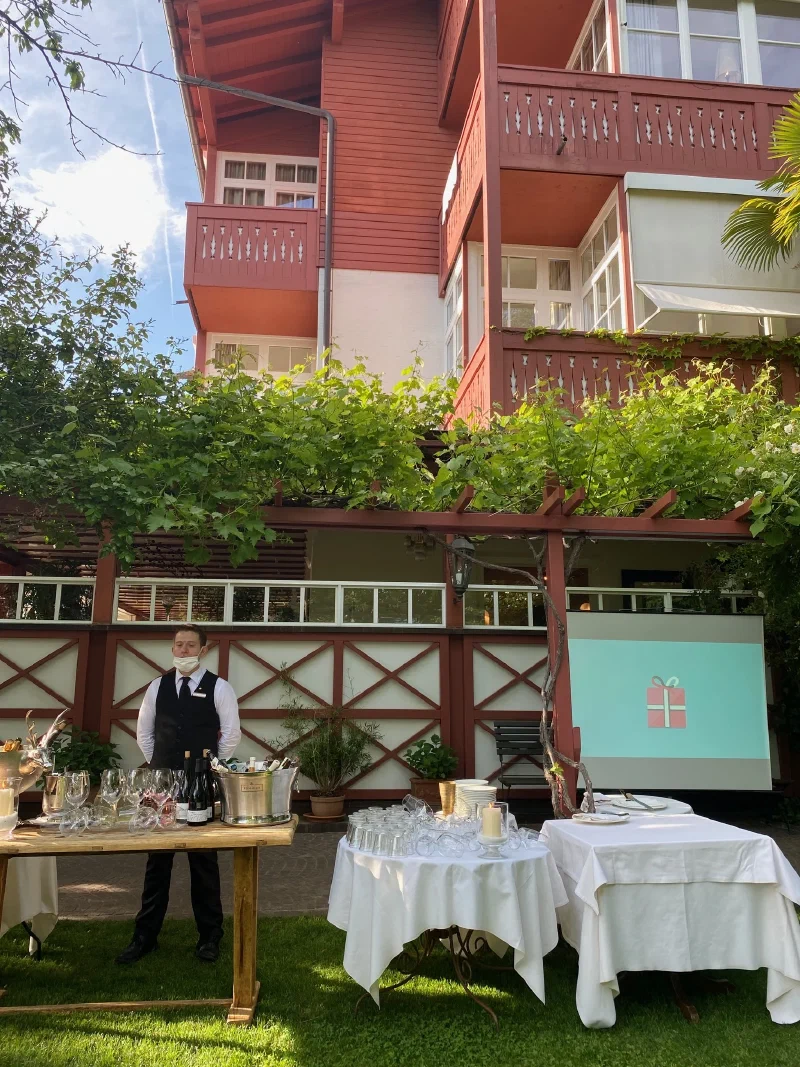
After a very relaxing stay at Castel Frasburg and a memorable birthday celebration with our friends, it was time to wave goodbye, and head over to Bolzano to meet up with my bud’s parents.
My bud’s dad and his wife Jane had always wanted to explore Italy, so as a treat since we were there already we decided to road trip from Northern Italy down through Tuscany over to Rome.
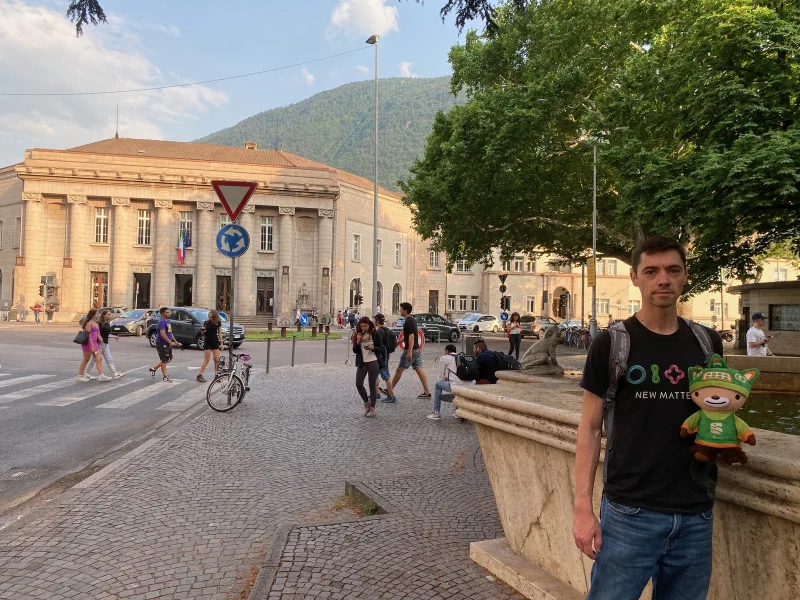
First stop, Bolzano.
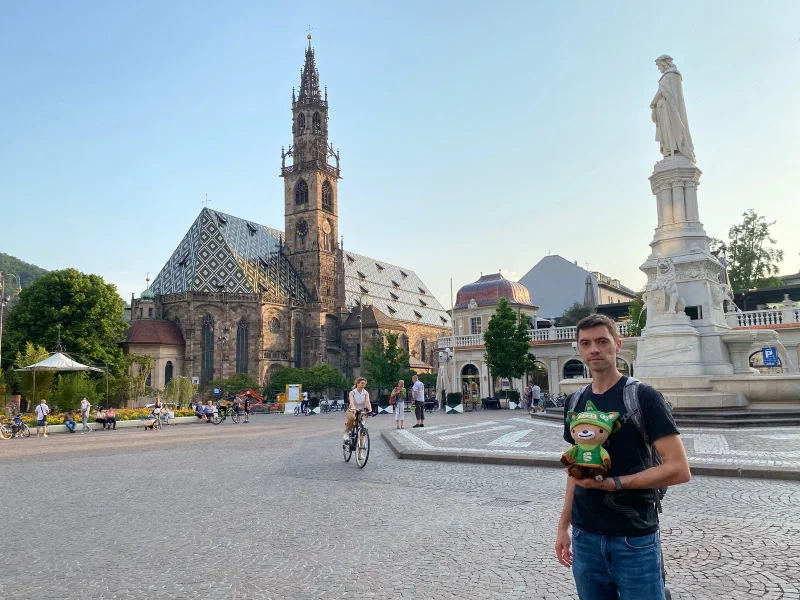
Bolzano is the capital city of South Tyrol in Northern Italy. It’s also a region known for it’s high quality of life.
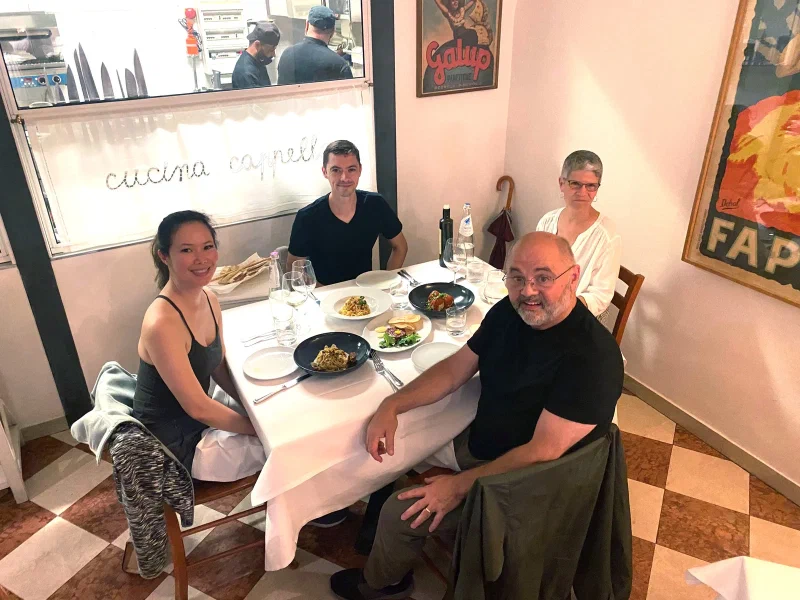
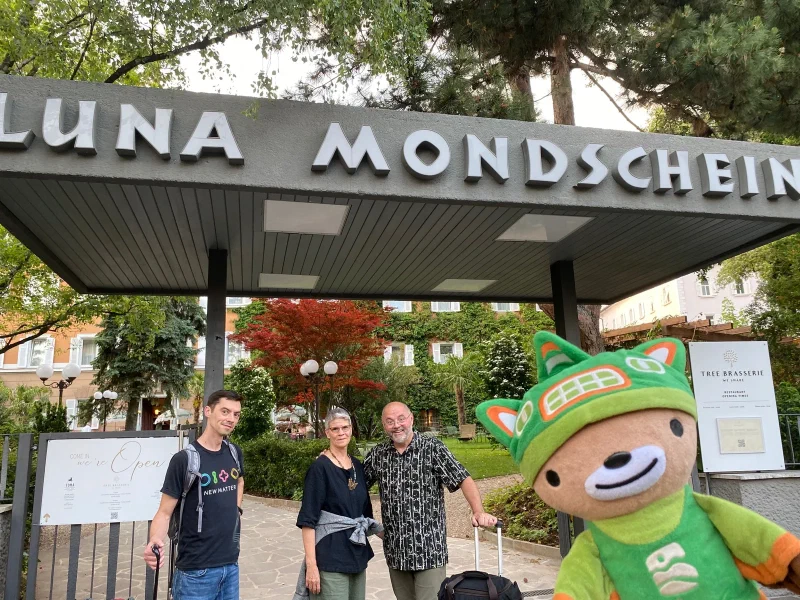
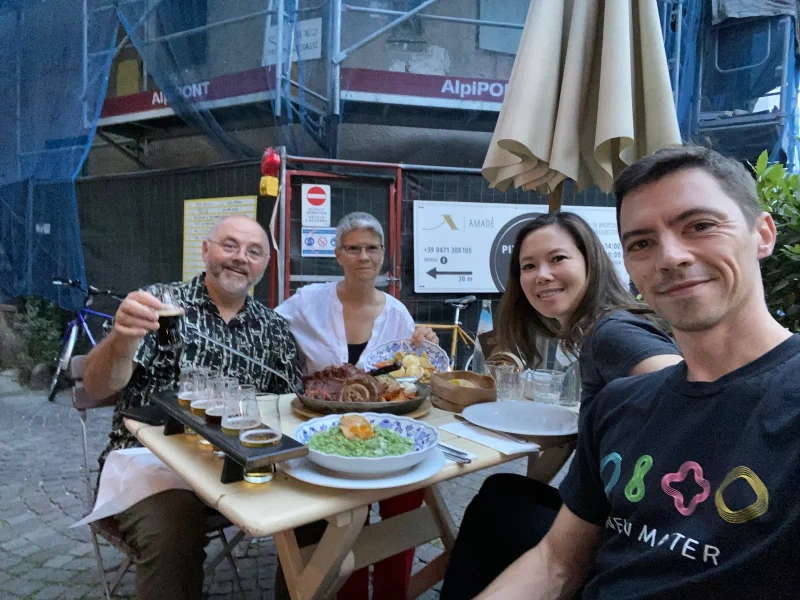
We went to the train station to pick up my bud’s dad Bob and his wife Jane, had a Bavarian style dinner of meats and sausages, and retired in preparation for our road trip!
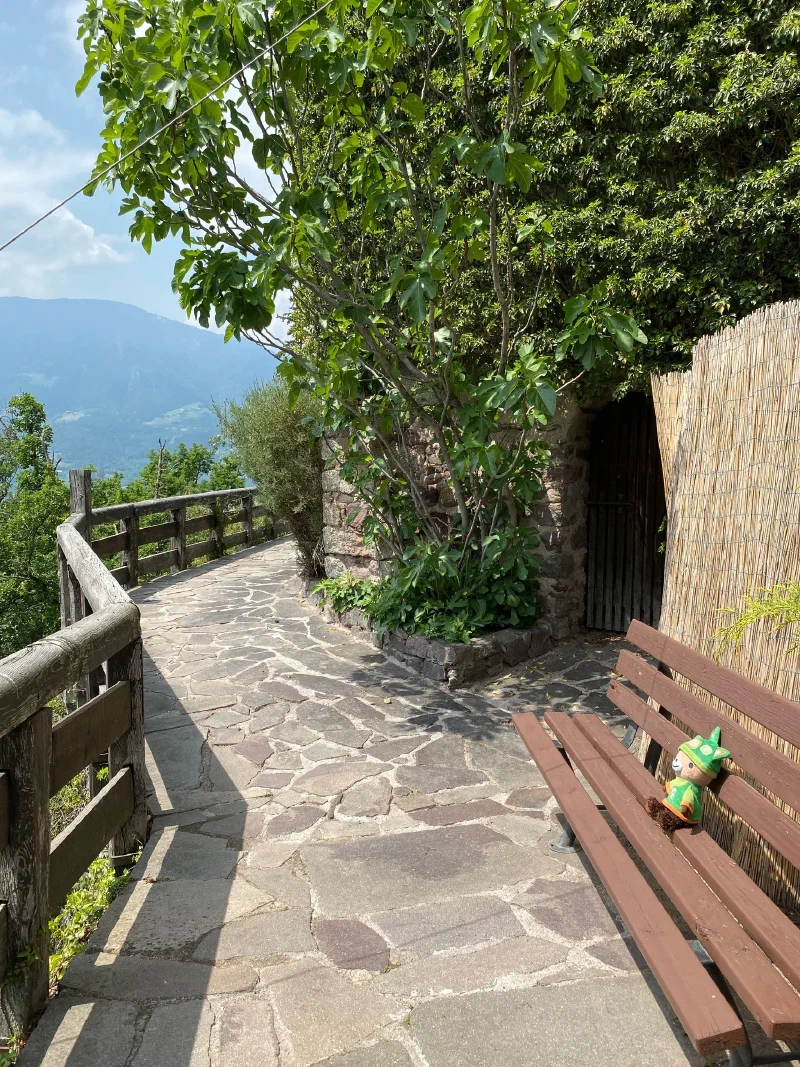
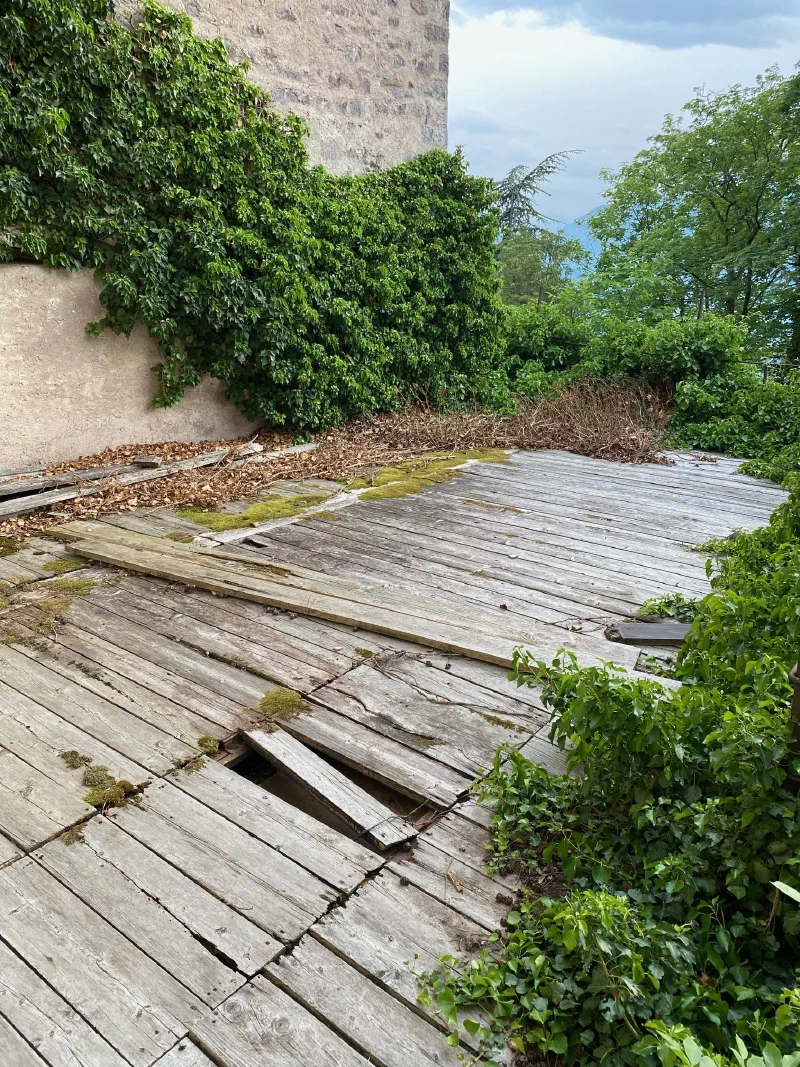
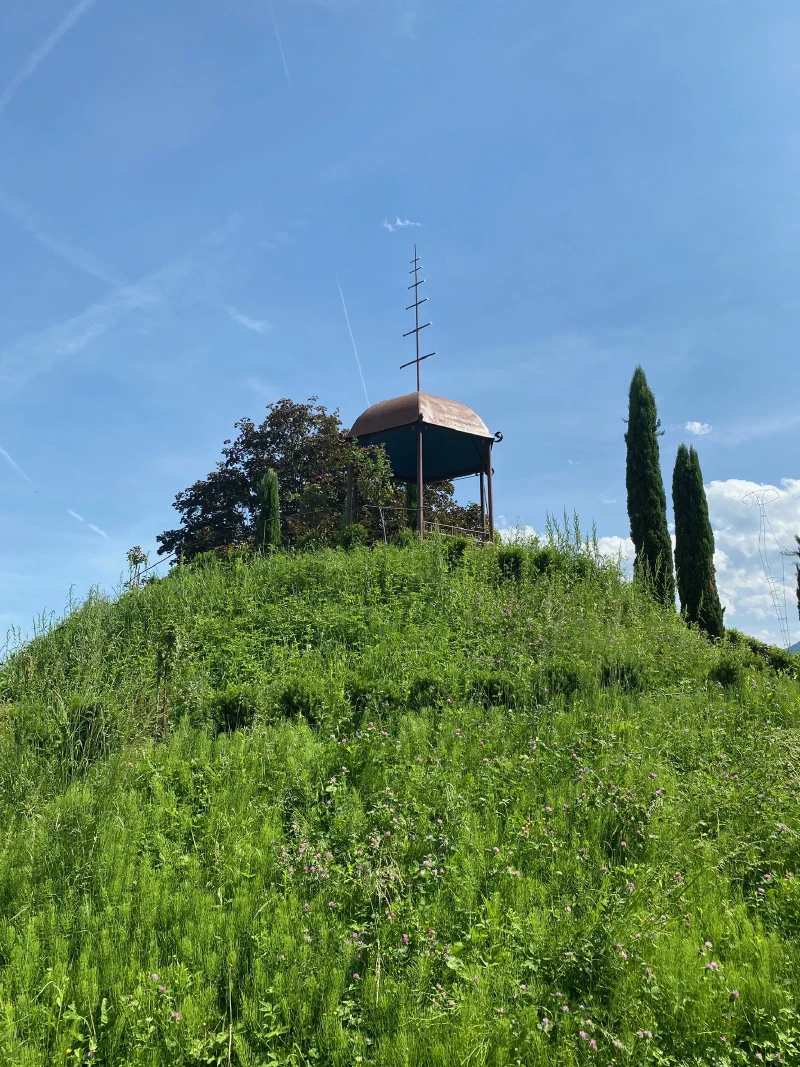
Situated above Castel Frasburg was the original castle. Or maybe it was some sort of hunting lodge. Well we were determined to explore it.
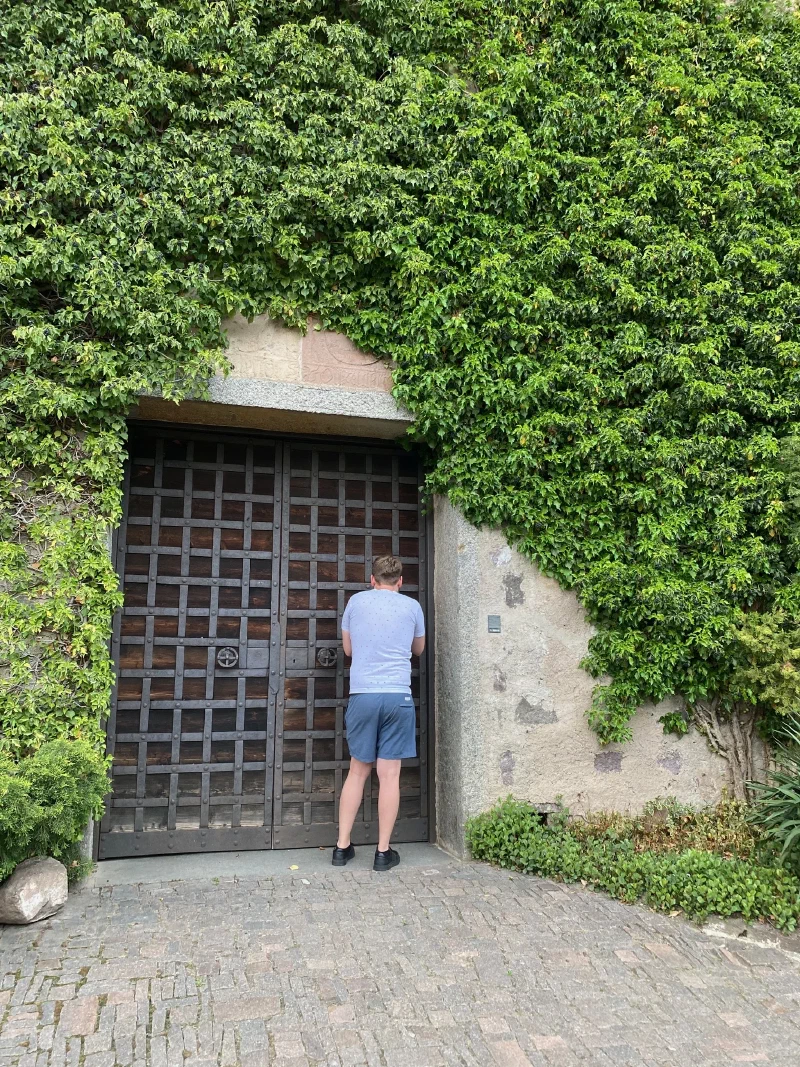
So up the trail we went. It’s definitely less maintained. Fascinating exploring. After wandering the grounds, we noticed an unlatched door and decided to go in –
That is until we saw the ceiling full of scorpions and promptly booked it back down.
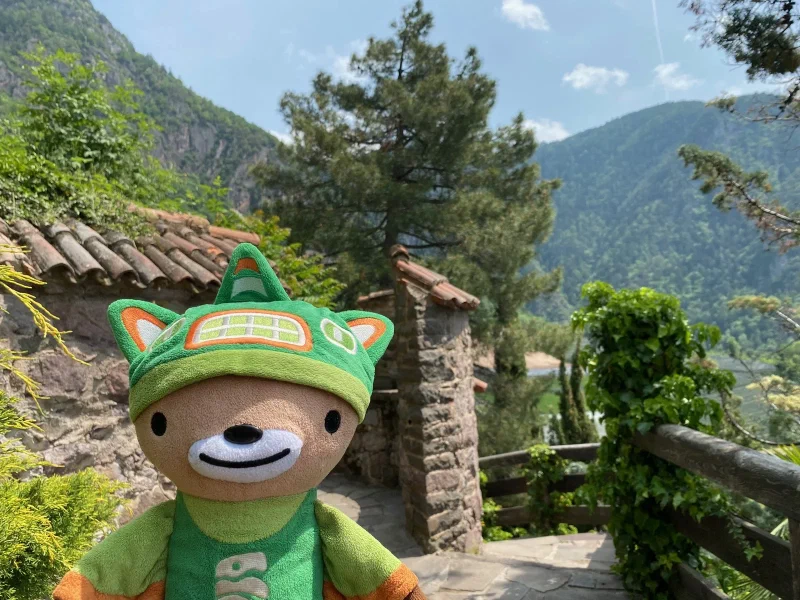
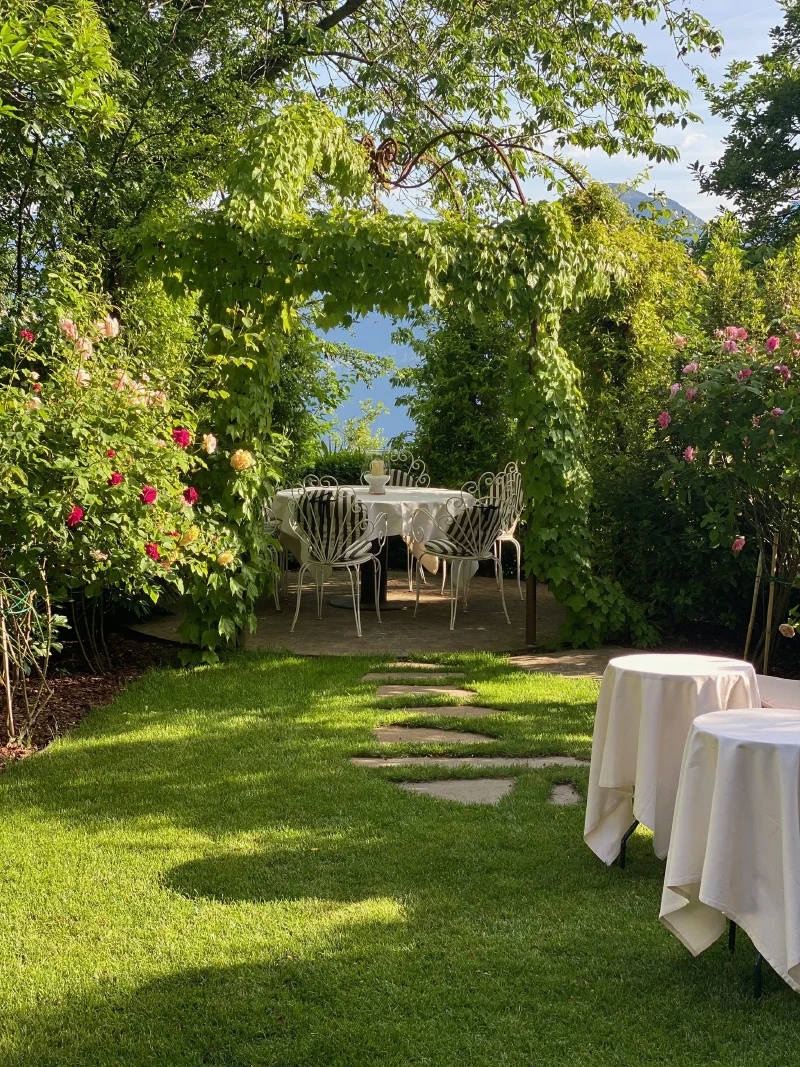
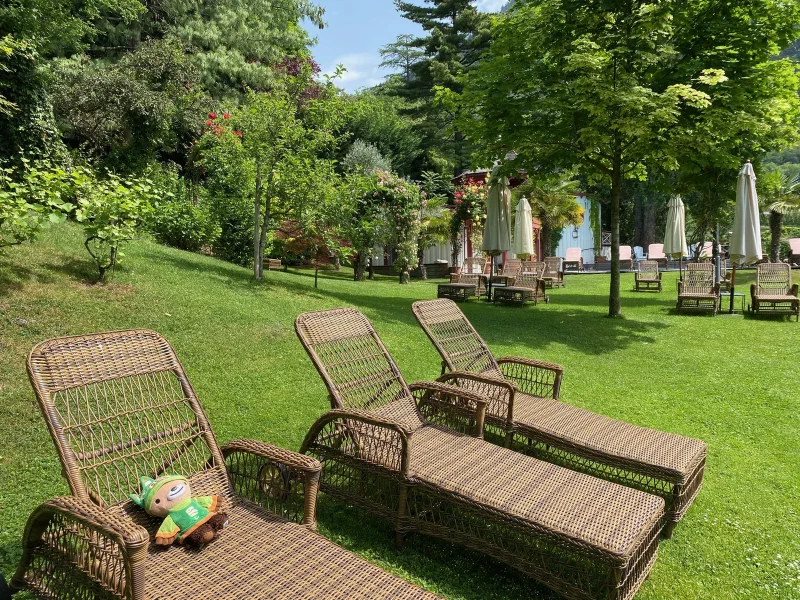
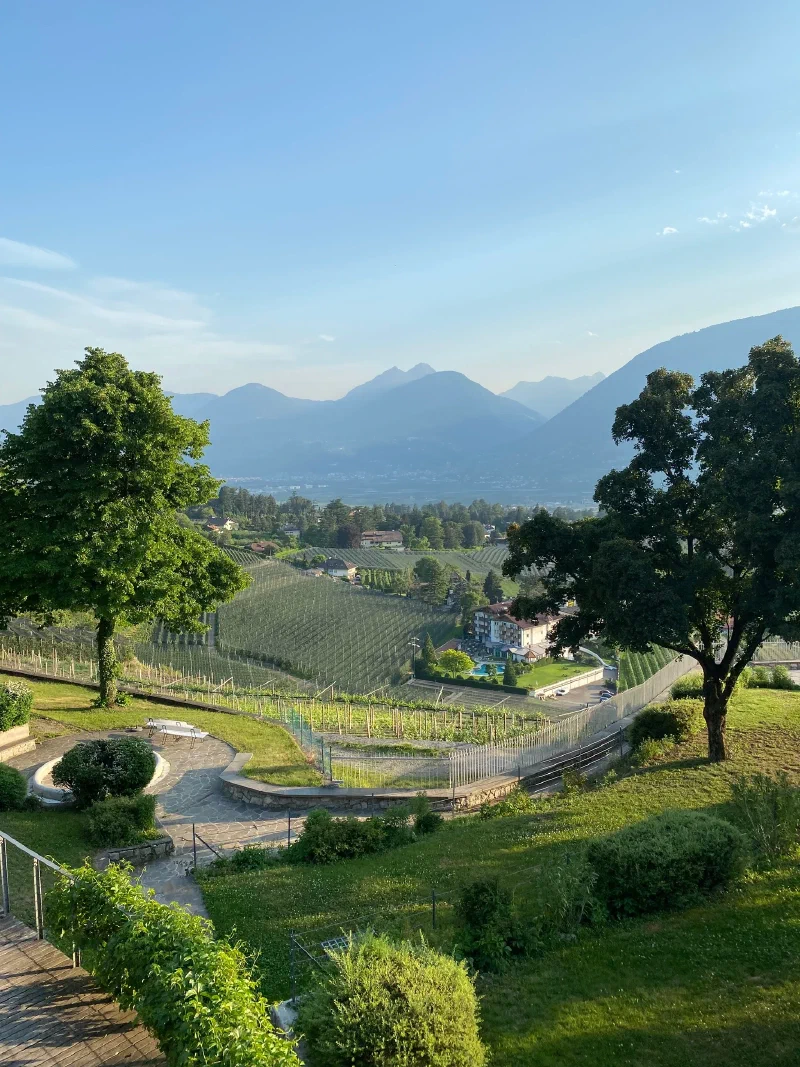
The grounds around Castel Frasburg seem much nicer after all.
Much nicer.
It’s pretty nice here. I wish my bud would get me a castle.